An accessory-first approach to personal style
UniqueYou began in 2014 with scarves and clothing. Its history includes a pause and a return after the domain was recovered, so the date is a point of origin rather than a claim of uninterrupted trading. The original brown wordmark, horse motif and “Since 2014” detail give the brand a recognizable identity; a neutral taupe palette keeps the presentation understated. For a shopper, the more useful idea behind that identity is straightforward: choose an elegant accessory that can join the clothes you already own.
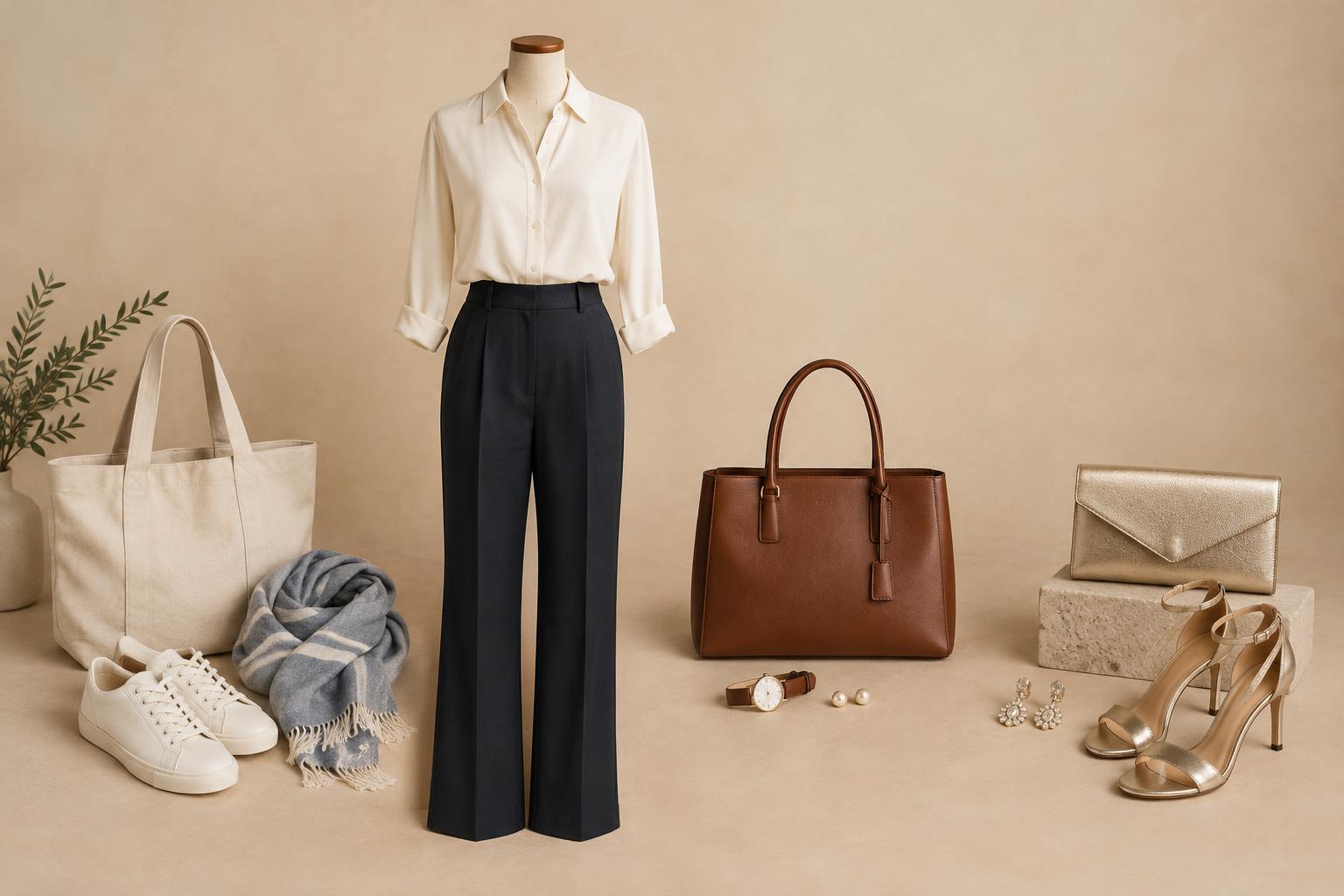
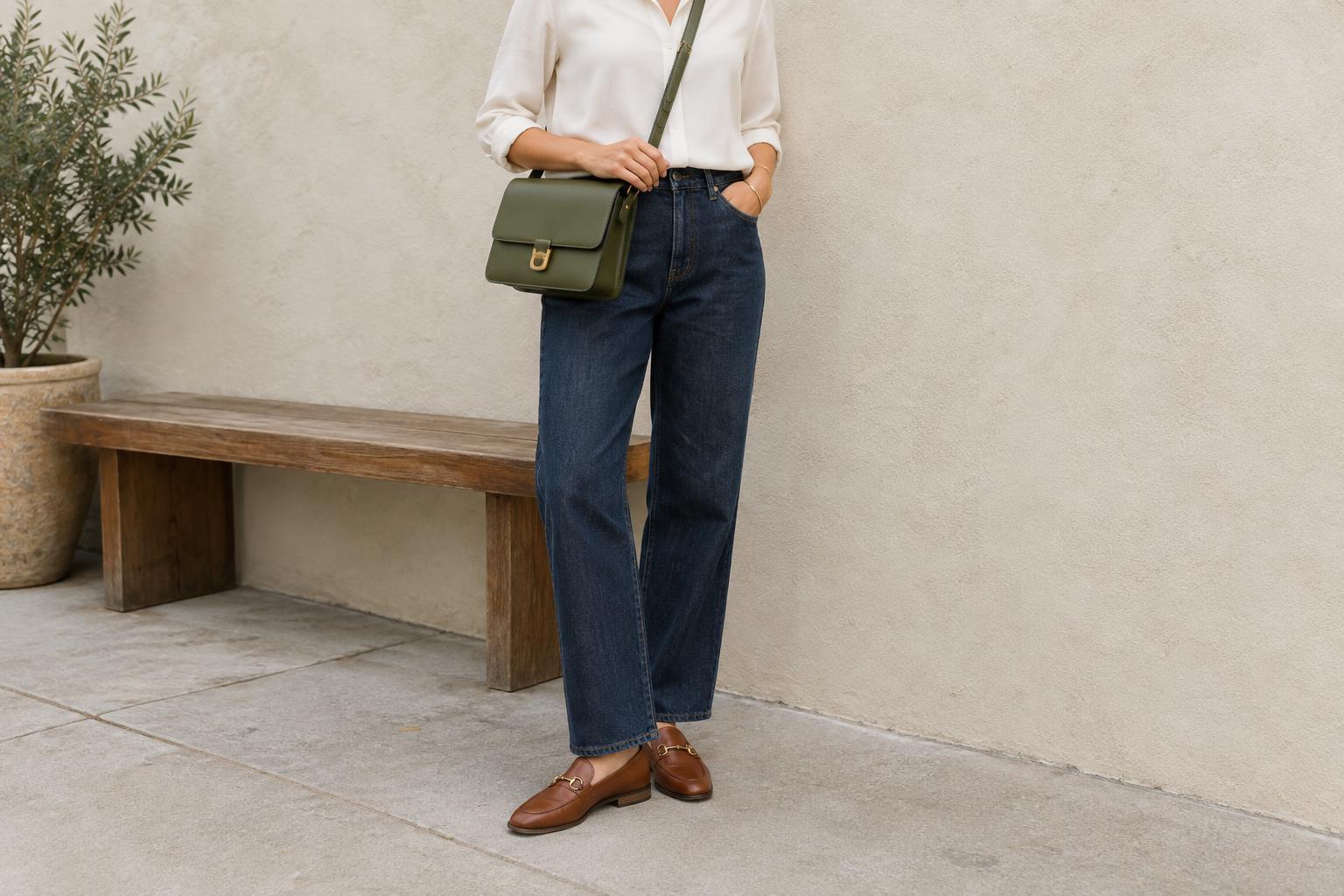
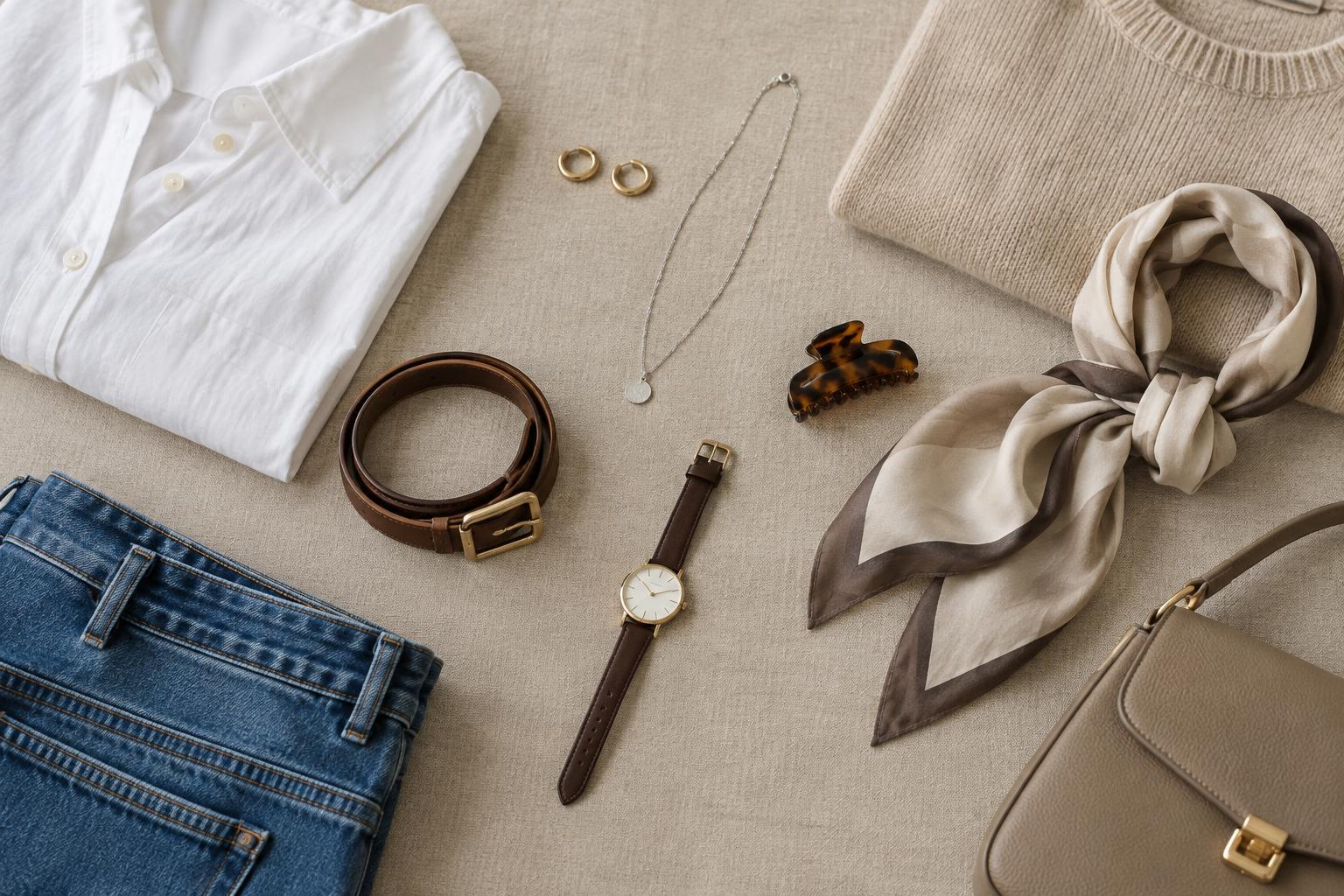
Think about the garments you reach for on an ordinary week. Perhaps your coat is dark, your work shirts are pale, and your favorite knit has a warm beige cast. A scarf that relates to two of those pieces will probably earn more outings than one that only works with an imagined new outfit. This is an achievable way to refresh a look: keep the reliable foundation, then change its color, texture or line at the neckline.
Start with the job, then choose the shape
“Scarf” is a broad term, so begin with how you want to wear one. A long scarf can hang vertically to create a clean line over a coat, loop around the neck, or sit loosely over a sweater. A shawl or wrap gives you more fabric across the shoulders and may suit an outfit that needs an additional layer. A square scarf can be folded into a narrow band, tied at the neck or used as a small accent. These are styling possibilities, not rules about a particular item’s dimensions.
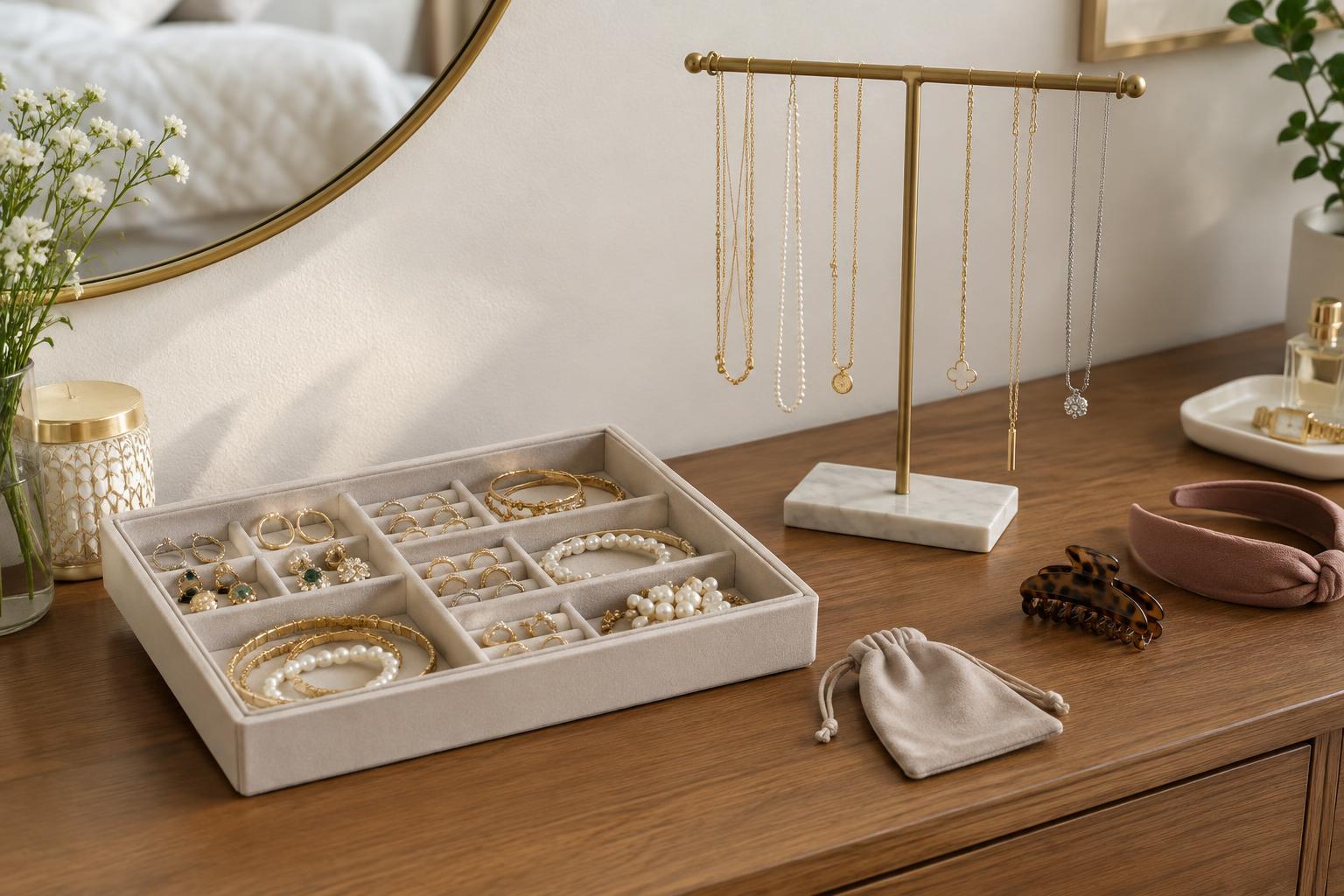
Before choosing, picture the setting and the rest of your clothing. A generous shape may be welcome over a simple dress but compete with a jacket that already has a large collar. A compact square can add pattern near the face while leaving a blazer’s lapels visible. If you often carry a bag with prominent hardware or wear substantial earrings, consider whether you want the scarf to lead the look or quietly support those details.
Read material names as a starting point, not a guarantee
Silk, cashmere and wool are useful category names, but a category label alone does not tell you the exact composition, weight or feel of every scarf within it. Composition varies by product. Look at the individual product information when fiber content matters to you, and check dimensions and care instructions rather than assuming that two pieces in the same category will behave alike. The photographs can help you judge appearance, but they cannot replace the listed details.
A light-looking scarf may be easier to arrange in a small knot, while a more substantial-looking one can add visual weight to a coat. Those are observations about styling, not promises about warmth or comfort. If you are buying for a specific season, decide whether you need coverage, an easy-to-pack accent or a piece that sits neatly under outerwear. Then compare the relevant product details with that practical requirement.
Build a color bridge to the wardrobe you own
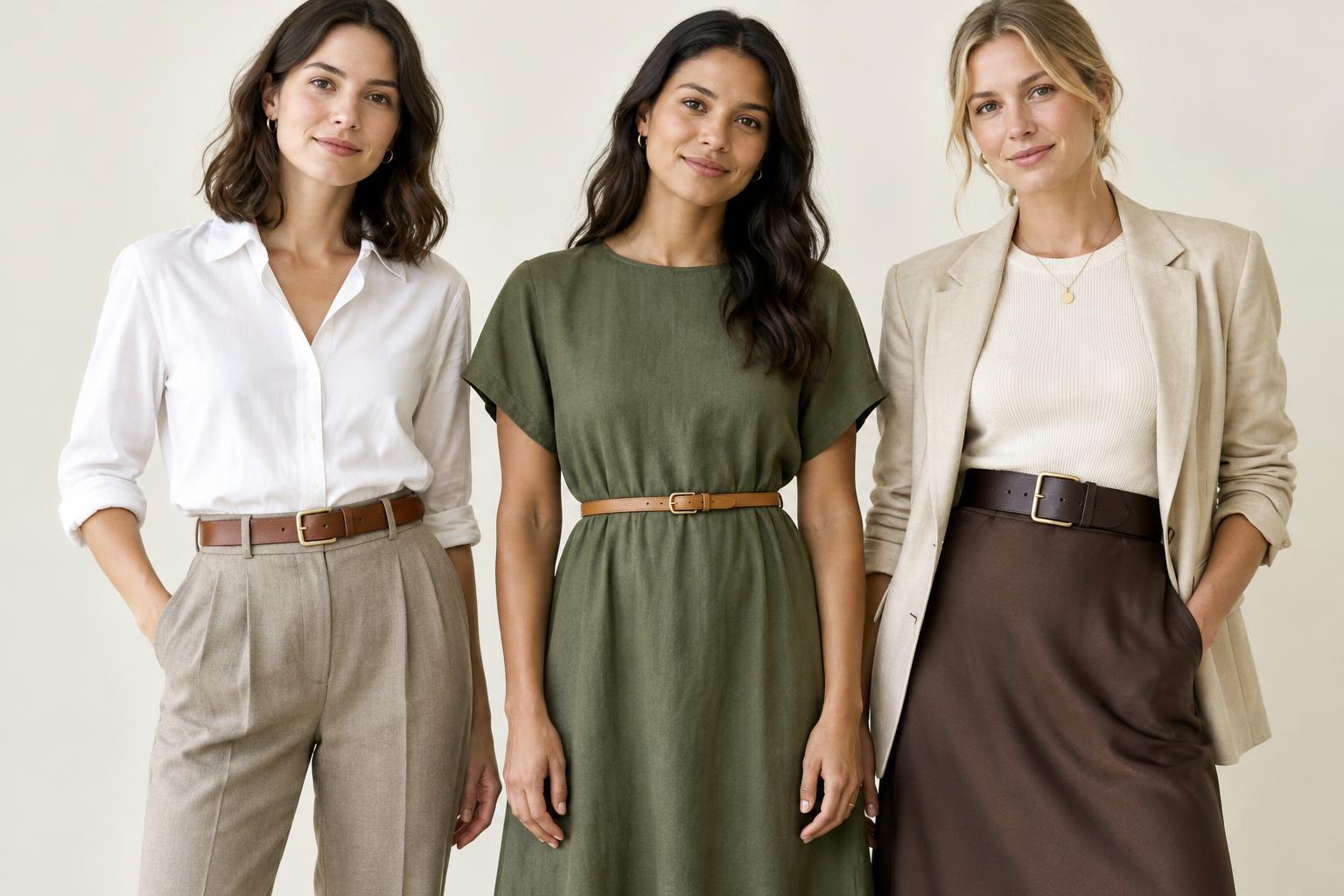
A useful scarf color does not have to match your coat exactly. It can repeat the color of a shoe, pick up a small shade in a printed blouse, or introduce a related tone between two neutrals. If most of your wardrobe is black, navy and gray, a clear color can bring energy without replacing the basics. If you wear many warm browns and creams, a softer neighboring shade may feel more integrated. Try comparing a candidate with three pieces you actually wear, not just with one outfit you hope to assemble later.
Pattern changes the calculation. A patterned square can act as the connecting piece when it contains several wardrobe colors, while a solid scarf can give a patterned jacket some breathing room. Neither approach is inherently more versatile. The better choice is the one that fits your usual level of contrast and the amount of attention you want near your face. If a color seems appealing but unfamiliar, imagine it in daylight beside your everyday coat before committing.
Three simple ways to style without overworking the look
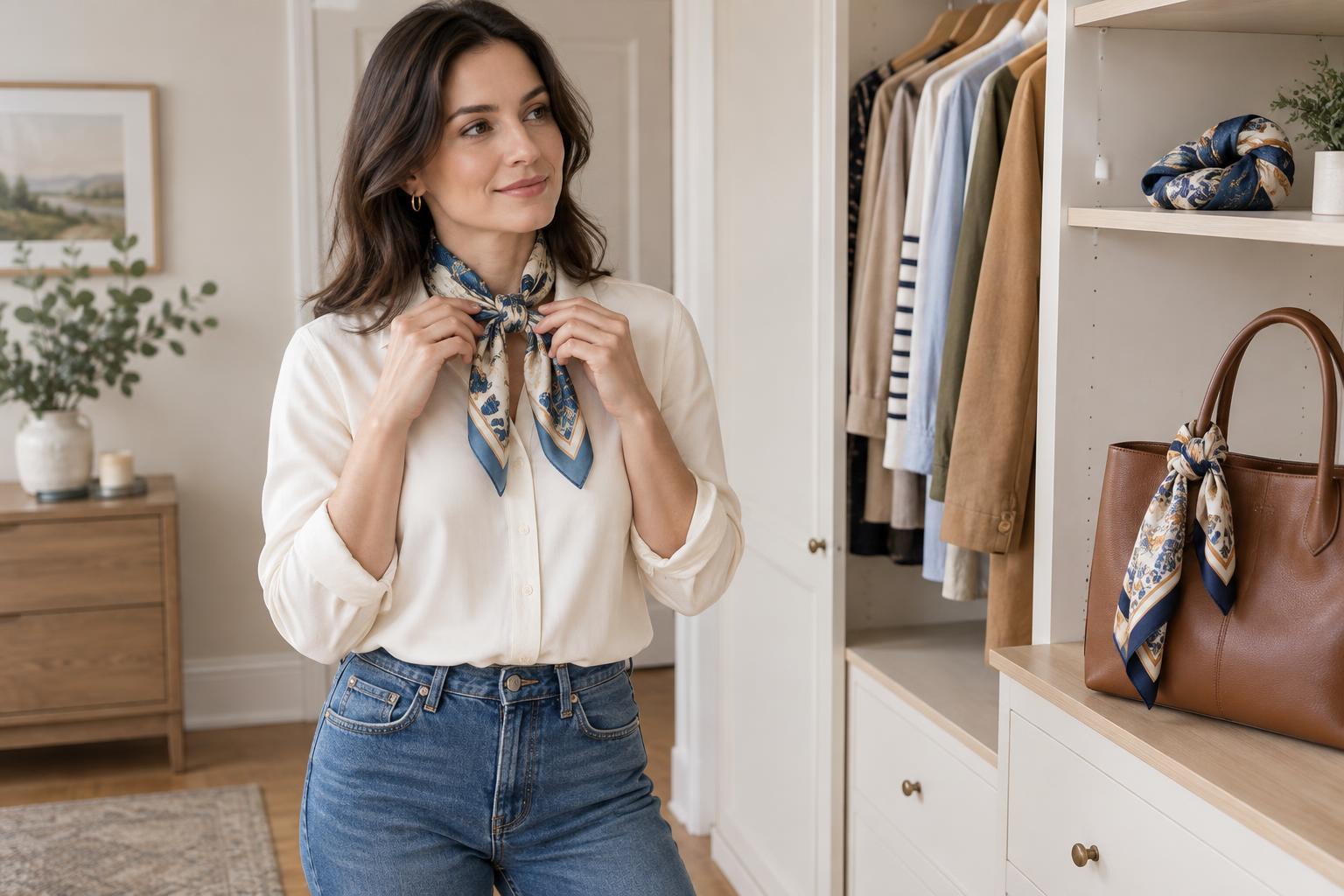
For a long scarf, let both ends fall down the front of an open coat. The result adds a vertical line and lets the coat’s shape remain visible. For a square, fold it diagonally and tie it loosely at the neck, adjusting the ends so they sit comfortably with the collar you are wearing. For a wrap, place it over the shoulders of a plain dress or top and leave enough of the garment visible to keep the outfit balanced. Each method is easy to alter once you see it in a mirror.
The useful finishing check is proportion. If the scarf, earrings and neckline all compete, simplify one of them. If the outfit feels too plain, show a little more color or pattern by loosening the fold. A scarf need not look perfectly arranged to work well; it should allow you to move, sit and go about your day without constant adjustment.
Let your existing beauty routine guide the finishing details
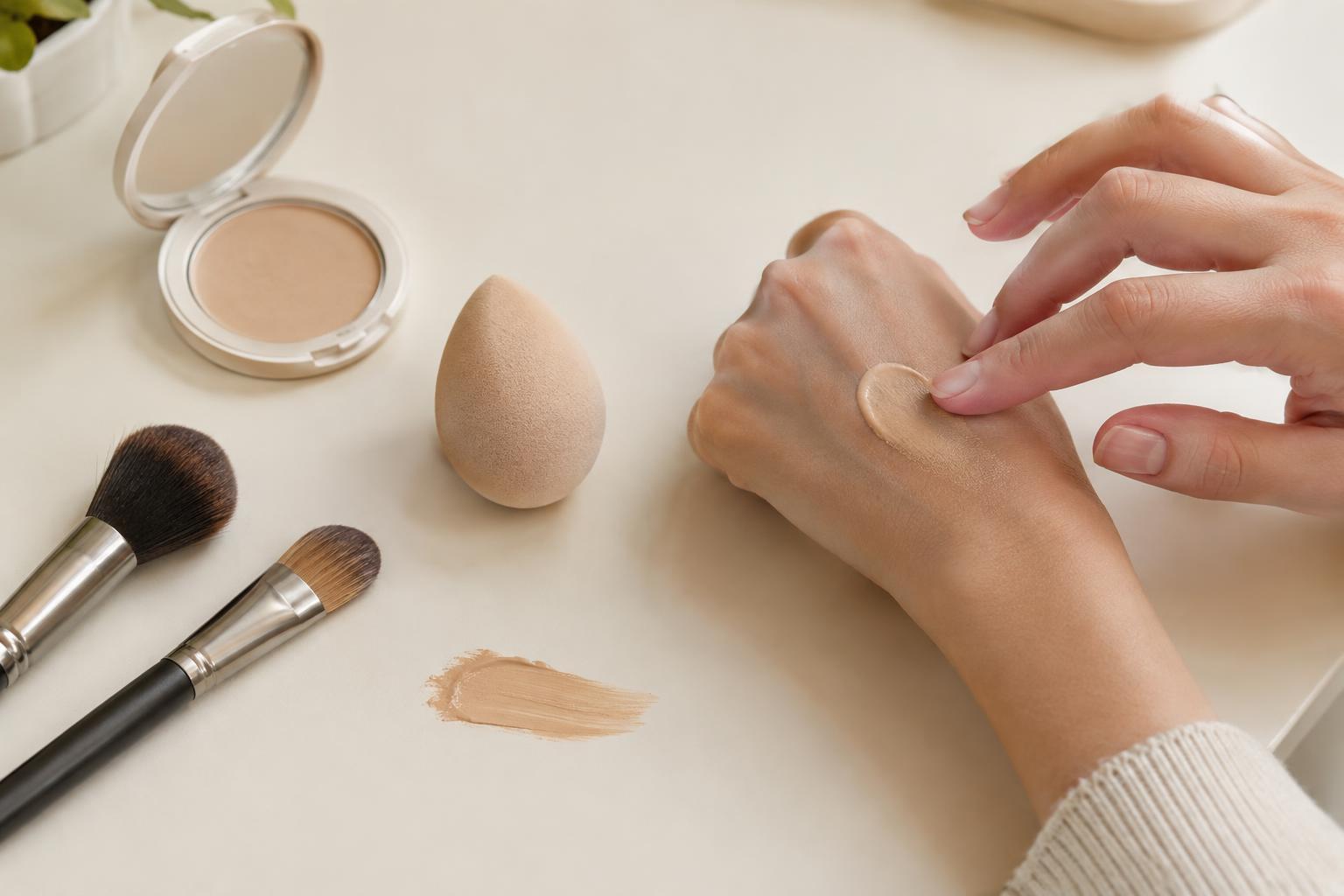
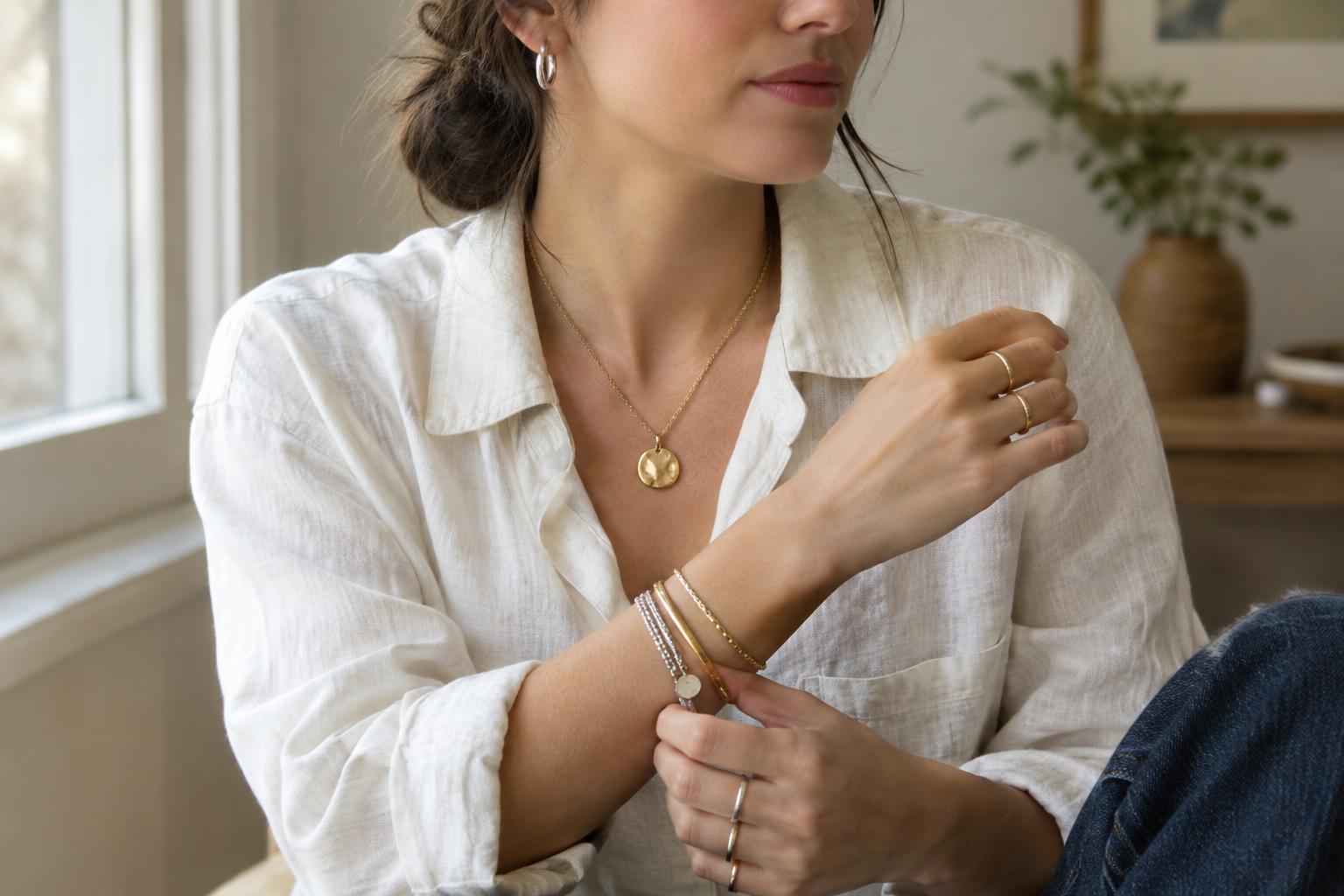
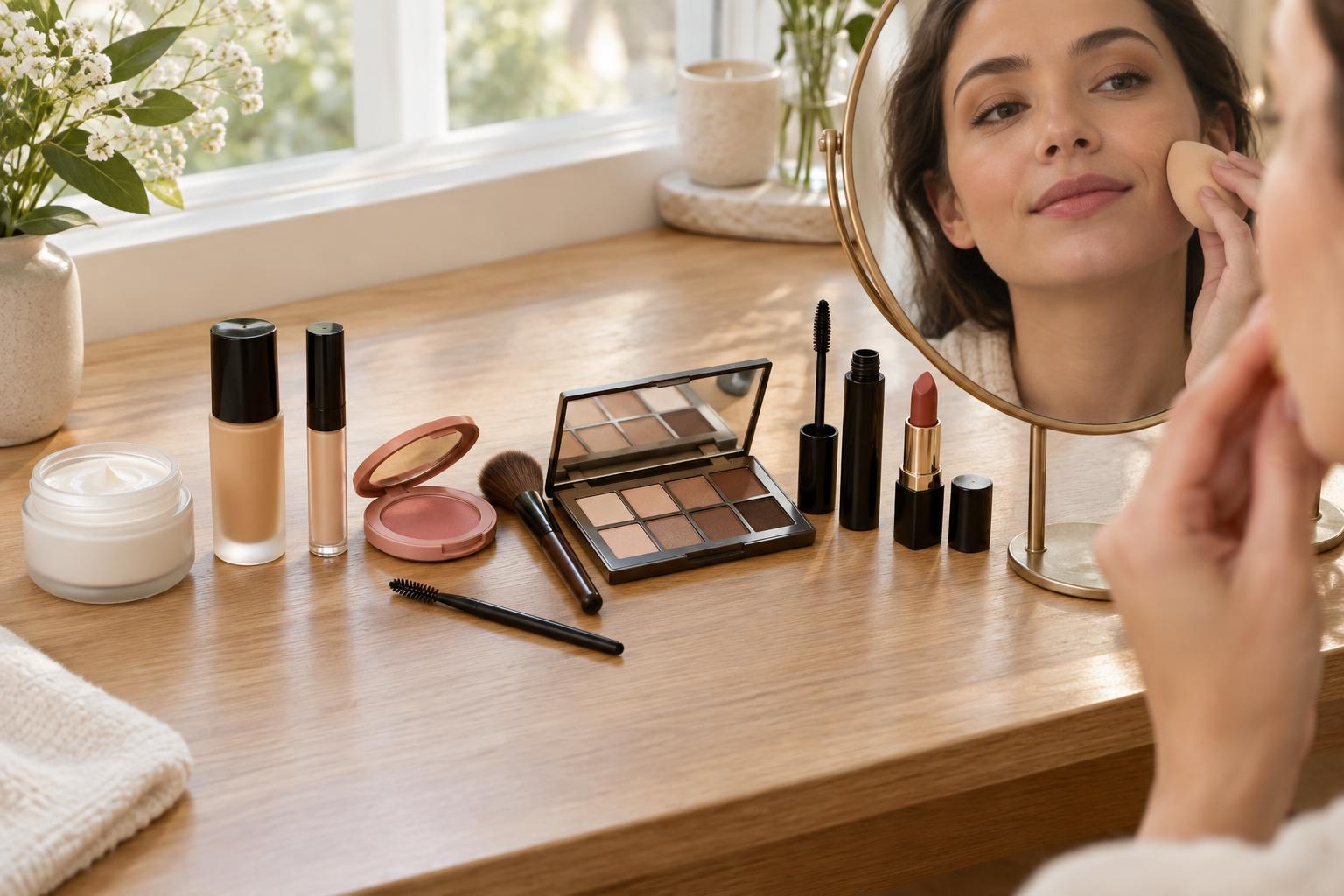
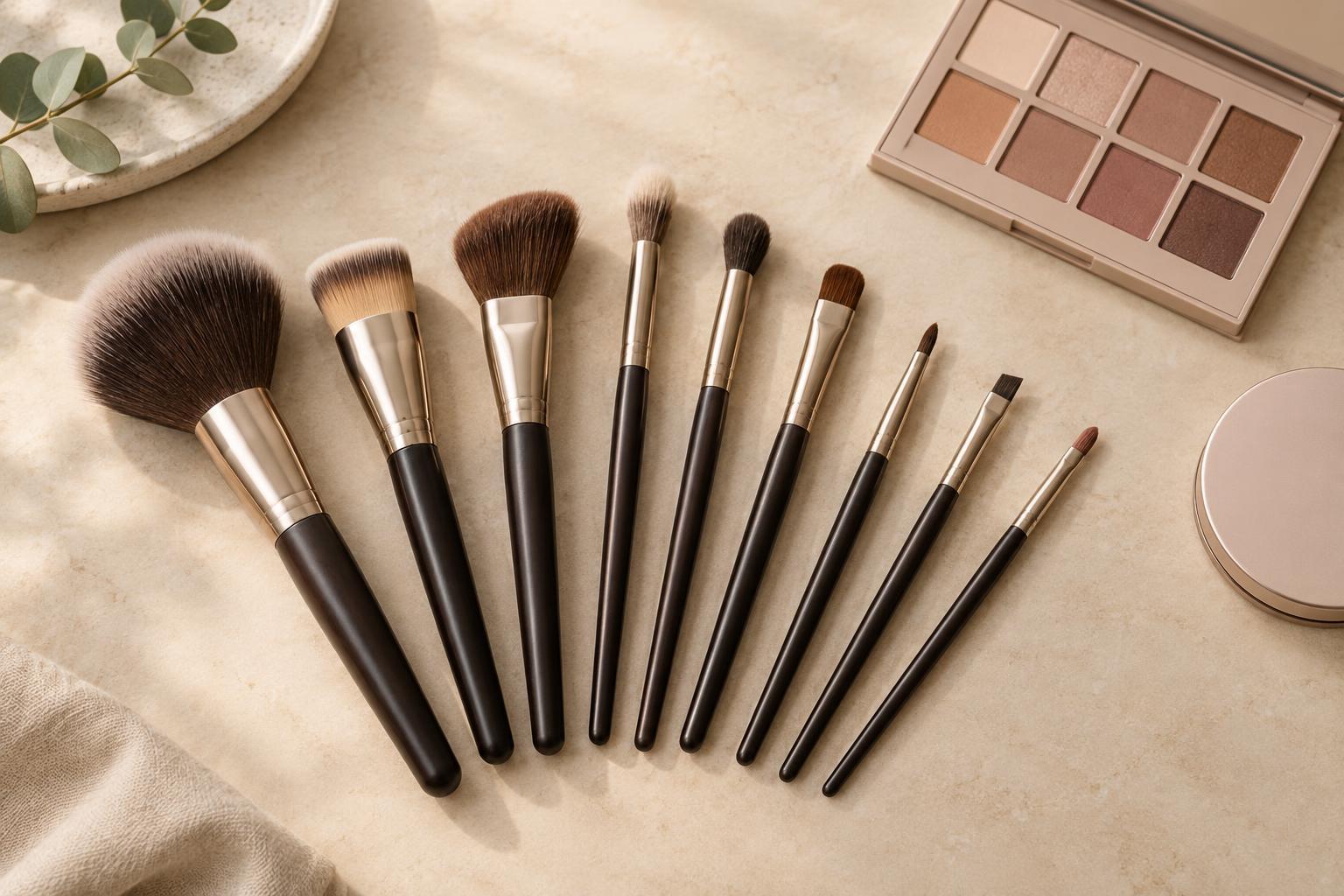
Accessories sit close to hair and makeup, so they can change how a familiar routine reads. A scarf with a strong print may provide enough visual interest alongside a simple lip color and everyday hair. A plain scarf can leave room for more defined makeup or a distinctive pair of earrings. This is a matter of visual balance, not a requirement to change the products you use or the way you apply them.
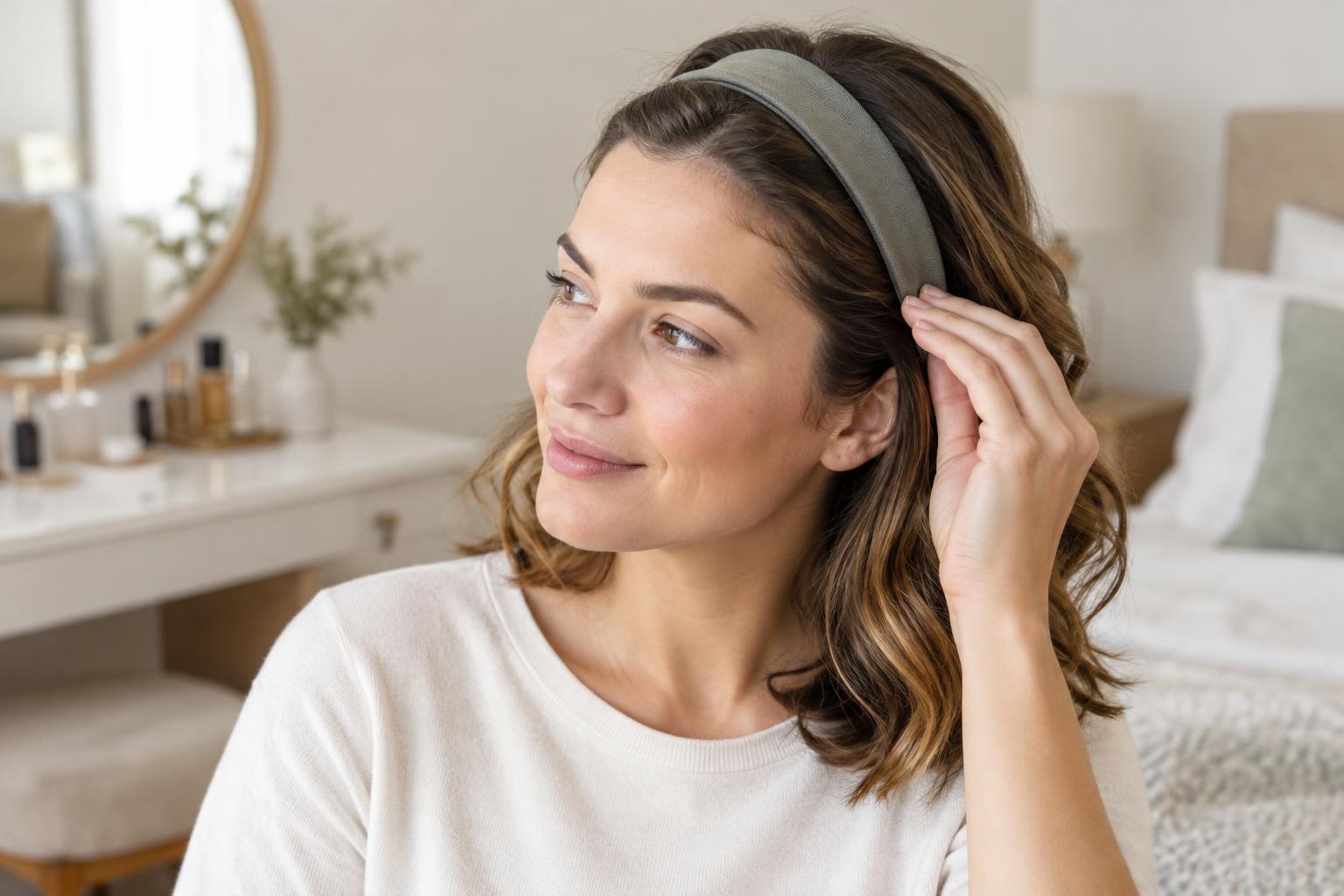
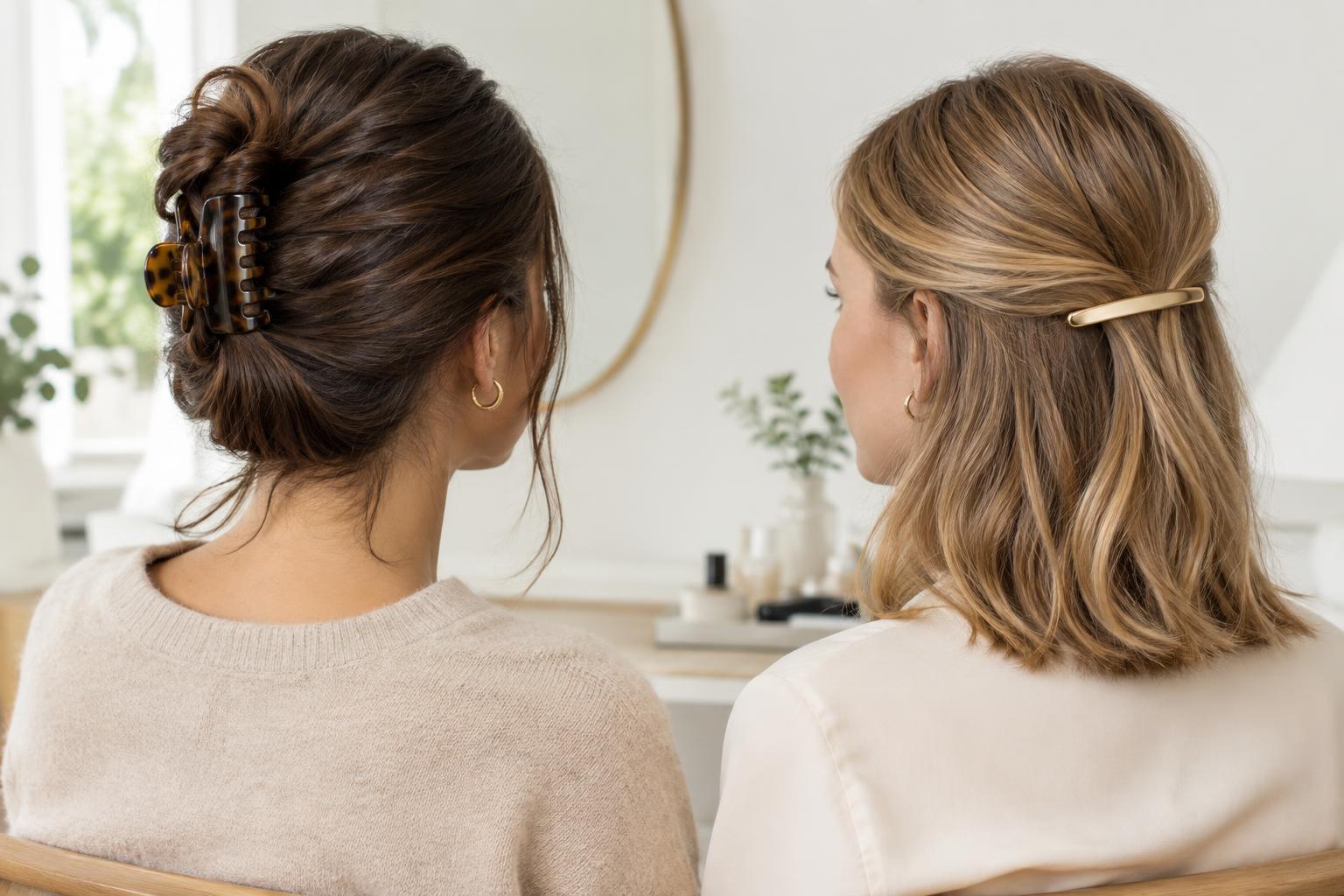
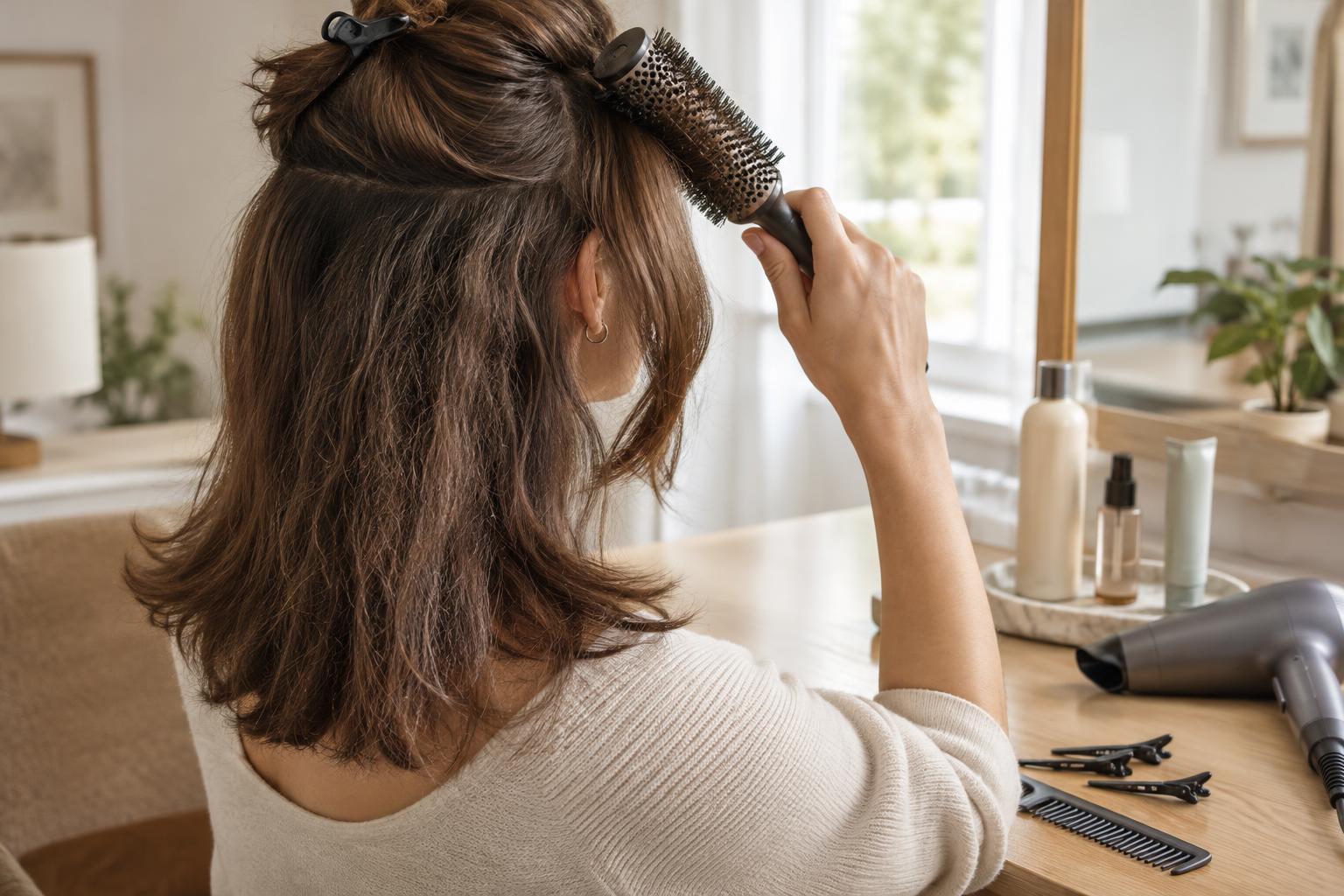
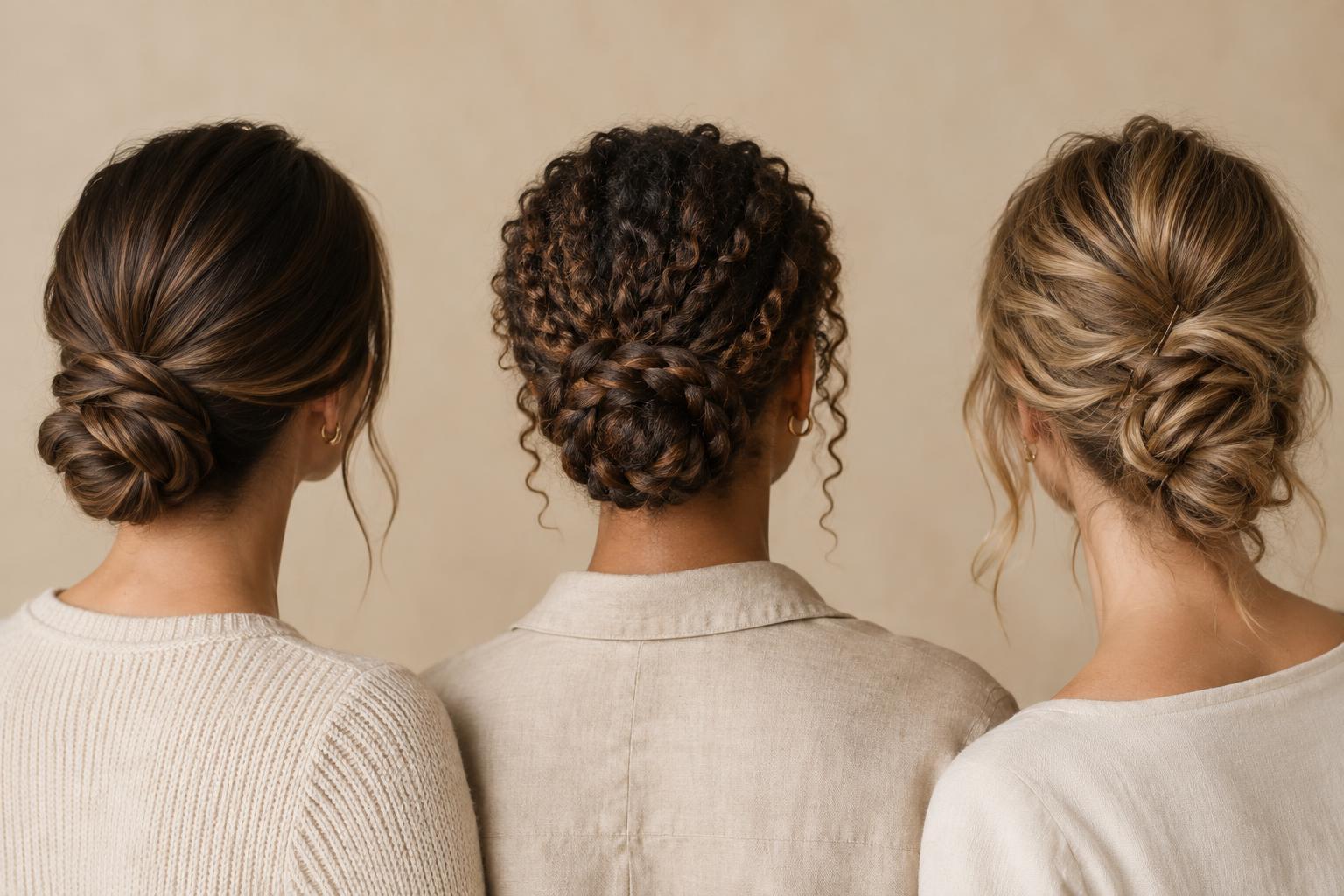
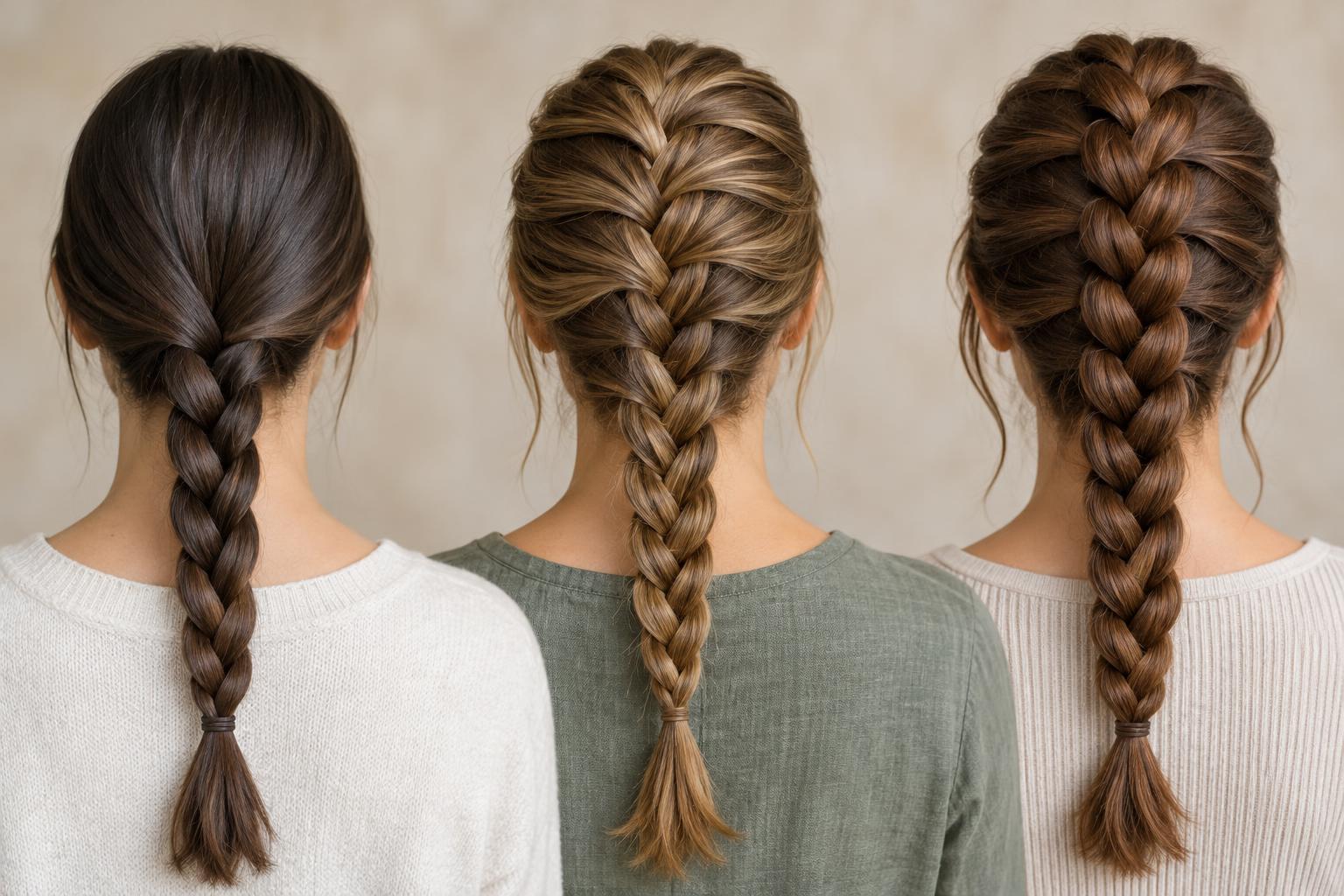
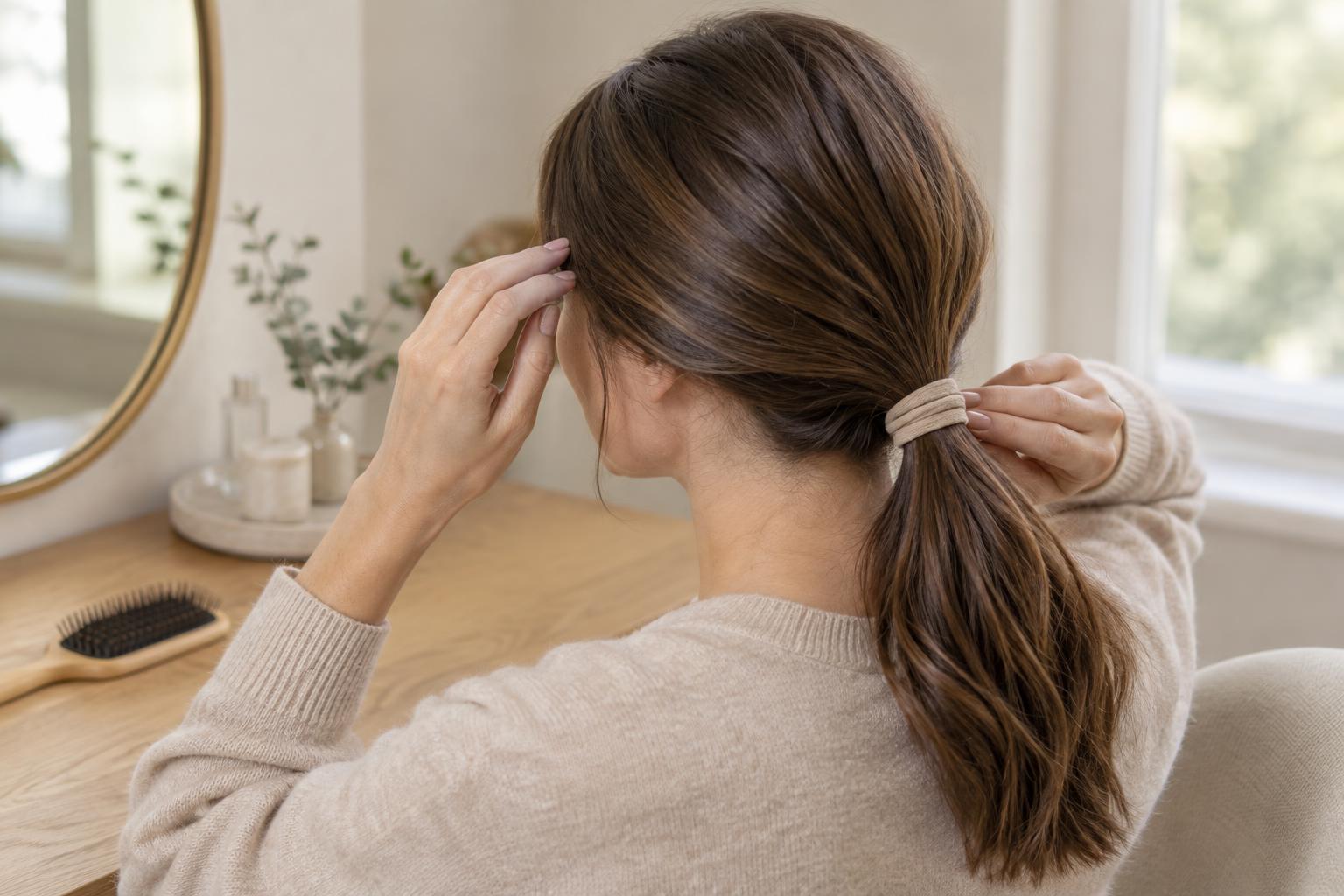
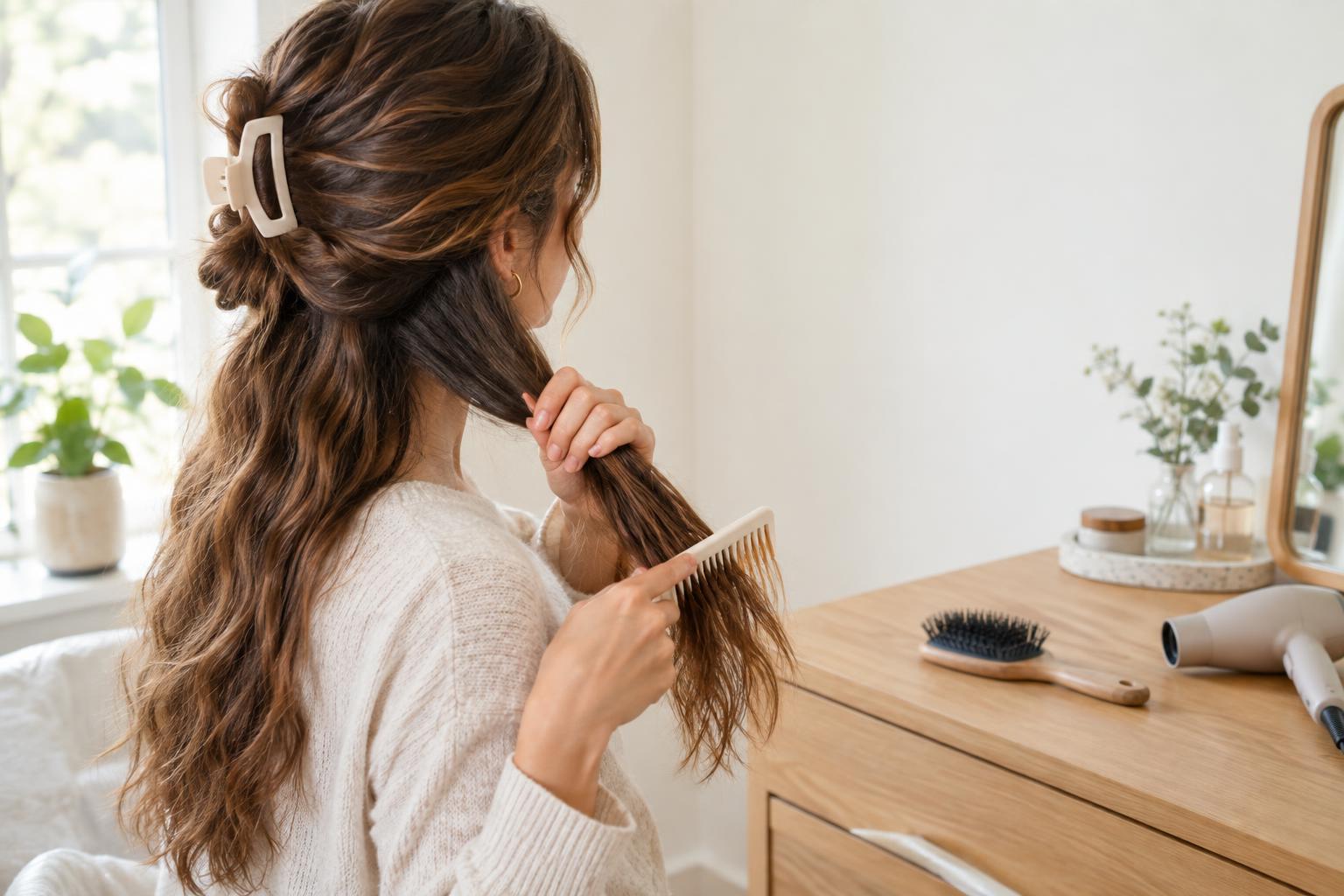
Pay attention to practical details too. If you usually wear your hair down, consider whether you prefer a scarf lying flat beneath it or a knot that remains visible above your collar. If you style your hair up, a small neck scarf may become more prominent. Try the full outfit with the hairstyle you would actually wear. That quick check is often more informative than judging an accessory by itself.
Choose a gift around the recipient, not a guess about trends
A scarf can make a thoughtful gift because it does not require the same fit decisions as many garments, but it still asks for attention to the person receiving it. Notice the colors they repeat, the coats they wear most and whether their accessories tend to be subtle or expressive. Someone who favors small, precise details might appreciate a square scarf; someone who regularly layers clothing may have more use for a wrap. These are clues, not certainty, so leave room for their own taste.
If material is an important part of your choice, consult the individual product description rather than relying on a collection name. Think about the climate and occasions in the recipient’s life without assuming that every scarf serves the same purpose. A gift chosen to accompany a coat they already love can feel more personal than one selected solely because its color is fashionable.
Make a short, useful checklist before you browse
First, name the item’s likely role: everyday neck layer, small color accent, shoulder covering or gift. Second, pick two or three garments it should accompany. Third, decide on shape, approximate scale and whether you want a solid color or a pattern. Finally, read the specific product’s dimensions, composition and care information. This sequence helps you compare options on relevant details rather than getting lost among attractive images.
It is also worth considering how the piece will live between wears. An accessory that needs careful handling may still be right for a special occasion, while an everyday choice should fit the effort you are willing to give it. There is no need to force a single scarf to meet every need. A well-chosen piece can simply perform one useful job exceptionally well within your own wardrobe.
Use regional pages as a map, not a substitute for product details
UniqueYou has 20 regional domains, 21 regional-language versions and 16 distinct languages. Those numbers differ because countries may share a language, and one country may offer more than one language version. The United Arab Emirates has an Arabic root version and an English version at /en on the same regional domain. Choosing the right version makes browsing terminology easier; it does not change the need to inspect an individual product when you want precise material, size or care information.
The guide below identifies each country and destination language in English. A linked collection can help you narrow a question—such as shape, color or material—before you compare individual pieces. Some collection links are shown as local-language terms and others as direct-address labels. Treat both as navigation to a category, not as a claim that every item in that category has the same composition or styling properties.
Find the regional-language guide that suits you
Each entry names its destination language before its links. Start with the regional home if you want to browse broadly, or follow the indicated collection when you already have a wardrobe question in mind. Collection names describe where to look; check each product separately for its particular details.
Poland — Polish
The Polish-language destination begins at UniqueYou. If you want to consider a small square-style accent rather than a long layer, the Polish-language collection at UniqueYou provides a more focused starting point. Picture the size beside your usual shirt collars and jacket lapels before deciding how prominently you want to wear it.
Germany — German
Browse the German-language home at UniqueYou for an overview. The German-language wool-scarf collection at UniqueYou helps narrow the material category, while the German-language winter-scarf collection — https://uniqueyou-store.de/collections/schals-fur-den-winter — is a route for thinking about seasonal layering. For either route, compare individual descriptions rather than assuming identical fiber content or weight.
Czechia — Czech
The Czech-language home is UniqueYou. If a dark neutral would connect several coats, use the Czech-language black-scarf collection at UniqueYou. For a different, neck-focused material category, the Czech-language cotton-neckerchief collection — https://uniqueyou.cz/collections/bavlnene-satky-na-krk — offers another place to begin. Check the particular piece for its composition and dimensions.
Spain — Spanish
Start at the Spanish-language home UniqueYou if you are still deciding between shapes. If a silk-category scarf interests you, the Spanish-language collection at UniqueYou narrows the browse. Consider whether you want a piece that sits close to the neckline or one that shows more of its design over a plain top, then read the details of the individual option.
France — French
The French-language destination starts at UniqueYou. Explore the French-language cashmere-shawl collection at UniqueYou if a shoulder layer is on your list. For an outfit built around a dress or an occasion, the French-language collection for dress and wedding stoles — https://uniqueyou.fr/collections/etoles-pour-robes-et-mariages — offers a separate route. Choose by the garment and coverage you have in mind, not by the occasion label alone.
Hungary — Hungarian
Visit the Hungarian-language home at UniqueYou for a broad view, or the Hungarian-language scarf collection at UniqueYou if you already know the accessory type you want. A simple comparison is to hold each candidate’s color against your most-worn outer layer and your everyday knitwear; a piece that works with both has a clear role.
Italy — Italian
The Italian-language home is UniqueYou. For a lighter-looking styling direction, use the Italian-language lightweight-scarf collection at UniqueYou as a starting point. Think about whether the scarf should be a narrow accent near the face or a visible line over a jacket, and verify the dimensions and material of the piece you choose.
Romania — Romanian
Browse the Romanian-language destination at UniqueYou. The Romanian-language headscarf collection at UniqueYou is useful if you are considering a compact piece for hair or neckline styling. Try to picture its pattern with your usual hairstyle and earrings; that combination tells you more about the finished look than a scarf viewed on its own.
Slovakia — Slovak
The Slovak-language home begins at UniqueYou. For accessories intended for the head or hair, see the Slovak-language collection at UniqueYou. If you plan to wear one with hair down as well as hair up, consider how much of the design would remain visible in both versions and consult the listed dimensions.
Finland — Finnish
Start with the Finnish-language home at UniqueYou. If blue already appears in your coats, shirts or accessories, the Finnish-language blue-scarf collection at UniqueYou offers a color-led browse. Compare the shade with the actual pieces you own: a shared color family can be useful without requiring an exact match.
Sweden — Swedish
The Swedish-language home is UniqueYou. The Swedish-language white-scarf collection at UniqueYou offers a focused option if you want a light contrast against dark clothing. Consider how much contrast you enjoy near your face and whether a scarf should stand out from the coat or blend into a lighter outfit.
Denmark — Danish
Browse the Danish-language home at UniqueYou. For the silk category, use the Danish-language collection at UniqueYou and inspect individual product information for exact composition. If you want to look instead at shoulder-covering shapes, the Danish-language shawl collection — https://uniqueyou.dk/collections/sjaler — takes you to that category. Think first about the garment you would layer it over.
Belgium — Dutch
The Belgian destination here is in Dutch: begin at UniqueYou. The Dutch-language small-scarf collection at UniqueYou suits a search for a contained accent. For a different material-led search, the Dutch-language cashmere-scarf collection — https://uniqueyou.be/collections/kasjmieren-sjaals — is another route. In both cases, product-level details matter more than the collection label when you compare pieces.
Austria — German
Austria’s German-language home is UniqueYou. The German-language silk-neckerchief collection at UniqueYou is a shape-and-material starting point; the German-language red-scarf collection — https://uniqueyou.at/collections/schals-in-rot — is a color-led one. Decide whether red should be the main feature of your outfit or a small echo of something you already wear.
Netherlands — Dutch
Visit the Dutch-language home for the Netherlands at UniqueYou. If black is already a reliable base in your wardrobe, the Dutch-language black-scarf collection at UniqueYou lets you compare options within that color direction. Look for differences in shape, texture and scale so the new piece has a purpose alongside the black items you own.
United States — English
The English-language United States home is UniqueYou. For a layer that can sit across the shoulders, browse the English-language shawl collection at UniqueYou. If you prefer a foldable accent, the English-language square-scarf collection — https://uniqueyou-store.com/collections/square-scarves — leads there instead. Consider your jacket collar and intended knot before settling on a shape.
United Arab Emirates — Arabic
The United Arab Emirates’ Arabic-language root destination is UniqueYou. If you want to explore larger scarf shapes, the Arabic-language large-scarf collection — https://uniqueyou.ae/collections/أوشحة-كبيرة — leads to that category. Think about how much fabric you want visible over your usual clothing, and check each item’s measurements rather than relying on the category name alone.
United Arab Emirates — English
For the United Arab Emirates in English, use the English-language /en destination at UniqueYou. It shares the country’s regional domain with the Arabic root but provides a separate language version. Begin with the shape that fits your wardrobe, then use individual product descriptions to confirm material, size and care information.
Ireland — English
The Irish English-language home is UniqueYou. For a smaller neck accent, the English-language neckerchief collection at UniqueYou offers a focused browse. A simple test is to imagine the piece with the collars you actually wear: a compact knot can add color while keeping a shirt or jacket clearly visible.
United Kingdom — English
Start at the United Kingdom’s English-language home UniqueYou. The English-language wool-scarf collection at UniqueYou provides a material-category route; the broader English-language scarf collection — https://uniqueyou.uk/collections/scarves — leads to general browsing. Compare the individual pieces for dimensions and composition, especially if you have a particular coat or season in mind.
Portugal — Portuguese
The Portuguese-language home is UniqueYou. Browse the Portuguese-language scarf collection at UniqueYou for one starting point, or follow the Portuguese-language stole collection — https://uniqueyou.pt/collections/echarpes — if a wider outfit layer is what you have in mind. Decide how the accessory should sit with your usual neckline, then check the details of the piece that catches your eye.
The best scarf choice starts with your own clothes and the way you like to wear them. Use color, shape and product details to narrow the field, then choose the piece you can readily picture in your real routine.