What gentle cleansing is meant to do
Washing your face helps remove everyday buildup, including oil, sweat, sunscreen, makeup, and anything else sitting on the skin’s surface. The goal is to leave your face comfortable and ready for the rest of your routine—not to make it feel squeaky clean. A tight feeling after washing can be a clue that your cleanser, technique, or washing frequency is more than your skin needs.
There is no single schedule that suits everyone. Your skin may feel different after exercise, in dry weather, or on days when you wear makeup. Rather than adding steps automatically, start with a simple routine and pay attention to how your face feels afterward. Gentle cleansing is as much about what you leave out—scrubbing, very hot water, and repeated washes—as what you use.
Choose a cleanser you can use comfortably
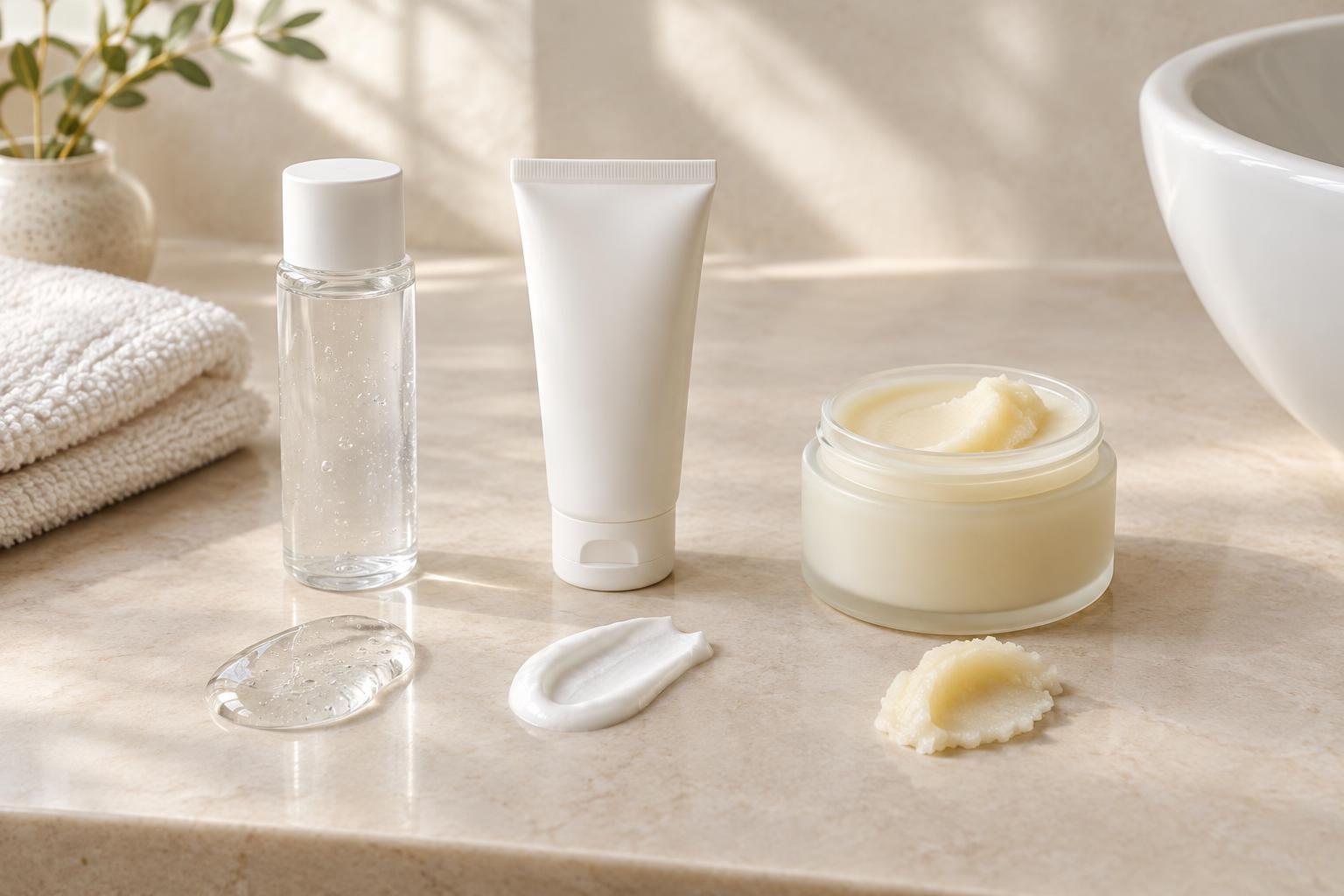
For a basic routine, look for a facial cleanser that rinses away without leaving your skin noticeably tight or coated. Product labels may describe a cleanser as a gel, cream, lotion, or foam, but the texture alone does not tell you whether it will suit you. A small amount used as directed is a better starting point than a generous handful.
If your skin often feels dry after washing, consider a milder cleanser and avoid treating a strong, stripped feeling as proof that it worked. Fragrance-free options may be worth considering if scented products tend to bother your skin. If you use a washcloth or cleansing brush, remember that the tool adds friction; you do not need one to wash your face effectively. Clean hands and a suitable cleanser are enough for an everyday wash.
Avoid introducing several new cleansing products at once. Trying one change at a time makes it easier to notice whether your routine feels more comfortable. If a product repeatedly stings or leaves your skin feeling uncomfortable, stop using it rather than trying to compensate with more steps.
Use a light touch at the sink
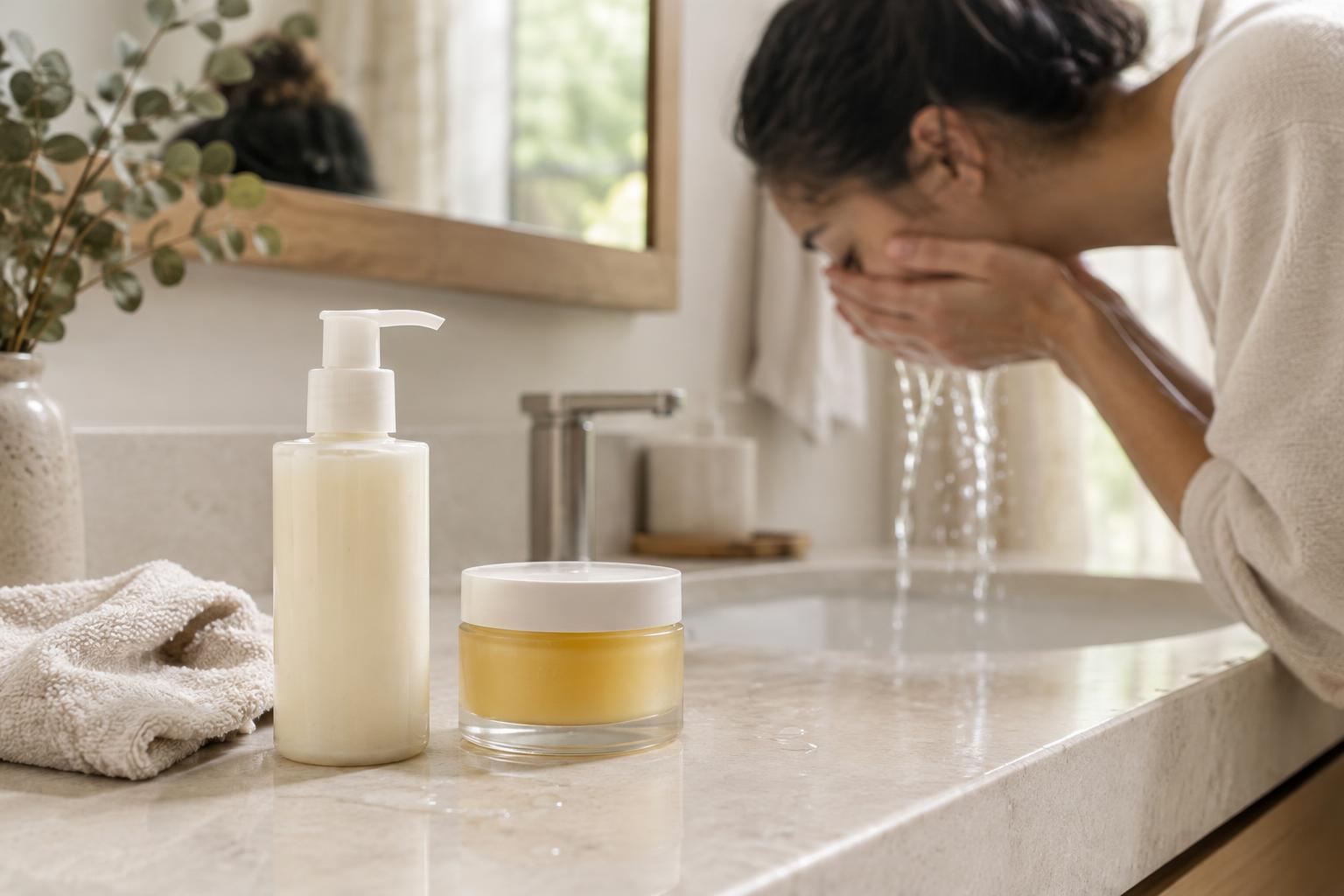
Begin by washing your hands. Wet your face with lukewarm water, then gently spread cleanser over the areas you want to clean. Use your fingertips and light motions rather than pressing hard or rubbing for a long time. Give attention to spots where sunscreen or makeup tends to linger, such as around the hairline and sides of the nose, without scrubbing them.
Rinse until the cleanser is gone. You do not need very hot water to get clean, and a long rinse is not a substitute for a cleanser that suits your routine. Pat your face with a clean, soft towel instead of dragging the towel across your skin. If you use a moisturizer, applying it after washing can help your skin feel comfortable; choose a texture that works for you.
Decide when a second cleanse is useful
A second cleanse means washing again after an initial cleanse, often when removing makeup or sunscreen. It can be useful if one gentle wash does not fully remove what you wore, but it is not a required step for everyone or every day. If you use a makeup remover or cleansing balm first, follow its directions and check how your skin feels before assuming you need another thorough wash.
You can also change the way you remove makeup instead of washing harder. For example, give a remover time to loosen makeup and lift it away gently, especially near the eyes. Avoid rubbing the eye area or repeatedly washing the entire face to tackle one stubborn spot. If you are not wearing much on your skin, one careful cleanse may be plenty.
Notice when your routine needs less, not more
Frequent washing, long sessions at the sink, and extra exfoliating products can make a routine feel thorough while leaving skin uncomfortable. If your face often feels tight, rough, or unusually dry after cleansing, consider simplifying: use less pressure, shorten the wash, or reassess how often you cleanse. On a morning when your skin feels comfortable, a water rinse may be enough for you; on another day, you may prefer cleanser.
Give any adjustment a little time and judge it by comfort, not by whether your skin feels perfectly oil-free. Skin can naturally have some shine without being dirty. If discomfort persists or you have a skin concern that is difficult to manage, a qualified clinician can offer advice tailored to you. For everyday care, the most useful routine is often the one you can repeat without leaving your face feeling stripped.