Why sponge care matters
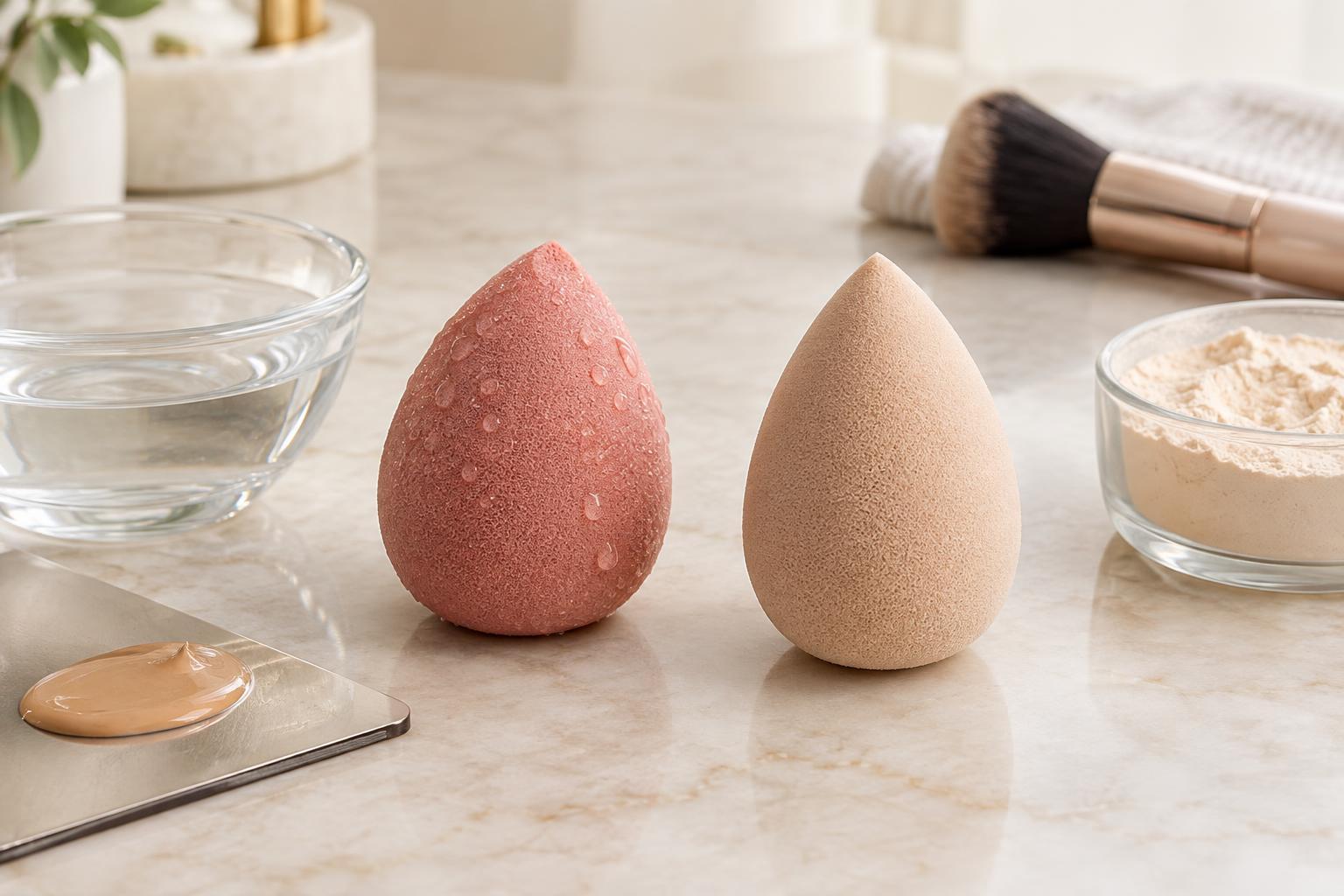
A makeup sponge picks up more than the foundation or concealer you can see on its surface. Product can settle inside its pores, while repeated use leaves it damp or coated with residue. Regular washing helps the sponge feel softer, blend more evenly and stay pleasant to use.
A useful routine is to wash a reusable sponge after each use, especially if you apply liquid or cream products with it. If that is not practical, avoid leaving a used sponge sealed in a makeup bag or case while you wait to clean it. Give it a place to air out, and wash it before the next application. Check the maker’s care directions if your sponge has an unusual material or finish.
Wash gently, then rinse thoroughly
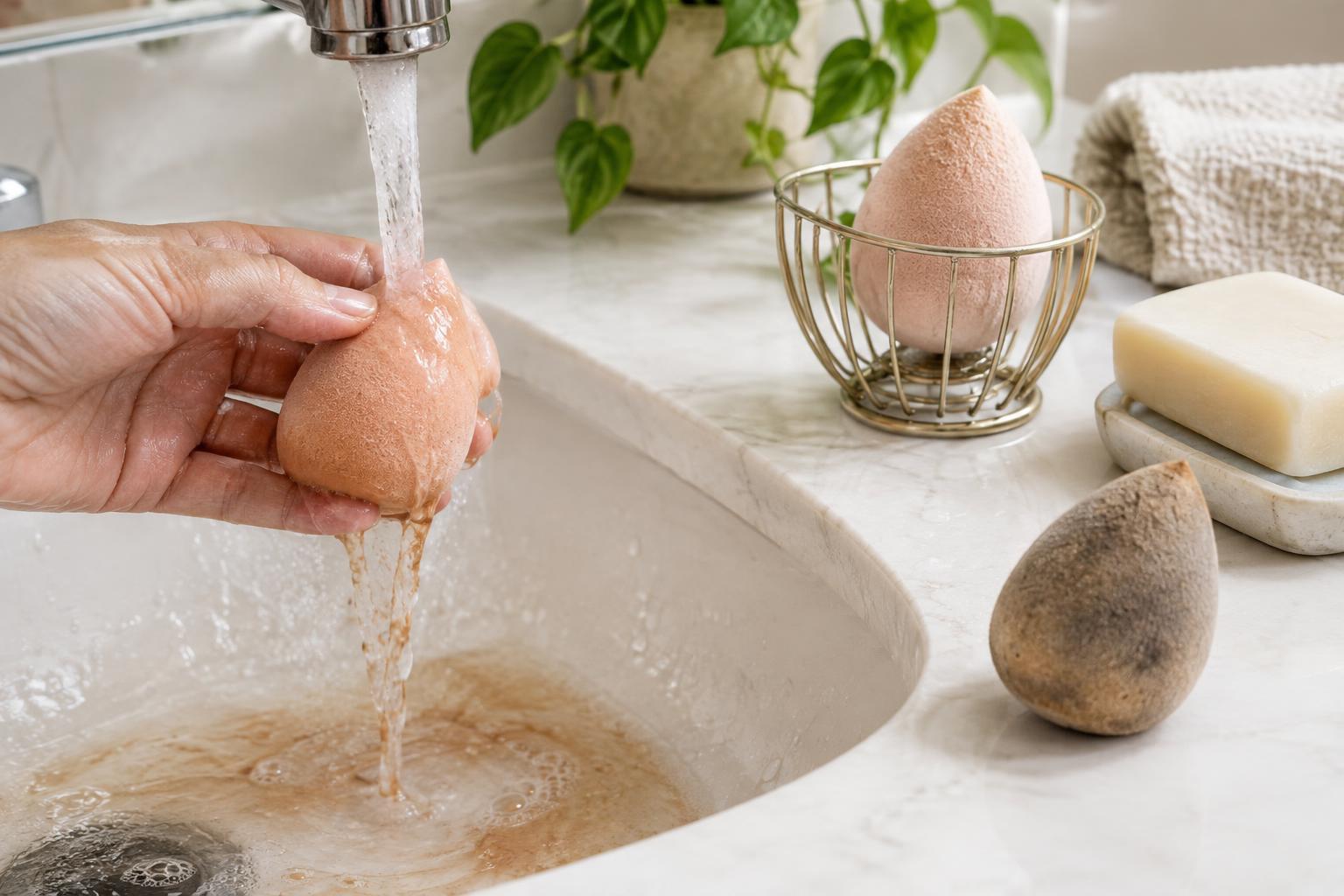
Start by wetting the sponge with lukewarm water and squeezing it a few times so water reaches the center. Add a small amount of mild liquid soap or a cleanser made for makeup tools. Work it through with gentle squeezes, concentrating on areas with visible makeup. You can also rub a particularly stained spot lightly against your palm, but avoid scraping it with your nails or twisting the sponge.
Rinse under lukewarm running water, squeezing and releasing until the water runs clear and the sponge no longer feels slippery. Dense sponges may need another small application of cleanser. Take your time with the rinse: soap left in the sponge can affect how it feels the next time you use it. When finished, press out as much water as you can without wringing or pulling at the material.
Skip harsh household cleaners, bleach and attempts to heat the sponge in a microwave. These methods can damage the material and are not a substitute for careful washing. If you use a cleansing product for the first time, follow its label directions and rinse the sponge well.
Let the center dry, not just the surface
A sponge can feel dry on the outside while still holding water in its middle. After washing, press it between the folds of a clean, dry towel to absorb extra moisture. Then set it on a clean, open surface or a well-ventilated holder where air can reach it. Avoid putting it straight into a closed drawer, pouch or covered container.
Choose a spot away from splashes and give the sponge enough time to dry completely before storing or using it again. Drying time varies with the sponge’s size, material and surroundings, so judge it by feel rather than by the clock. If it still feels cool and damp when gently squeezed, leave it out longer. Having a second sponge can make this easier when you want to apply makeup before the first one has dried.
Know when washing is no longer enough
A reusable makeup sponge will eventually wear out. Replace it when it starts to tear, crumble, lose its shape or develop a rough texture that makes blending difficult. A persistent unpleasant smell after washing and complete drying is another reason to stop using it. If you notice visible growth or discoloration that looks unlike ordinary makeup staining, discard the sponge rather than trying to rescue it.
A lingering foundation stain alone does not always mean a sponge is dirty or unusable. Some pigments leave color behind even after the product has been rinsed away. Pay attention to the sponge’s texture, smell and overall condition, as well as whether you can wash and dry it effectively. There is no single replacement schedule that fits every sponge: how often you use it and how well it holds up both matter.
Make the routine easy to keep
Keep cleanser and a clean towel near the sink so washing the sponge feels like part of putting makeup away. When you travel, pack a dry sponge in a breathable, clean case if possible, and avoid enclosing a wet one for long periods. Wash the case or holder regularly too; a clean sponge benefits from a clean place to rest.
The routine is simple: gently wash out the makeup, rinse out the cleanser, press out the water and leave the sponge exposed to air until it is dry throughout. Replace it when wear or a persistent odor makes it difficult to keep clean and comfortable to use. Those small habits help you get more consistent use from a tool you reach for often.