Start with your real outfits
Before choosing accessories, look at the clothes you reach for in an ordinary week. Note the necklines, sleeve lengths, colors and level of formality you wear most. A collection built around your actual wardrobe will be easier to use than one assembled around special-occasion outfits. If you often wear simple tops and trousers, for example, a scarf or necklace may add interest. If your clothes already have prints or prominent details, quieter accessories may be more useful.
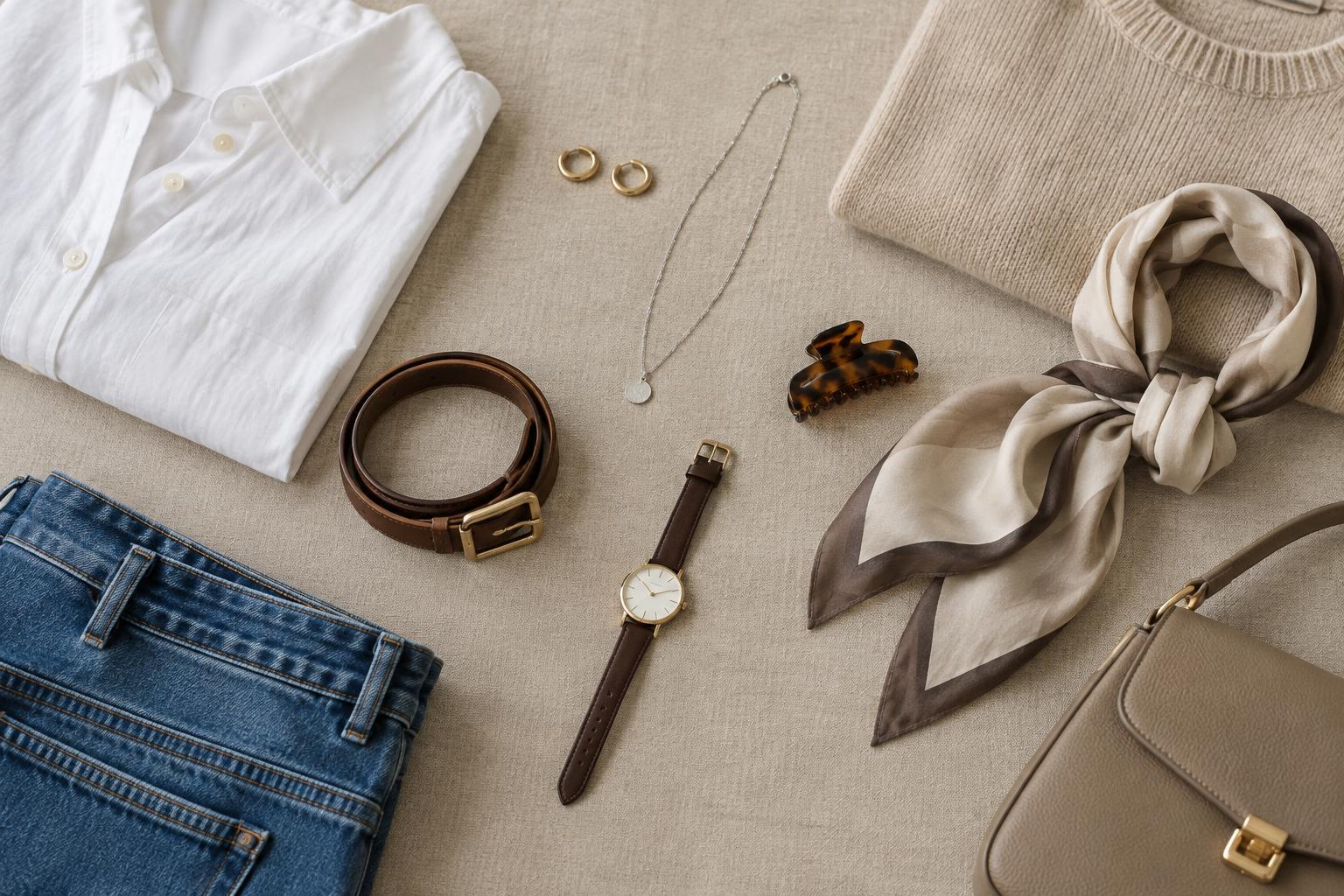
Take stock of what you already own and sort it by type: bags, belts, jewelry, scarves, hair accessories and anything else you regularly wear. Set aside pieces that are uncomfortable, difficult to fasten or repeatedly left unused. You do not have to discard them immediately; the goal is to see which items earn a place in your routine and where a genuine gap remains.
Choose a flexible foundation
A small collection works best when its pieces can move between outfits. Start with one or two color directions that suit your wardrobe rather than trying to match everything exactly. A bag in a color you wear often, a belt that works with several pairs of trousers, or a simple pair of earrings can each cover many days. Neutral colors are convenient for some wardrobes, but a frequently worn accent color can be just as versatile for yours.
It can help to think in roles instead of following a fixed checklist. You might want an everyday bag that holds your essentials, a hands-free option for busy days, a piece of jewelry that feels comfortable for hours, and one accessory that makes a plain outfit feel more intentional. Someone who seldom wears belts does not need a belt merely to complete a collection. The most useful foundation is the one that reflects how you dress.
Use scale and detail to create variety
Versatility does not require every item to look alike. A small set can include both a quiet piece and a more noticeable one: slim hoops alongside larger earrings, or a plain scarf alongside one with a pattern. This gives you options without filling a drawer with slight variations of the same thing. If you are unsure about a new piece, imagine it with at least three outfits you already wear and consider whether it adds a look you cannot easily make now.
Proportion can help an accessory feel at home with an outfit. A delicate necklace may sit neatly with a detailed neckline, while a broader scarf can balance a simple coat. These are starting points, not rules. Try the combination on, move around, and check it from a comfortable distance. An accessory that looks appealing on its own is most valuable when you also enjoy wearing it.
Check comfort and everyday function
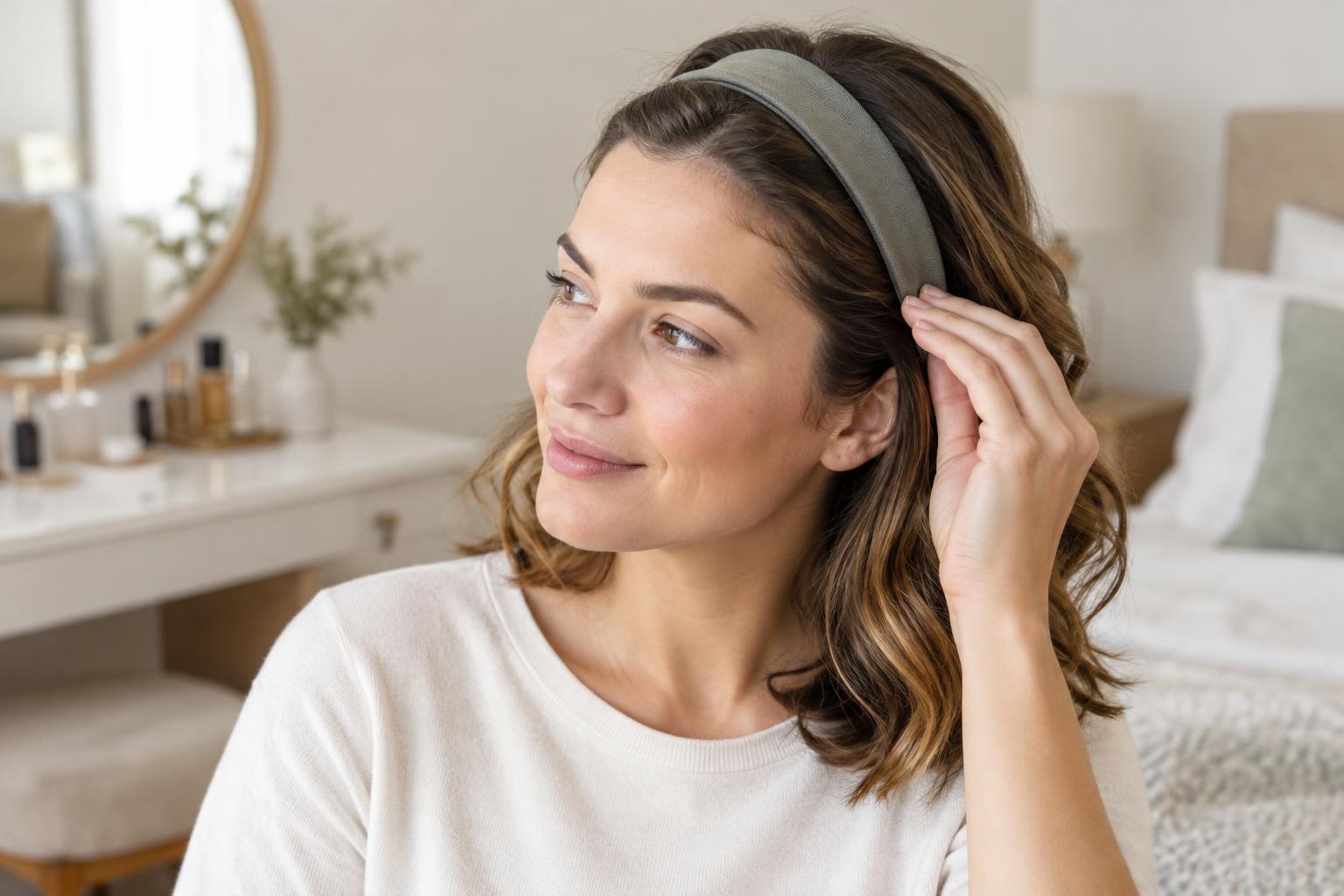
An accessory is only versatile if it fits your day. For a bag, consider what you carry, how the strap feels and whether you can reach your essentials easily. For jewelry, check weight, closures and whether pieces catch on clothing or hair. For hair accessories, notice whether they hold your usual style without slipping or pulling. If your skin reacts to certain materials, pay attention to material descriptions and your own experience rather than assuming every piece will feel the same.
Also consider maintenance before buying. Some finishes show scratches easily; some fabrics need gentler handling; and some shapes are awkward to store. Read any care information provided and decide whether it fits the effort you are willing to give. An item that needs occasional attention can still be a good choice, but it should not become a chore you did not expect.
Add slowly, then keep the collection usable
When you identify a gap, shop for that specific role rather than for a vague sense that your collection needs more. Bring to mind the outfits and situations the new item should serve. If possible, try it with similar colors or necklines and test its closure, weight or capacity. Waiting until you know what is missing can help you distinguish a practical addition from a duplicate.
Keep your accessories visible and easy to reach. Separate delicate pieces that may tangle, give bags enough space to keep their shape, and place your most-used items where you can find them on a busy morning. Revisit the collection occasionally: what you wear may change with your routine or the season. A small, versatile collection is not a finished list. It is a working set of pieces that makes getting dressed simpler and feels like your style.