What a patch test can—and cannot—tell you
A new cleanser, serum, moisturizer, or sunscreen may sound like a good fit on the label, but your skin’s response is the part you cannot predict with certainty. A patch test means trying the product on a limited area before applying it across your face or body. It gives you a chance to notice visible or uncomfortable changes while keeping the first application small.
A home patch test is a screening step, not a guarantee that a product will suit you. Skin in different areas can respond differently, and a reaction may appear only after repeated use. It also cannot tell you whether a change is irritation or an allergy. If you have a history of significant reactions or already know an ingredient causes problems for you, do not rely on a home test to make that ingredient safe.
Choose a small, suitable spot
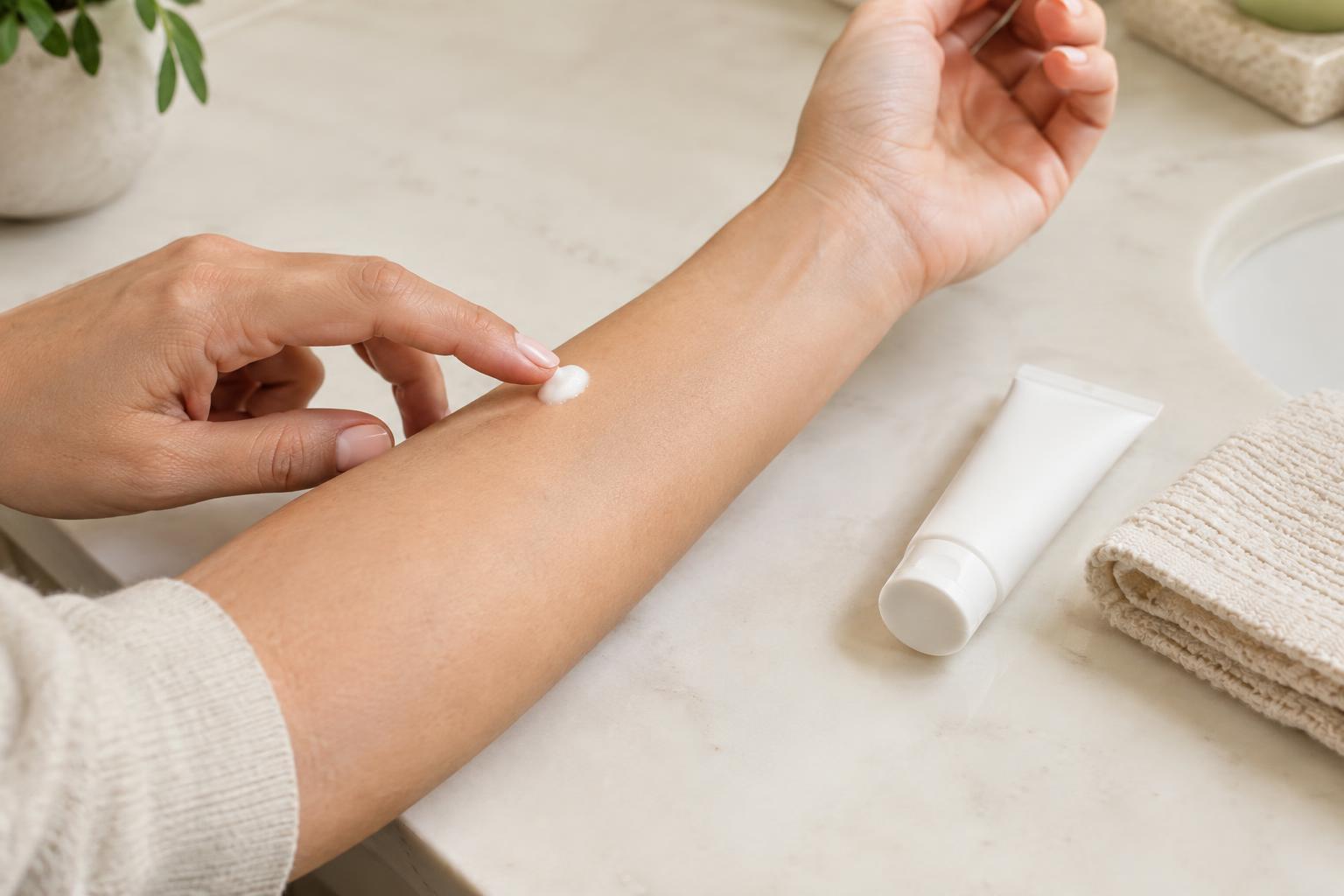
Start with clean, dry, unbroken skin. A small area along the jawline or just below the ear can be useful when testing a facial product because it is closer to where you plan to use it. The inner forearm is another convenient place for an initial check. Whichever spot you choose, keep it small enough that you can easily see whether anything changes.
Test only one unfamiliar product at a time. If you try several in the same area, it becomes difficult to tell which one caused a response. Check the packaging for directions and cautions before you begin, especially for products intended for a particular area. Do not put a product close to your eyes unless its directions say it is suitable for that area.
Apply it the way you would normally use it
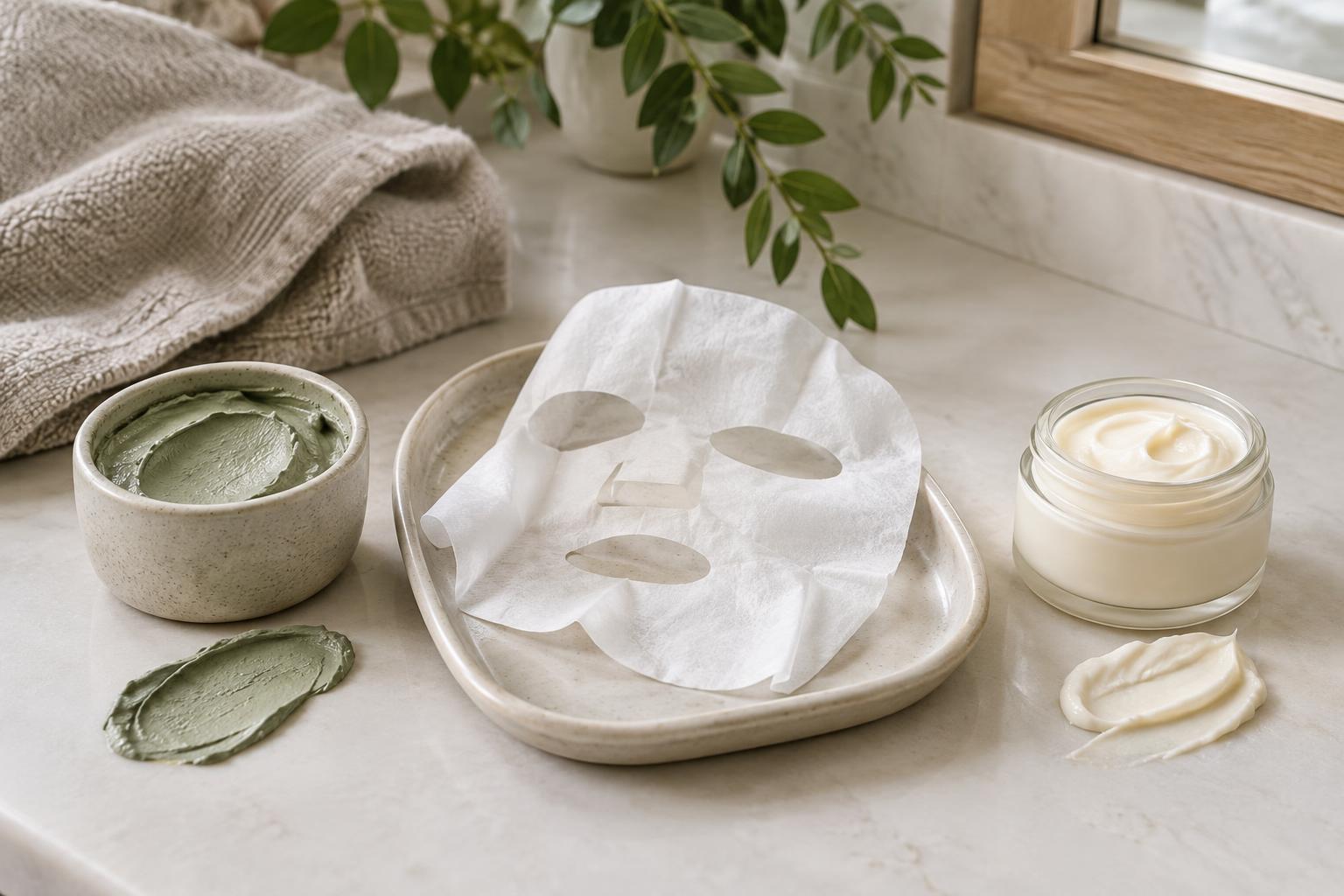
Use a small amount and follow the product’s usual instructions. Leave-on products, such as moisturizers, can stay on for the directed period. Rinse-off products, such as cleansers or masks, should be rinsed off as directed; leaving them on longer does not make the test more useful. Avoid covering the area with a bandage unless the product instructions specifically call for it, since covering skin can change how a product feels and performs.
Keep the rest of your routine simple on the test spot. Applying an exfoliant, fragranced product, or several active formulas over the same patch could make any reaction harder to interpret. You can note where and when you applied the product, then check the area later that day and over the next few days. Some changes are noticeable quickly, while others take longer to appear.
Know what to watch for
Look for redness, bumps, swelling, unusual dryness, or a rash, and pay attention to itching, stinging, burning, or tenderness. Not every brief sensation means the same thing: some products can feel different on application, while persistent or worsening discomfort is a reason to stop. Compare the test area with nearby skin rather than judging it by memory alone.
If the area becomes uncomfortable, wash the product off gently and stop using it. Avoid trying to “push through” a noticeable reaction or testing the same product repeatedly on irritated skin. If symptoms are severe, spread beyond the test area, or do not settle, seek guidance from a qualified healthcare professional. Breathing difficulty or significant facial swelling calls for urgent medical attention.
Move from the test spot to your routine gradually
If the test area remains comfortable for several days, you can consider trying the product on a larger area as directed. Start with one new product rather than changing your entire routine at once. That makes it easier to notice whether your skin remains comfortable during normal use. Continue to follow the label, including how often to apply the product and whether it should be rinsed off.
A successful patch test is permission to proceed thoughtfully, not a promise that you will never react. If your skin starts to feel uncomfortable after you increase use, pause the new product and give yourself time to reassess. Keeping your routine straightforward makes it easier to learn what works for you without having to guess which of several new steps made the difference.