Start with the shape you want to keep
Diffusing is less about making curls and more about drying the pattern your hair has formed while wet. A diffuser spreads the airflow from a blow-dryer, so there is less concentrated air pushing strands apart. It cannot guarantee a frizz-free result, but a steady, low-touch approach can help waves and curls stay grouped as they dry.
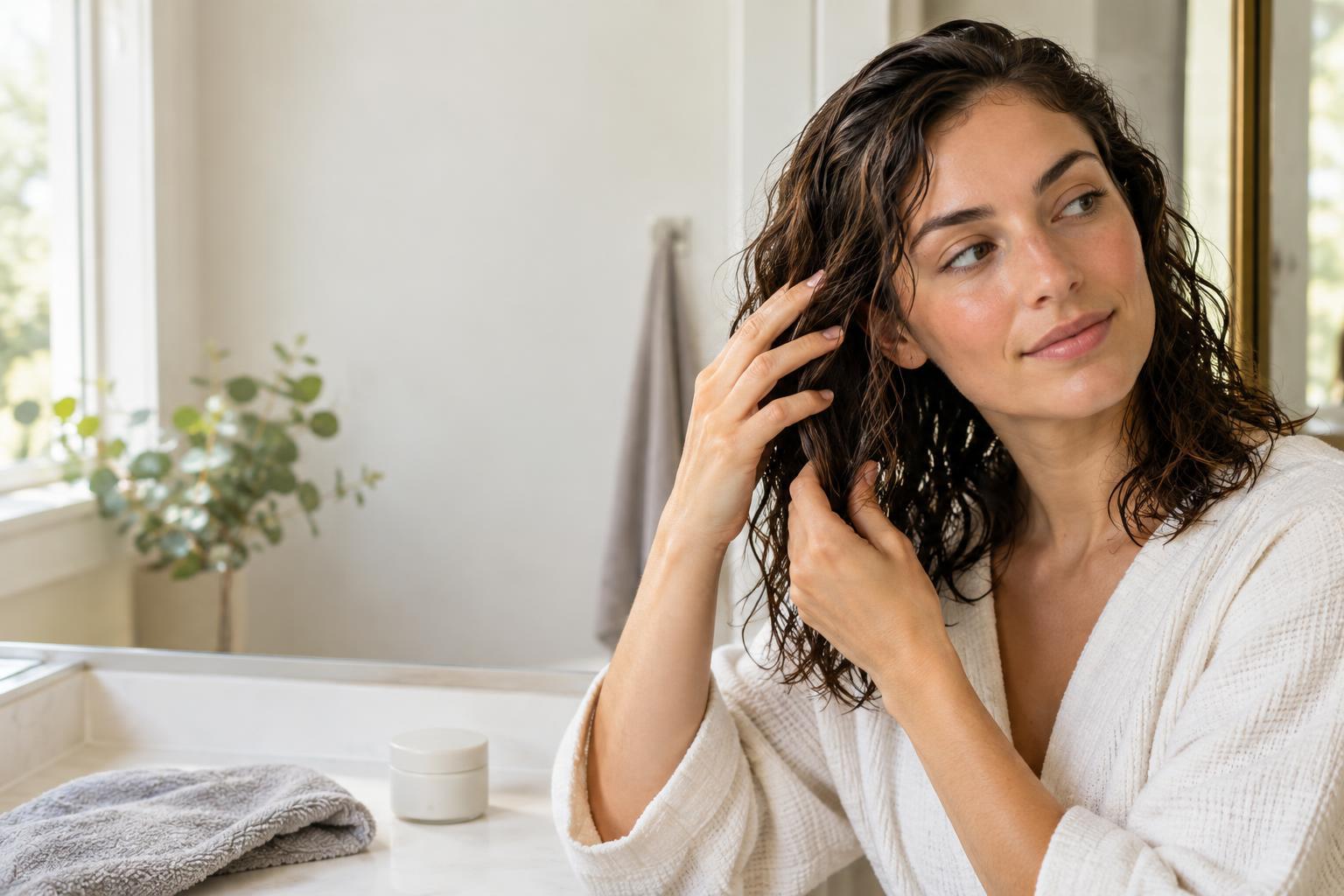
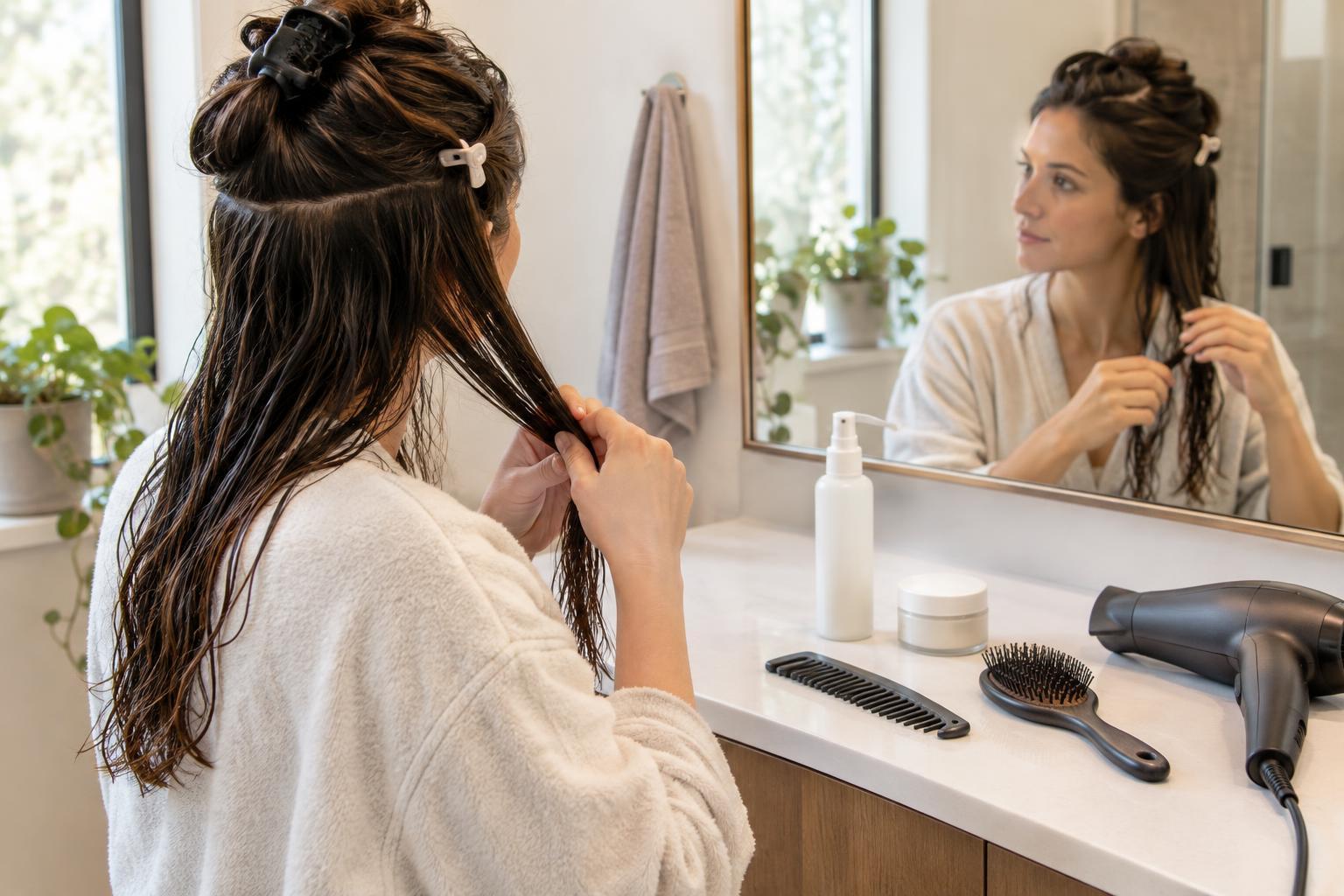
After washing, detangle while your hair is wet and slippery, then apply any leave-in product or styler you like. Use your hands to distribute it through the areas that need it, and scrunch upward if that helps your waves or curls take shape. If you use a gel or mousse, let the strands settle into clumps before switching on the dryer. Once those groups have formed, avoid brushing or repeatedly separating them.
Remove excess water by gently squeezing with a soft towel or cotton T-shirt rather than rubbing. Hair should still feel damp enough to hold its shape, but not be dripping heavily. If your pattern tends to stretch when very wet, a few minutes of gentle squeezing can make the later drying stage easier to manage.
Choose settings that do not blow the pattern apart
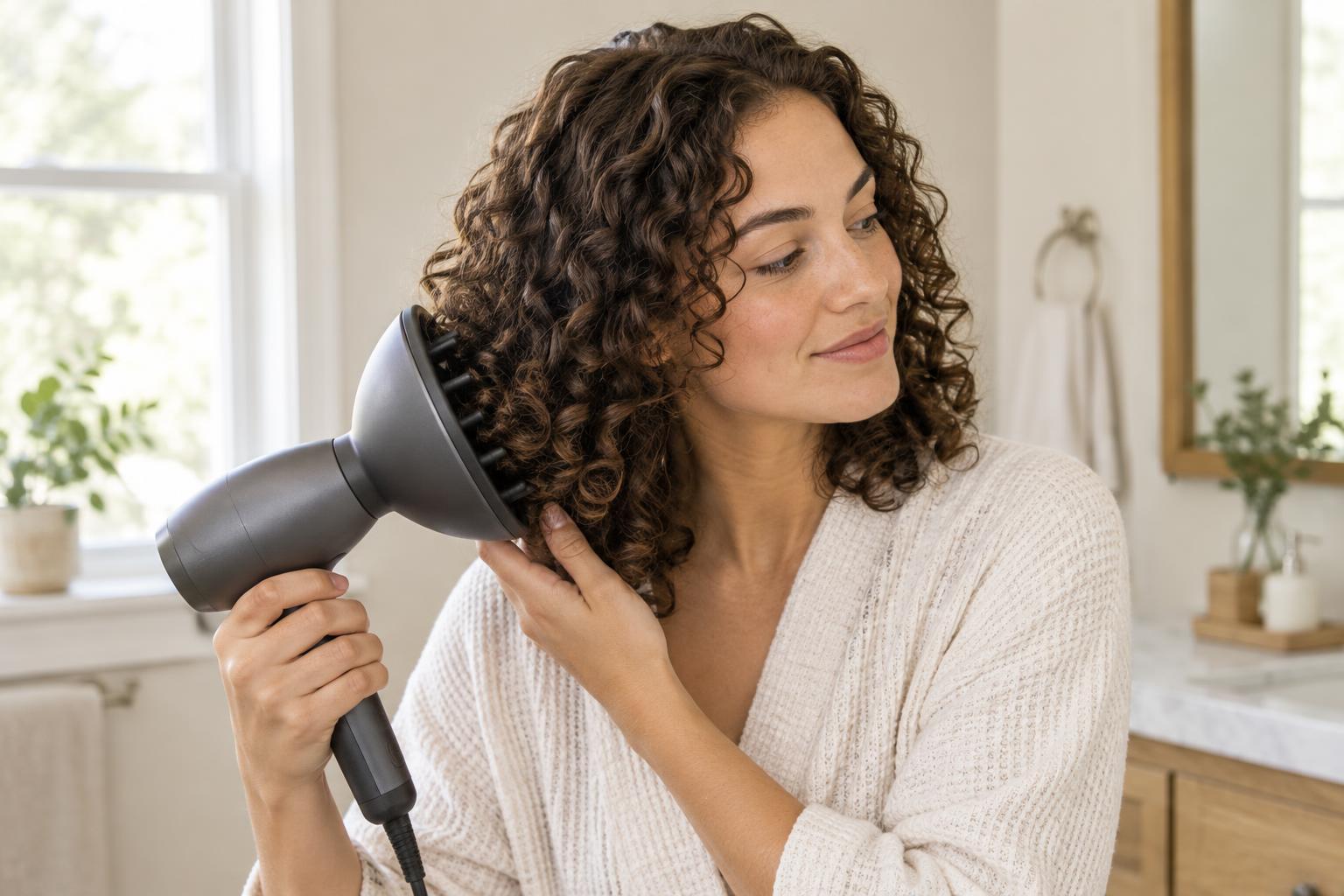
Attach the diffuser securely before turning on the dryer. Start with low airflow and a low or medium heat setting. Strong airflow can scatter loose strands, especially around the hairline and ends. You can adjust the settings once you see how your hair responds, but there is no need to use the hottest setting to get a useful result.
Keep the diffuser at a comfortable distance from your scalp and avoid holding hot air against one spot for a long time. If the air feels uncomfortably hot on your skin, lower the heat or move the dryer farther away. Drying may take patience, particularly with dense hair, so consider alternating between a short diffusing session and a break if your arms or scalp need one.
Hover first, then support the curls
For a gentle start, hover the diffuser near sections of hair without touching them. Aim the airflow around the outside of the curls and toward the roots, moving from area to area rather than waving the dryer back and forth. This gives styling products time to begin setting while the clumps remain largely undisturbed. You can keep your head upright or tilt it slightly to reach underneath.
When the hair has begun to dry, try placing a small section of ends into the diffuser bowl. Lift the bowl slowly toward your head, hold it still for a short interval, then turn the dryer off before lowering it. Switching the airflow off while you reposition can help prevent the moving air from blowing the ends apart. Repeat in sections, using the bowl to support the hair rather than pushing it firmly against your scalp.
Waves that flatten easily may do better with brief lifts and more hovering. Tighter curls may be comfortable sitting in the bowl for longer. Let the response of your own hair guide the technique: if a section becomes fluffy as soon as you lift it, use less movement or wait until it has dried a little more before touching it.
Give the roots attention without roughing up the ends
Roots often stay damp after the lengths begin to feel dry. To reach them, tilt your head and hover the diffuser near the root area, keeping the airflow gentle. Work around your part, the back of your head, and any dense sections. For lift, you can change your head position while drying, but avoid repeatedly raking your fingers through the roots.
If you prefer a flatter, more defined finish, keep your hair close to its usual part and minimize handling. If you prefer volume, briefly tilt to either side or forward as you dry the roots. These choices affect shape more than the dryer attachment alone does, so try one change at a time when refining your routine.
Finish only when the hair is ready
Stop diffusing when your hair is dry enough for your schedule and comfortable to leave alone. It is fine to let the last bit air-dry. If you used a styler that forms a firm cast, wait until the hair feels fully dry before gently scrunching it to soften the finish. Handling a damp cast can break up curl groups before they have settled.
If you notice frizz, look at the process before adding more product. Rubbing with a towel, high airflow, moving the diffuser constantly, or touching the hair while it dries can all disturb the pattern. The simplest adjustment is often to slow down: prepare the clumps, hover, lift in small sections, and leave the finished hair alone.