Start with a smooth, comfortable base
Thin layers work best when foundation can move easily across the skin. Begin with your usual gentle cleansing and moisturizing routine, then give your moisturizer a moment to settle. If you wear sunscreen, apply it according to its directions before makeup. Foundation should not be treated as a substitute for sunscreen. A base that feels comfortable and is no longer noticeably wet is easier to work over than one that is still slippery.
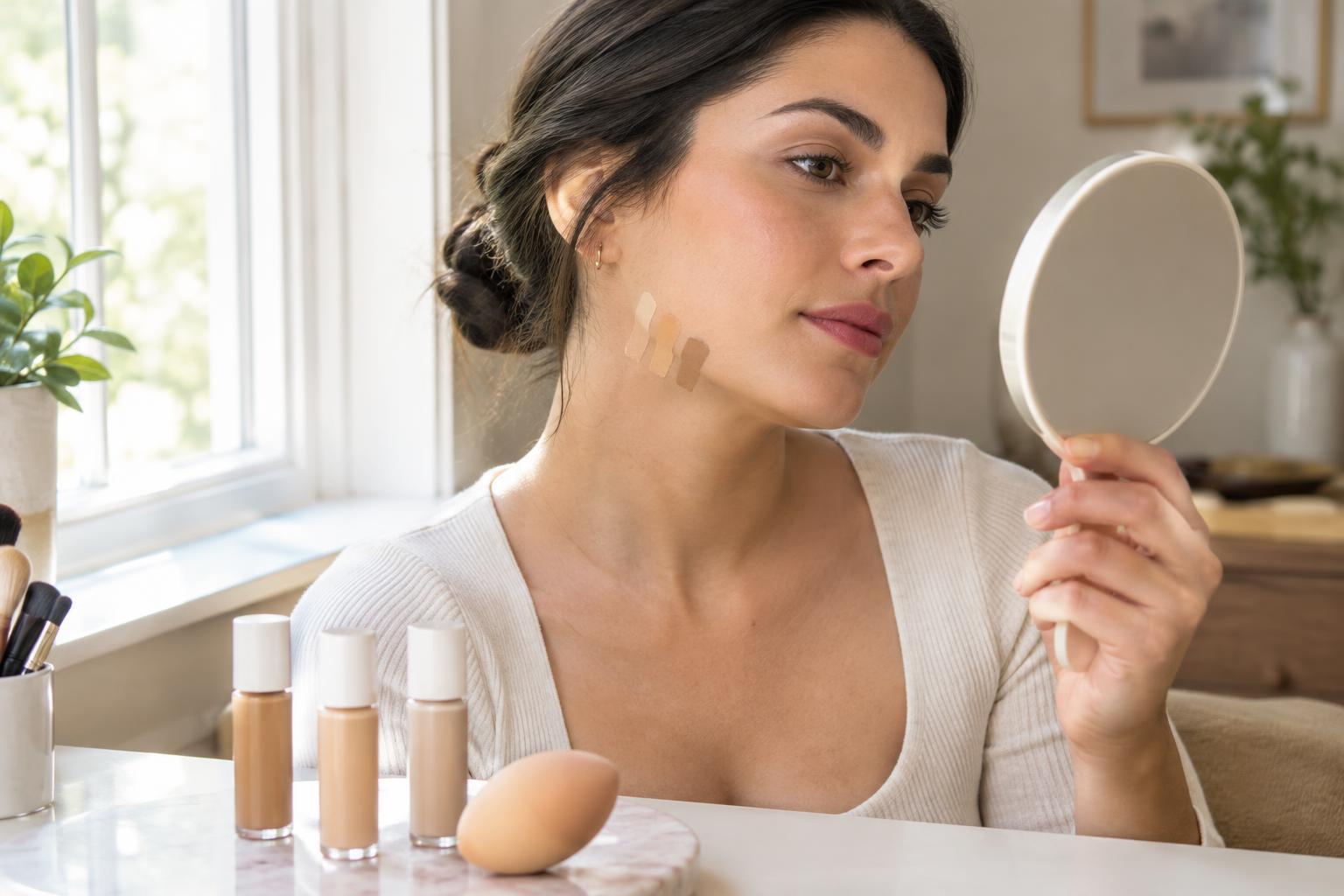
Choose a foundation shade that looks close to your skin in the light where you normally get ready, and check it near the jaw rather than judging it only on your hand. Formula matters, too: a very fluid product may spread quickly, while a thicker one may need smaller starting amounts. There is no single tool required for thin coverage. Clean fingers, a brush, or a sponge can all work; the best choice is one you can use to place and blend a small amount without repeatedly dragging over the same area.
Apply the first layer sparingly
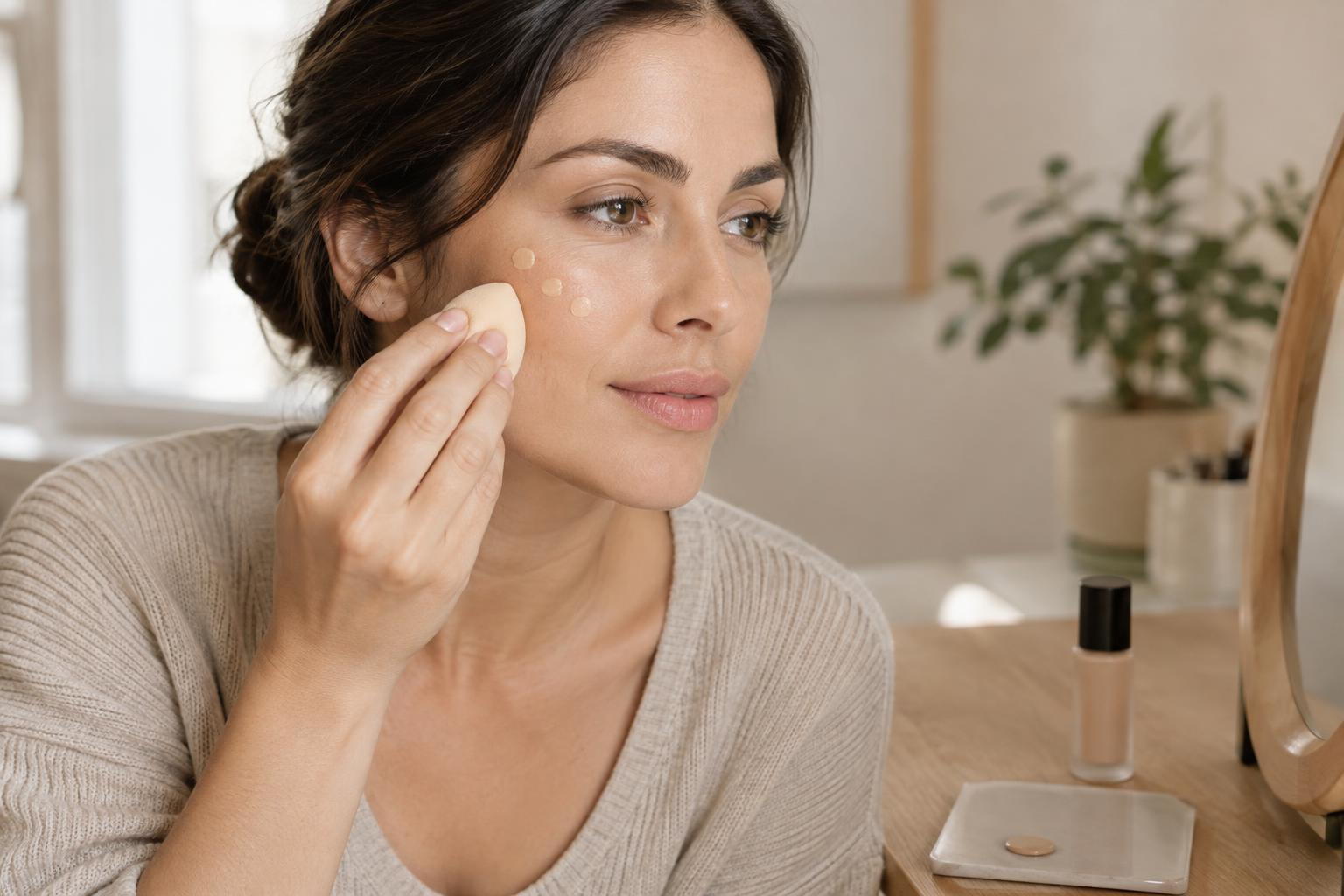
Dispense a modest amount of foundation and pick up only a little at a time. Place it around the center of the face or wherever you most want coverage, then blend outward toward the edges. Keep the pressure light. Rather than trying to cover every feature in one pass, aim to make the first layer look even in tone while allowing your skin to remain visible. You can always add more, but removing excess foundation is harder once it has been spread everywhere.
With a brush, use short, light strokes or gentle stippling to distribute the product. With a sponge, press and bounce it over the skin rather than rubbing. With fingers, tap small amounts into place, then soften the edges. Pay particular attention around the nose, hairline, and jaw, where product can collect or stop abruptly. If your tool begins to leave obvious streaks, there may be too much product on it; blend out what is already there before adding more.
Build coverage only where it helps
After the first layer, pause and look at your face from a normal conversational distance. Decide which areas still need coverage instead of automatically applying a second full-face coat. Add a tiny amount to one area at a time and blend just beyond its edges so it meets the first layer gradually. This keeps the overall finish lighter while giving you more control over uneven-looking spots.
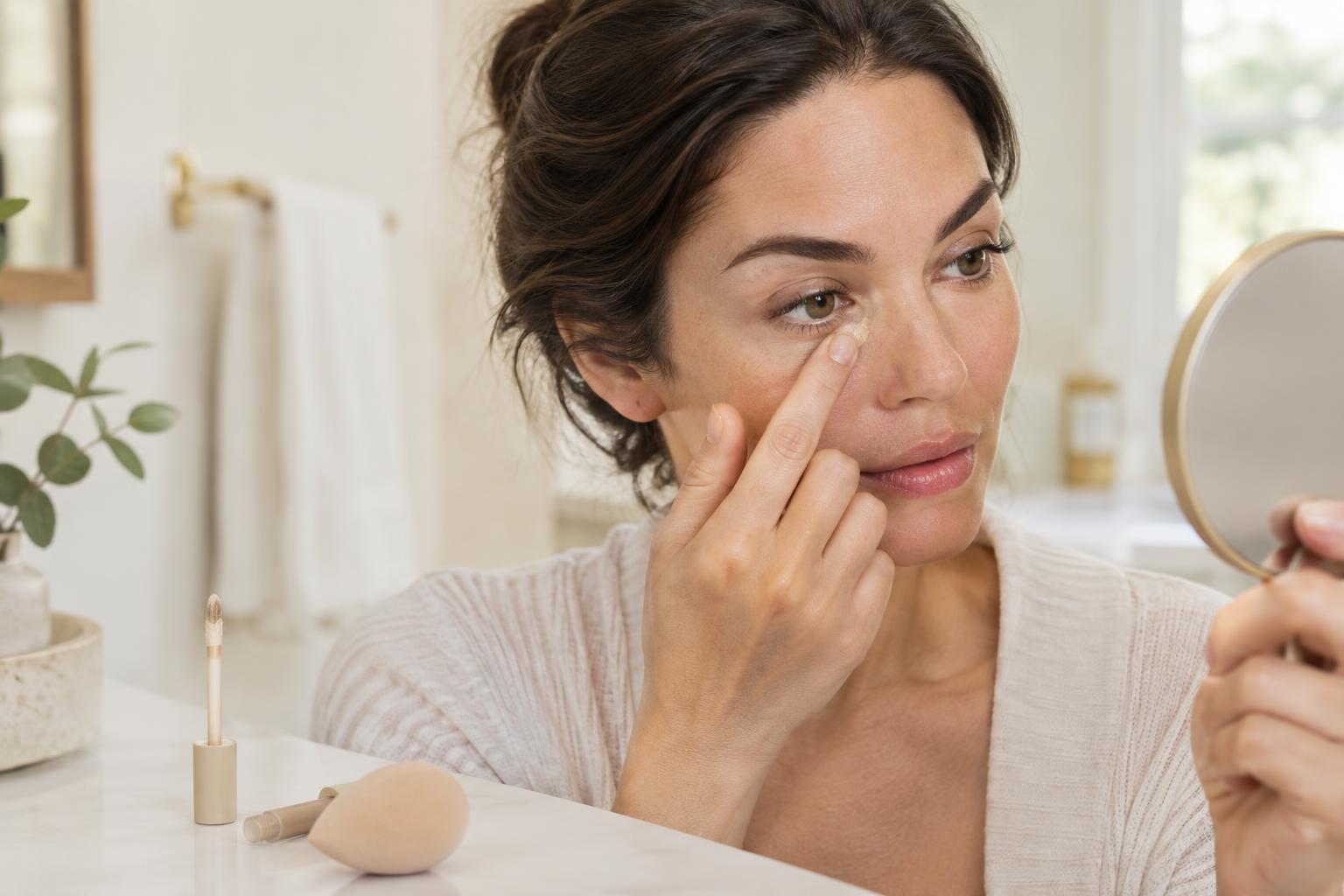
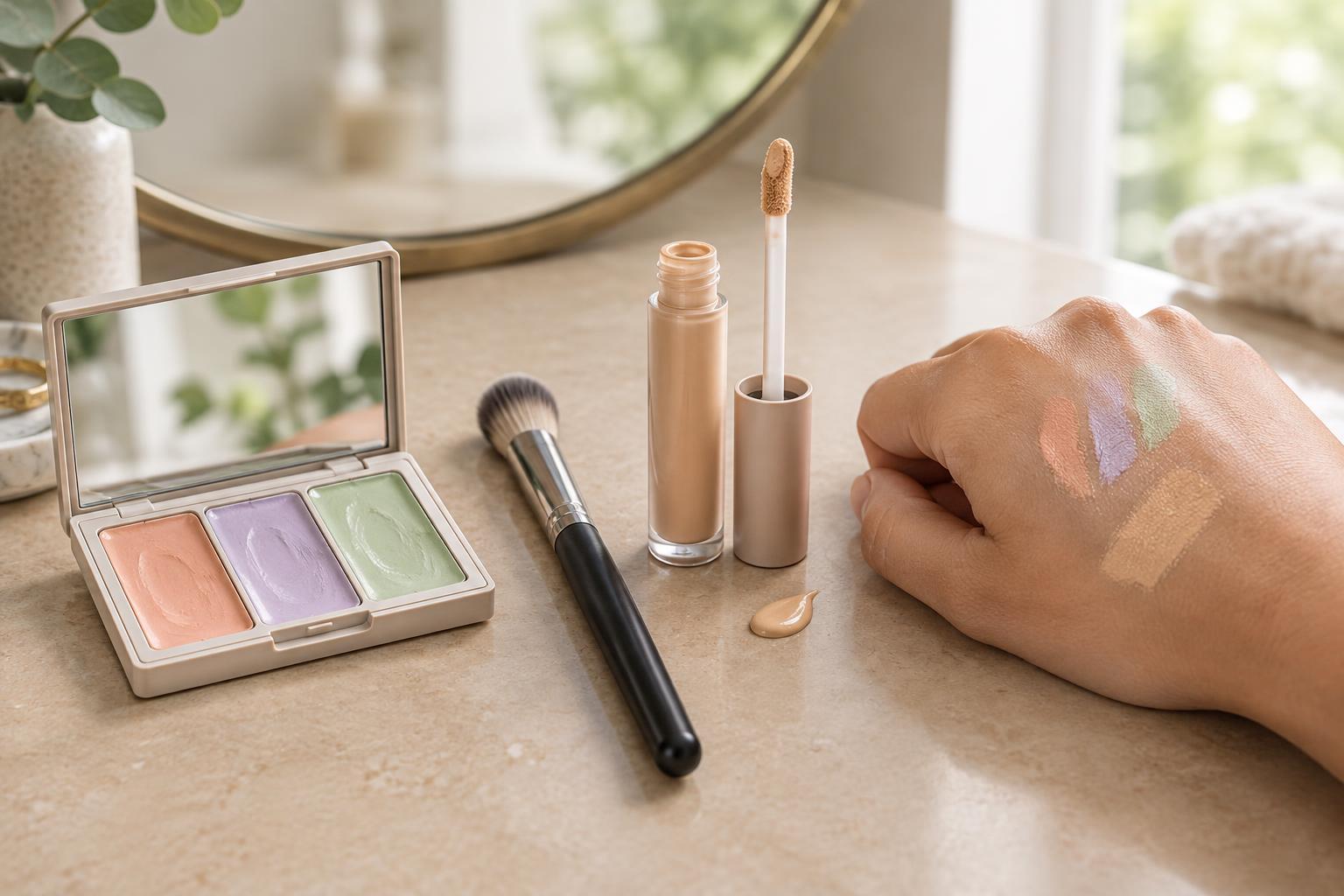
If you want to cover a small, distinct area, a little concealer may be more precise than another layer of foundation. Place it carefully, then tap around the edge without wiping away the center. Under the eyes and around the mouth, use less product than you might expect: makeup can gather where skin moves. The goal is not to erase every natural variation, but to reach a level of coverage you like without making the rest of the face feel coated.
Check the finish before setting
Before reaching for powder, inspect the foundation in more than one angle of light if possible. Look for streaks, visible edges, or areas where product has settled into texture. A clean sponge or brush with very little product on it can soften a heavy patch. If one area looks bare beside another, lightly blend across their boundary rather than adding a large new amount. This short check often makes more difference than another complete layer.
If you use setting powder, apply it selectively. A light application where your makeup tends to shift or appear shiny may be enough; powdering the entire face heavily can change the finish you just built. Press on a small amount, then brush away any obvious excess. If you prefer a dewier look, you may choose to skip powder in areas that already look balanced.
Adjust the method when coverage looks uneven
Patchiness does not always mean you need more foundation. It can happen when the base underneath has not settled, when a tool lifts a previous layer, or when too much product is worked over one spot. Try using less foundation, letting each layer sit briefly, and pressing rather than rubbing as you blend. If your foundation and moisturizer seem to bunch up together, allow more time between steps or try a different combination on another day.
For a heavy-looking result, start the next application with less product and leave areas that need little coverage nearly untouched. For streaks, focus on distributing the first layer more evenly before building. Small adjustments are easier to judge than changing your formula, tool, and routine all at once. With thin layers, the useful question is simple: where would a little more coverage improve the look, and where is the foundation already doing enough?