What the two names actually mean
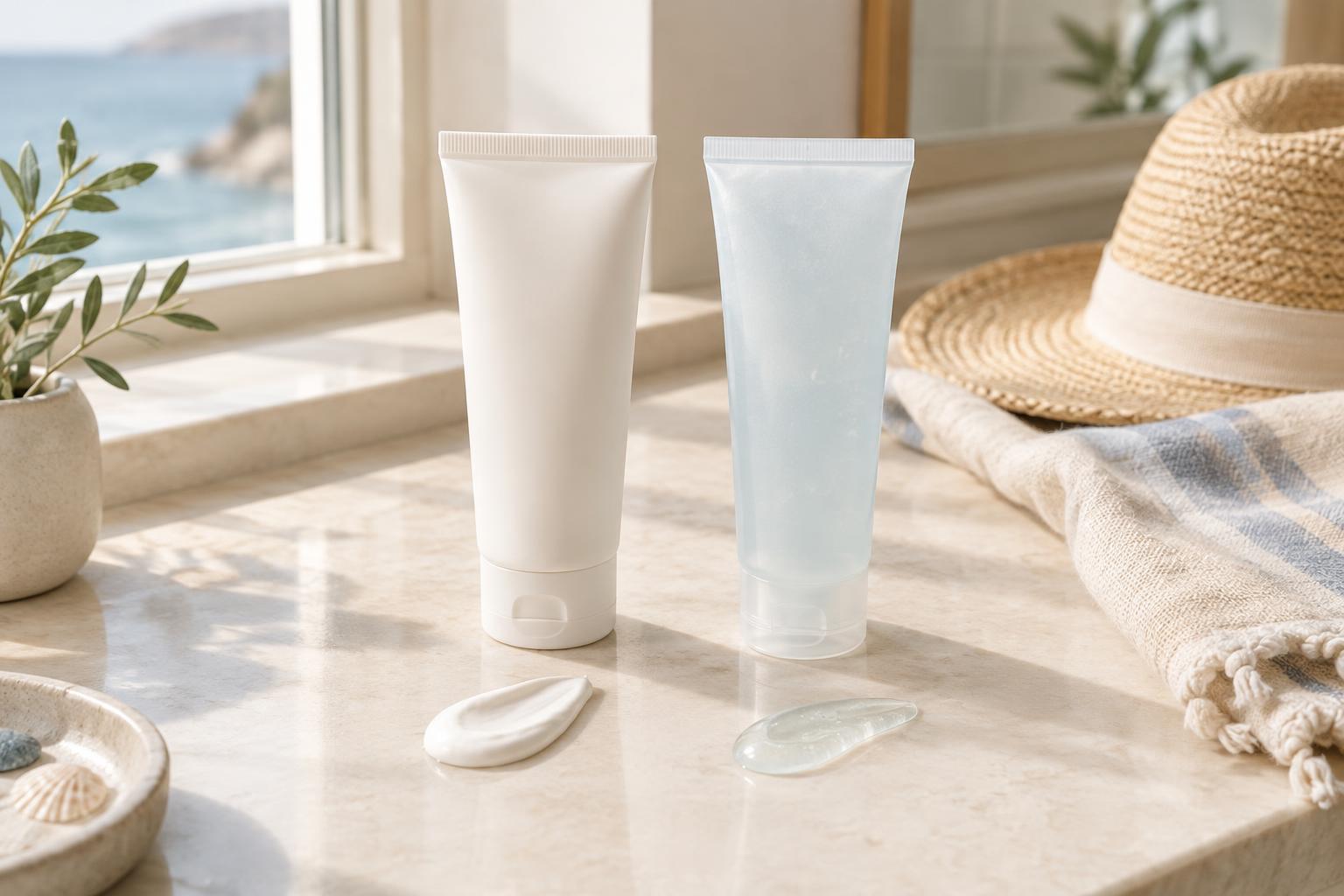
The terms “mineral” and “chemical” describe the ultraviolet (UV) filters in a sunscreen, not whether the rest of the formula is natural or synthetic. Mineral sunscreens use zinc oxide, titanium dioxide, or both. Chemical sunscreens use organic UV filters; “organic” here refers to their chemistry, not an organic-product certification. A formula may also combine mineral and chemical filters.
Both types work by managing UV radiation before it can affect the skin. Chemical filters primarily absorb UV energy. Mineral filters also absorb UV, while reflecting and scattering some of it. The familiar explanation that mineral sunscreen only reflects rays and chemical sunscreen only absorbs them is too simple. For an everyday shopper, the more useful questions are whether the product offers broad-spectrum protection, whether you like wearing it, and whether you can apply it as directed.
Read the protection label before judging the filter
UVB rays are closely associated with sunburn, while UVA rays can contribute to visible skin changes over time. SPF describes protection against UVB under test conditions; it does not, by itself, tell you everything about UVA protection. Look for a sunscreen labeled broad spectrum, and consider SPF 30 or higher for a straightforward daily choice. The filter category alone does not tell you how protective the finished product will be.
Think about where and how you will wear it, too. If you expect to swim or sweat, check the label for water resistance and its stated duration. No sunscreen is waterproof, and a higher SPF does not make one application last all day. Shade, clothing, and a hat can complement sunscreen, especially when you will be outside for an extended period.
How the formulas may look and feel
Mineral sunscreens are often associated with a visible white cast because zinc oxide and titanium dioxide are pale pigments. Modern formulas vary considerably, however. A tinted mineral sunscreen may blend more easily with some skin tones, though a single tint will not suit everyone. Check the shade in natural light if possible, and give the product a moment to settle before deciding how it looks.
Chemical sunscreens are often easier to formulate with a transparent finish, which can be appealing under makeup or on deeper skin tones. That is a tendency, not a guarantee: either type can feel lightweight, rich, sticky, or comfortable depending on the whole formula. Ingredients beyond the UV filters, including moisturizers and film-forming ingredients, influence the finish. The label “mineral” or “chemical” cannot predict whether a sunscreen will pill under your foundation.
Choose for your skin and your routine
If a product stings or feels uncomfortable, you do not have to keep using it just because its filter type sounds right for your skin. Some people prefer mineral formulas around the eyes; others find a particular chemical formula more comfortable. Individual reactions differ, and fragrance, texture, and other ingredients may matter as much as the filters. If your skin is easily bothered by new products, try a small area first and stop using a product that causes discomfort.
Consider the steps that come before and after sunscreen. A rich moisturizer followed by a rich sunscreen may feel heavy, while a lightweight sunscreen might be enough over a simple morning moisturizer for your preferences. If you wear makeup, allow each layer to settle and apply makeup gently so you do not disturb the sunscreen beneath it. The best choice is not the one with the most appealing category name; it is one you can comfortably use in an adequate amount.
Make application the deciding habit
Even a well-chosen sunscreen depends on application. Spread it evenly over exposed skin, including easy-to-miss areas such as the ears, neck, and edges of the face. Follow the product’s directions for how much to use and when to apply it before sun exposure. Using a thin layer to avoid a white cast or greasy feel can leave you with less protection than the label suggests, so it may be worth finding a formula you are willing to apply generously.
Reapply according to the label, commonly every two hours while outdoors and sooner after swimming, heavy sweating, or towel drying. If you wear makeup, a sunscreen format you can realistically reapply may be more useful than one that looks perfect only in the morning. Mineral and chemical filters offer different formulation possibilities, but neither replaces consistent use. Start with broad-spectrum protection, then choose the texture and finish that make that habit easier.