Start with hair that is easy to gather
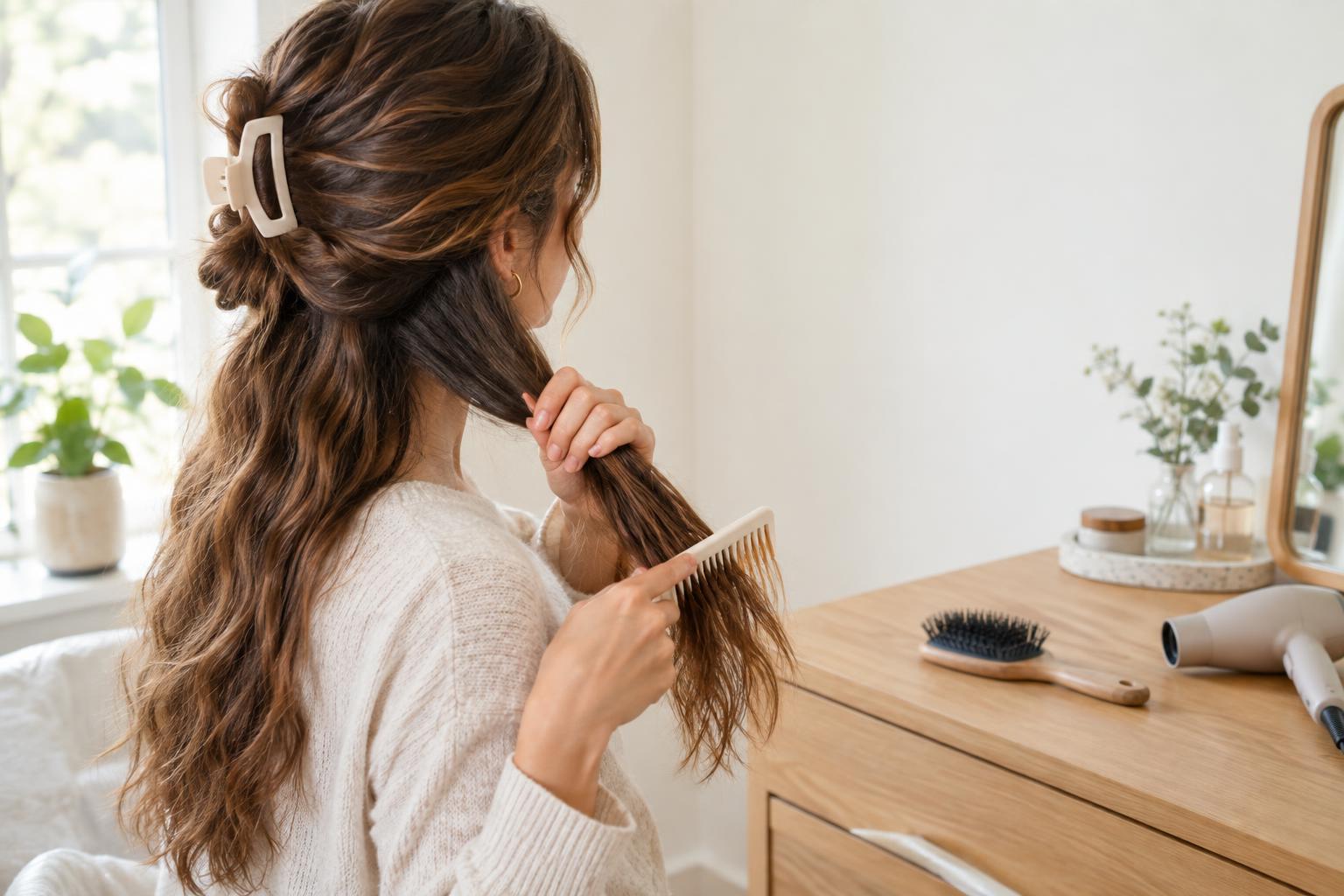
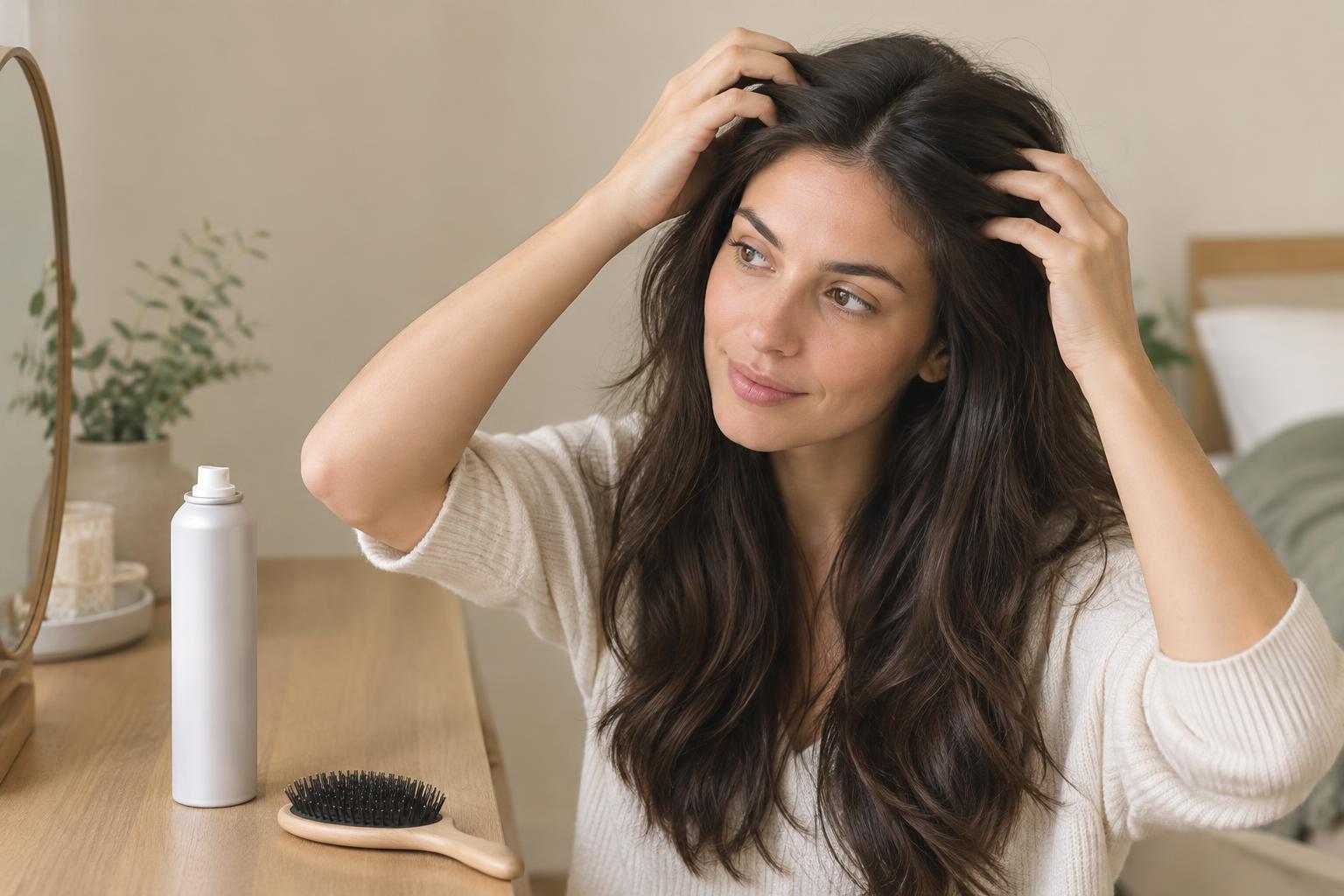
A low ponytail looks smoothest when you can bring the hair together without repeatedly tugging at it. Begin by detangling the lengths and ends, then work upward toward the roots. If a brush catches, pause and loosen the tangle with your fingers rather than pulling through it. Hair does not have to be freshly washed for this style; choose the preparation that makes your own hair manageable.
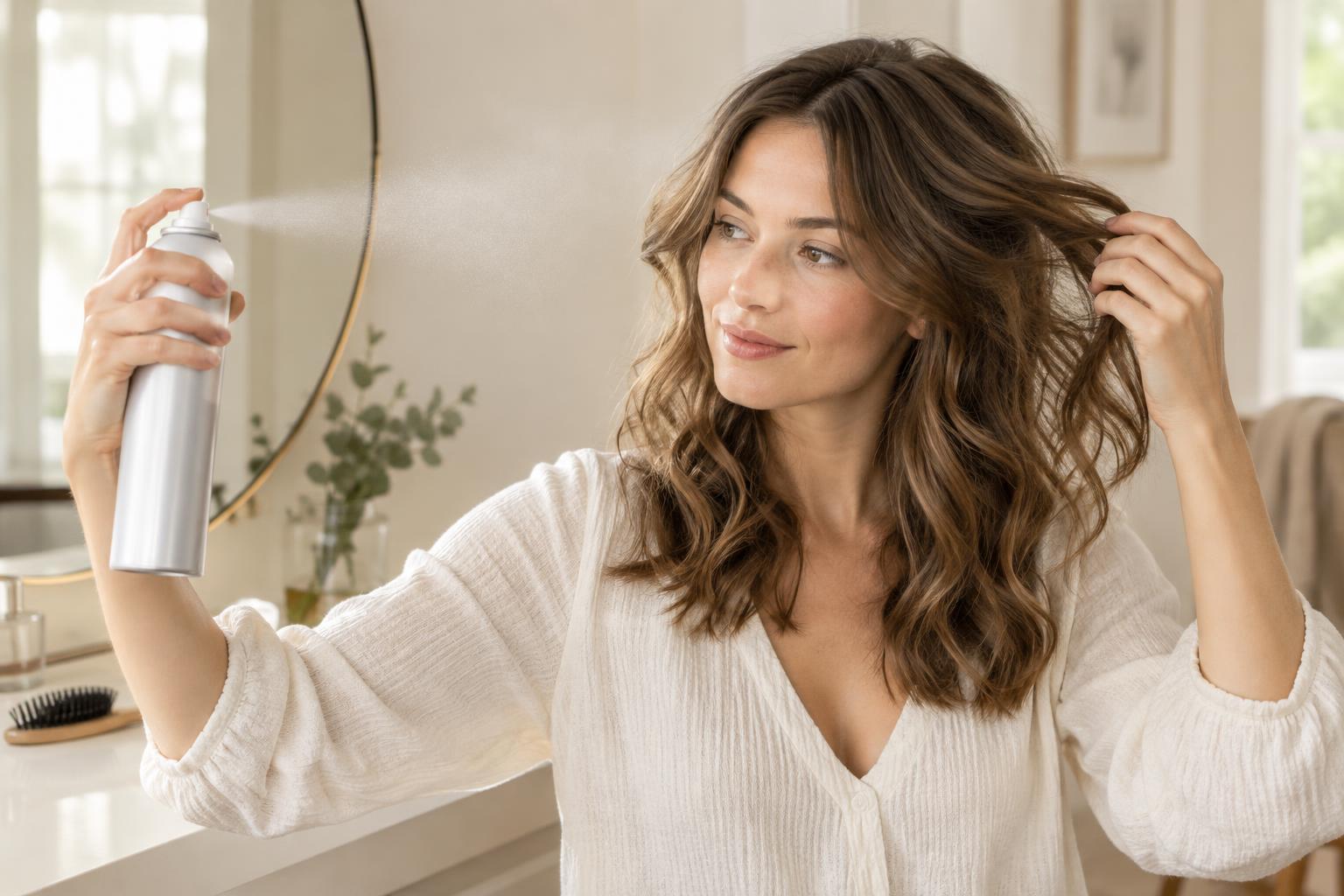
If your hair feels slippery, a small amount of lightweight styling cream or mousse may make it easier to guide into place. If it feels dry or puffy, smooth a little leave-in product over the outer layers and through the lengths. Use less than you think you need at first, especially near the roots, so the ponytail stays flexible rather than looking coated. You can also leave naturally textured hair as it is and focus on creating a tidy outline instead of flattening every strand.
Choose a low position and shape the front
Decide where you want the ponytail to sit before picking up an elastic. The nape of the neck is a useful starting point, but shifting the base slightly higher or lower can change how comfortably the hair falls. Make your part, if you want one, and arrange any face-framing pieces now. Leaving a few shorter strands out can soften the style and reduce the temptation to stretch them back into the elastic.
Gather the hair loosely with your hands and check the shape from the front and sides. For a sleek finish, brush the top and sides toward the base in short, gentle strokes while holding the gathered hair in your other hand. This gives you control over the surface without dragging the brush from hairline to nape in one forceful pass. If a bump appears, release that area slightly and smooth it again instead of tightening the whole ponytail.
Secure the ponytail without straining the roots
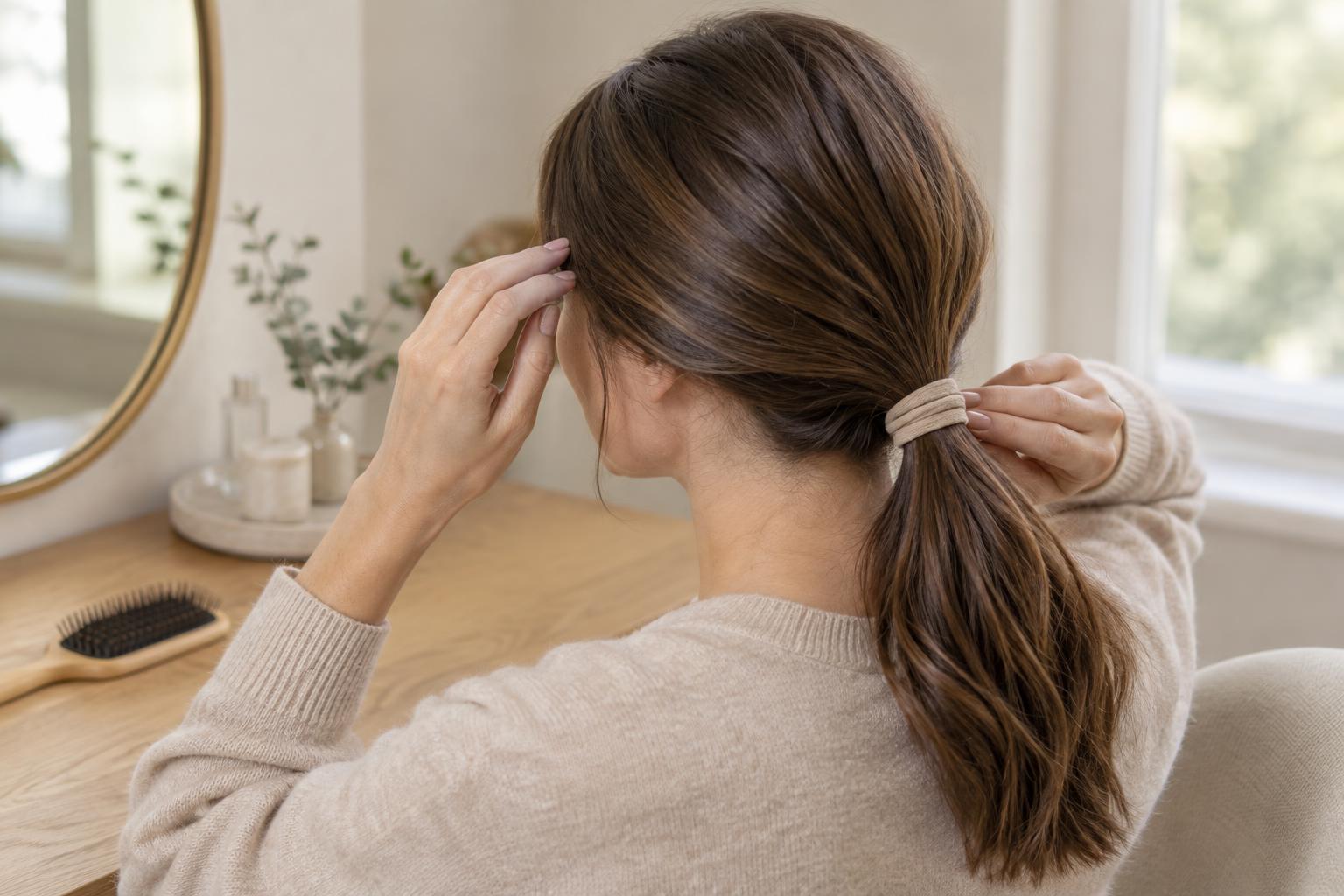
Use an elastic that grips your hair without requiring many tight wraps. A fabric-covered elastic or soft hair tie can be comfortable, though the best choice depends on your hair’s thickness and texture. Hold the ponytail close to the nape as you wrap the elastic. It should feel secure when you move your head, not as though it is drawing your scalp backward.
After securing it, relax your hands and notice how the style feels. If the hair at your temples, hairline or crown feels stretched, gently ease small sections forward with your fingertips. You can also remove the elastic and regather the hair with a little more slack. Avoid pulling the two halves of the ponytail apart to tighten the base: that move can undo the comfortable fit you just created. A slightly softer shape often looks polished once the surface is smoothed.
Tidy the surface with a light touch
For flyaways, put a small amount of styling product on your fingertips or a clean brush and skim it over the hair’s surface. Concentrate on strands that stand away from the style rather than pressing down the entire top. A little product on a small brush can help guide shorter hairs near the part or ears. Keep brushing gentle so you do not disturb the comfortable amount of slack around the hairline.
If you want to hide the elastic, take a narrow piece of hair from beneath the ponytail, wrap it loosely around the base and fasten its end with a pin. Skip this step if the wrap makes the base feel bulky or tight. For a smoother tail, brush through its lengths and, if needed, add a small amount of product to the ends. The goal is a neat overall shape, not a perfectly motionless finish.
Make comfort the final check
Turn your head, look down and move as you normally would. If the ponytail shifts a little but stays in place, you may not need to tighten it. If it slips, try a different elastic or move the base slightly rather than pulling harder at the front. Hairpins can also hold a short side layer near the ponytail without forcing that layer into the tie.
A low ponytail is easy to adjust during the day. If it begins to pull, take it down and put it back up more loosely instead of working around the discomfort. When you remove the style, unwind the elastic gently rather than dragging it through the hair. Those small choices help keep an everyday polished look simple to wear.