Start with skin prep, not makeup
A useful makeup order begins with a clean, comfortable face. If you normally use moisturizer, apply it first and give it a moment to settle before adding makeup. Use sunscreen as part of your daytime skincare routine, following the product’s directions. Primer is optional: it can help create a particular finish or give makeup a smoother-feeling surface, but you do not need one to get started.
Think of application order as a way to avoid disturbing work you have already done, rather than a strict set of rules. Liquid and cream products are often easier to blend before powder products. If a product lifts or looks patchy when you layer over it, try using less, allowing the earlier layer to settle, or changing the order next time.
Apply your base in thin layers
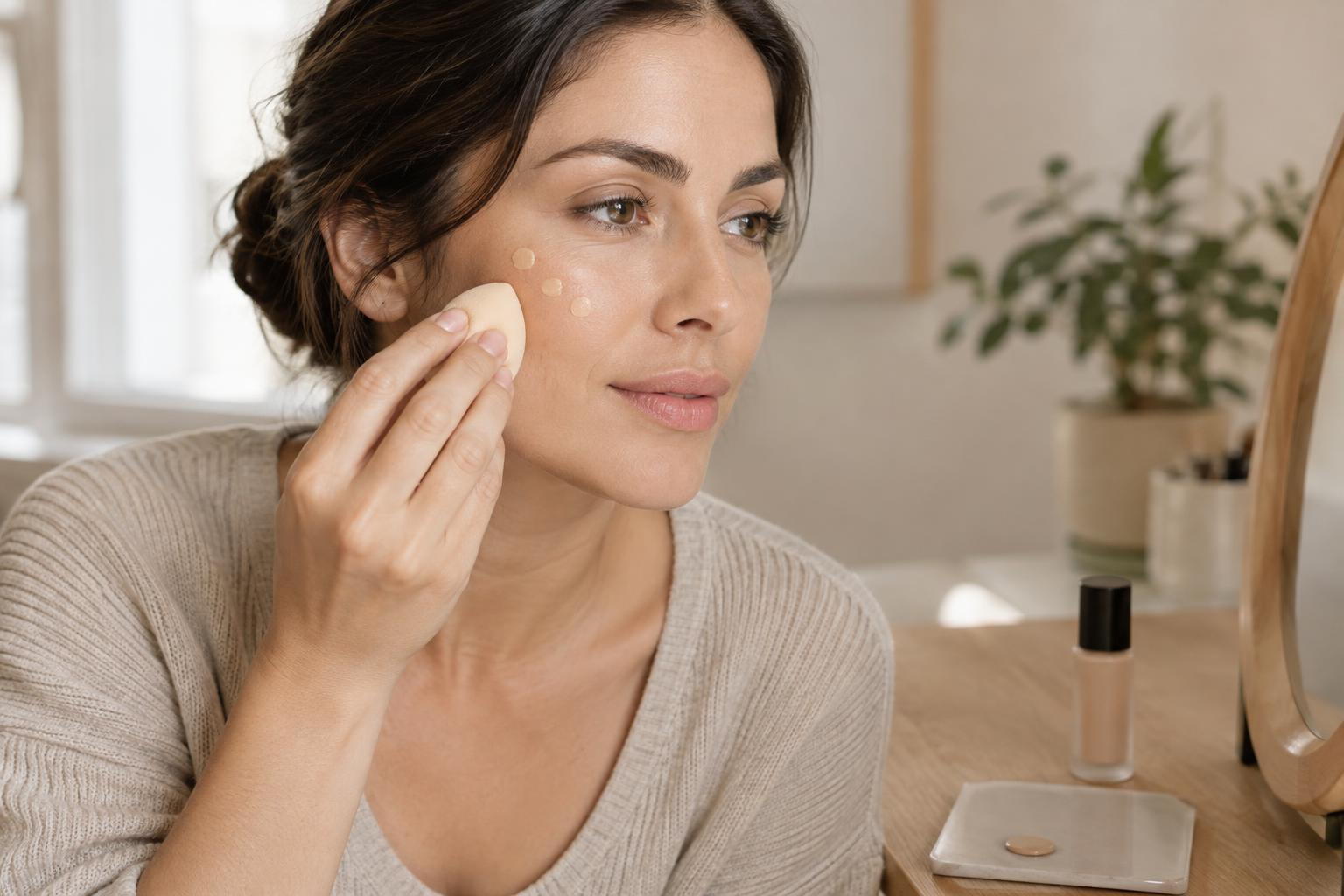
If you use foundation or a skin tint, apply a small amount first and blend outward from the areas where you want the most coverage. A brush, sponge or clean fingers can all work; choose whichever gives you the finish you like. You can leave parts of your face uncovered. A base does not have to look identical everywhere to look cohesive.
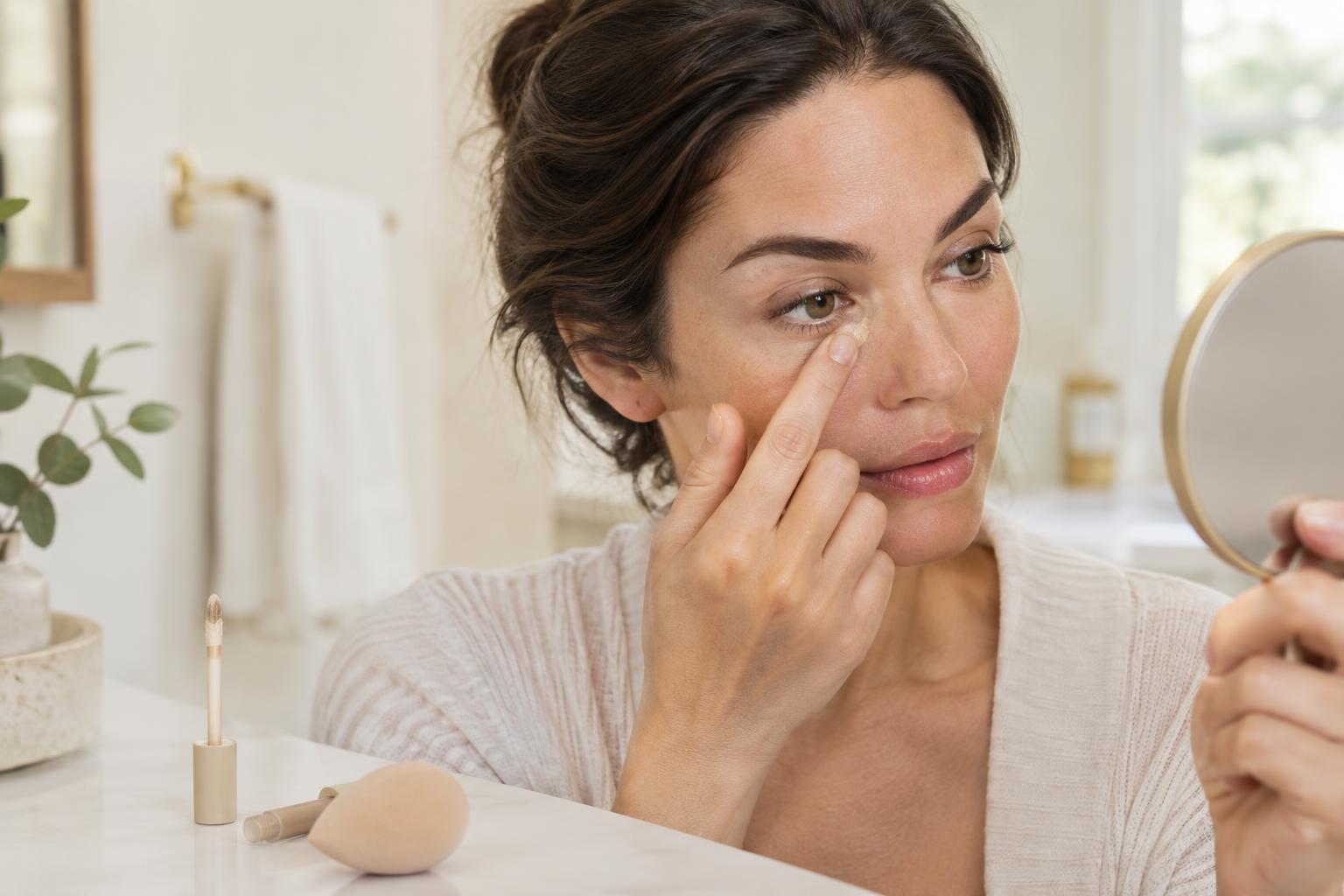
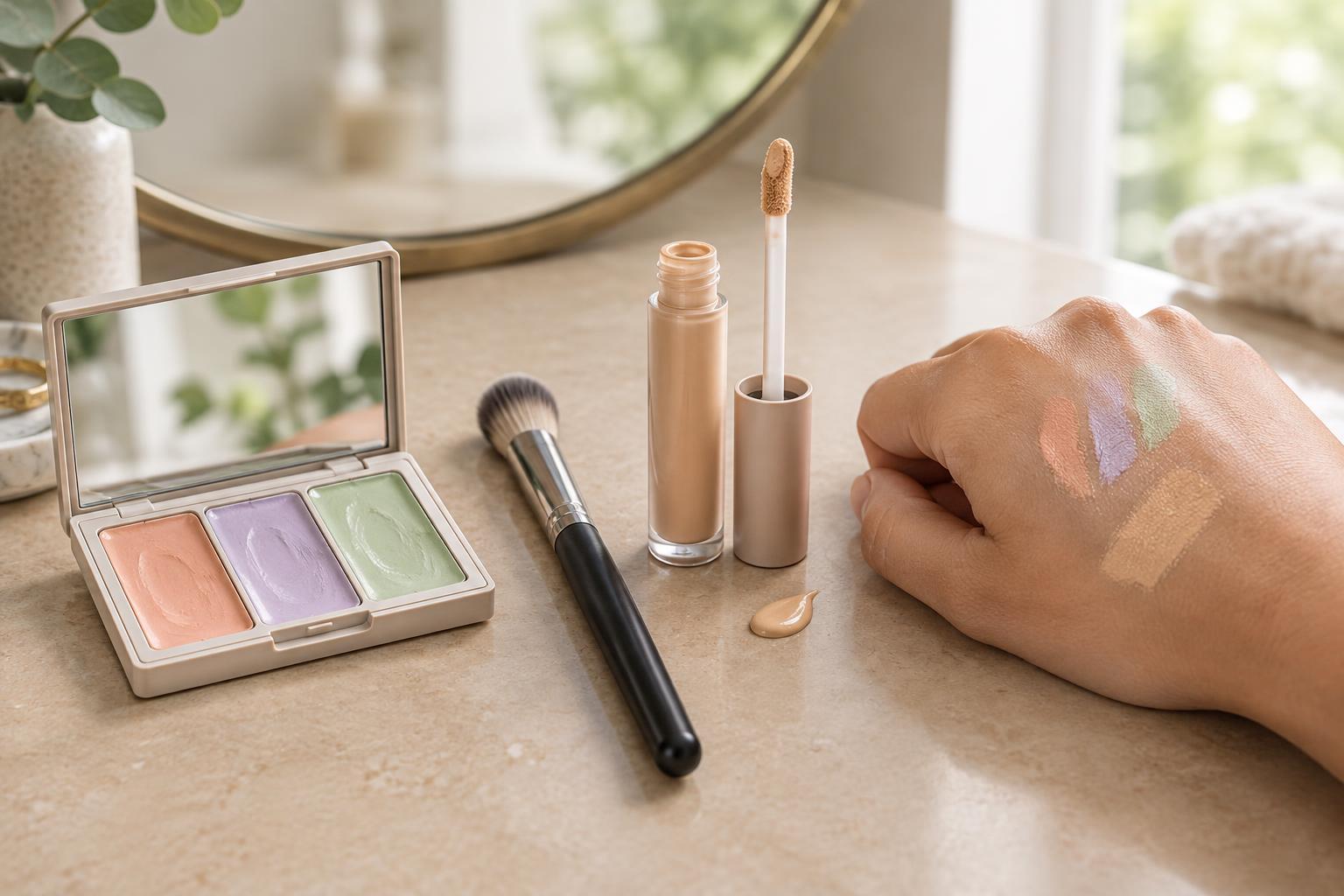
Concealer usually comes next so you can see what still needs coverage after your base. Dab a little where you want it, then blend the edges without repeatedly rubbing over the center. If you only want to conceal a few areas, you can skip foundation entirely. For under-eye makeup, start with a small amount and add more only if needed.
Powder can wait until you have finished any cream or liquid cheek products. When you do use it, focus on areas where you want less shine or where makeup tends to move. A light application is easier to adjust than a heavy one, and you do not need to powder your whole face.
Add color and shape to the cheeks
Blush, bronzer and highlighter are all optional. Blush adds color, bronzer adds warmth, and highlighter draws attention with a reflective finish. If yours are creams or liquids, try applying them after your base and before setting powder. Tap or gently blend them on so you do not drag the base underneath. If yours are powders, apply them after any face powder.
Start with less product than you think you need, especially with a new shade. Place blush where you like the look of color on your face, then blend its edges. Bronzer can go on areas where you want warmth, while highlighter can be limited to one or two spots you want to emphasize. You can use just one of these products—or none of them.
Do brows and eyes in the order that works for you
For a simple everyday look, brows can come before eyeshadow. Brush the hairs into place, then add pencil, powder or gel only where you want more definition. Light, short strokes can be easier to control than drawing one solid line. Eyeshadow can follow: begin with one shade across the lid, and add a second shade only if you want more depth.
Eyeliner and mascara generally come after eyeshadow so they stay visible and are less likely to be covered by it. Let mascara dry before making adjustments nearby. If you plan to use a dark or sparkly eyeshadow that may fall onto your cheeks, consider doing your eye makeup before your base. You can then wipe away any stray shadow without disturbing foundation or concealer.
Finish with lips and make small adjustments
Lip color is an easy final step. Lip balm can go on earlier while you do the rest of your makeup; if your lips feel slippery when you are ready for color, blot off the excess. Lip liner can define an edge before lipstick or gloss, but it is not required. Apply your chosen product, then check whether you want to soften or sharpen any edges.
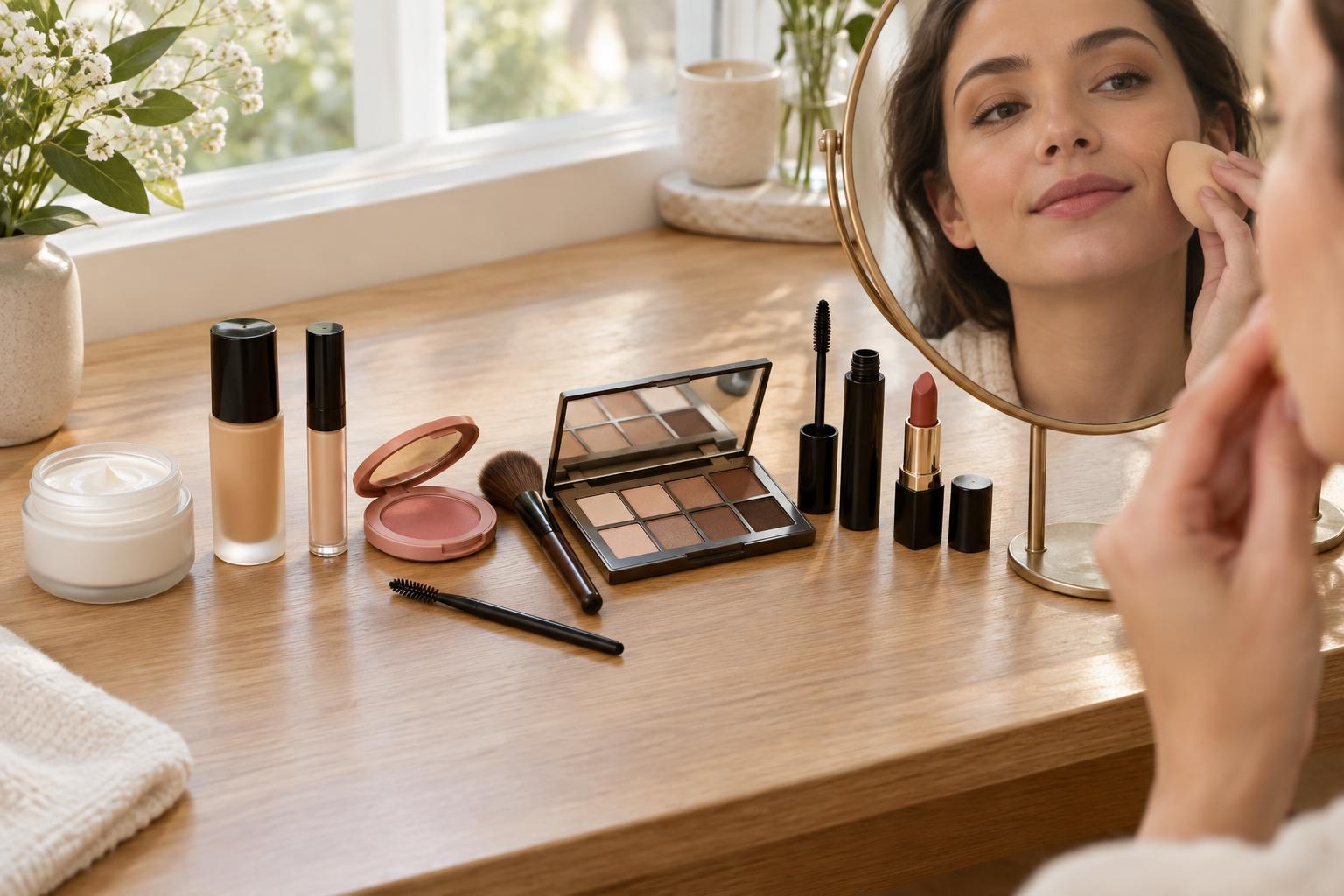
Before you finish, look at your makeup in the lighting you will spend time in if possible. Blend any visible lines, remove stray mascara marks once dry, and add a little powder only where you want it. Setting spray is optional and should be used according to its label. The simplest order to remember is prep, base, cream cheek products, powder products, brows and eyes, then lips—adjusted whenever a different sequence makes your own products easier to apply.