Start with the format, then check the formula
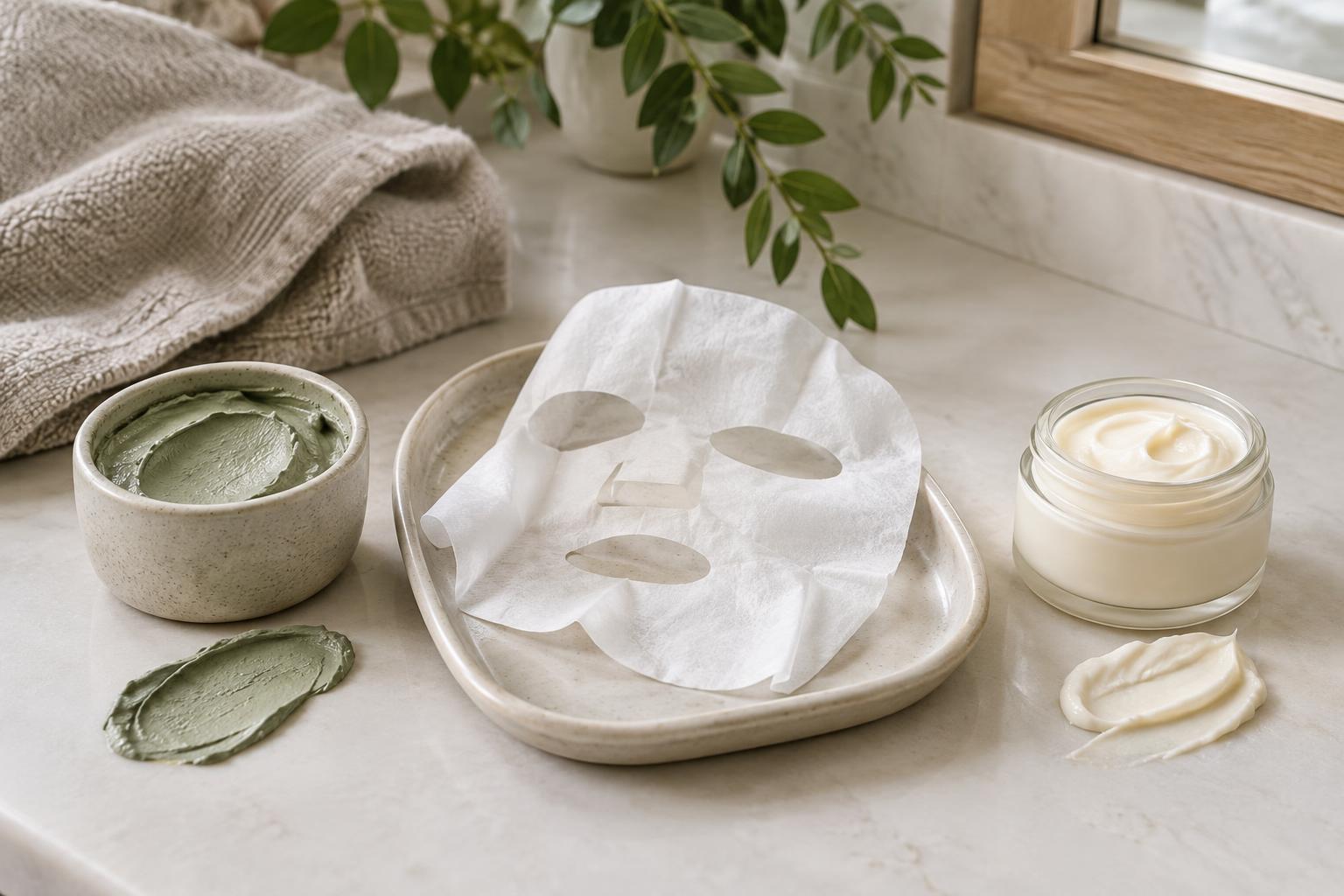
A face mask is a short step added to a skincare routine, not a replacement for cleansing, moisturizing or daily sun protection. Clay, sheet and cream masks differ most clearly in how they sit on the skin and how they are removed. Clay masks usually dry and rinse off. Sheet masks are fabric or similar material soaked in liquid and lifted away after use. Cream masks spread like a rich moisturizer and may be rinsed off or left on, depending on their directions.
Those formats offer useful clues, but they do not tell you everything a mask will do. A clay formula might include moisturizing ingredients; a sheet mask might contain a strongly fragranced liquid; and a cream mask might include exfoliating ingredients. Read the label for the intended use, timing and removal method. Your skin’s comfort matters more than the idea that one format is right for an entire skin type.
Clay masks: for a less oily surface feel
Clay masks are commonly chosen when skin feels oily or looks shiny. As the product sits on the face, the clay can absorb some surface oil, leaving skin feeling less slick after rinsing. This can make clay a practical option for areas such as the forehead, nose and chin. It is not necessary to cover your whole face if only a few areas feel oily.
Apply a thin, even layer to clean skin and follow the product’s stated timing. Leaving a clay mask on until it feels tight or cracks is not a requirement; that sensation can be uncomfortable, particularly on drier areas. Rinse gently with lukewarm water rather than scrubbing, then apply moisturizer. If your skin feels persistently tight afterward, try using the mask for less time, applying it to a smaller area or choosing a gentler formula.
Sheet masks: for a quick layer of hydration
A sheet mask holds a liquid formula against the skin for a set period. Many are designed to leave skin feeling hydrated and temporarily more supple. They can be convenient when you want a ready-to-use product without rinsing, though the fit may take some adjusting around the eyes, nose and mouth. A sheet mask’s cooling feel can also make the step pleasant, but a cool sensation alone does not indicate a lasting result.
Place the sheet on clean skin, smooth out large folds and remove it when the directions say to. More time is not necessarily better, especially if the sheet begins to dry. After removal, you can gently spread any comfortable remaining liquid over the face; you do not need to use every drop in the packet. Follow with moisturizer if your skin needs it. If the liquid stings or leaves skin uncomfortable, remove the mask and rinse it off.
Cream masks: for a richer, softer finish
Cream masks generally have a thicker, more cushioning texture than the liquid in a sheet mask. Many are intended to help skin feel softer and less dry, making them appealing when a lightweight moisturizer does not feel quite sufficient. Some are wash-off products used for a brief session; others are designed to remain on the skin, sometimes as the last step of an evening routine. The packaging should make that distinction clear.
Use enough product to form an even layer without assuming that a very thick coating will work better. For a rinse-off mask, remove it as directed and add moisturizer if needed. For a leave-on mask, consider how it fits with the rest of your routine: layering it over several rich products may feel heavy, while using it in place of your usual evening moisturizer may be simpler. If it feels greasy or uncomfortable, a lighter application may suit you better.
Choose one that fits your routine
Pick a mask for the experience and finish you want. Clay is a reasonable starting point for occasional surface oiliness; a sheet mask suits a brief, no-rinse hydration step; and a cream mask suits someone who prefers a richer texture. None is essential, and using all three is not a requirement for balanced skincare. A basic routine that feels comfortable is more useful than adding steps simply because they are available.
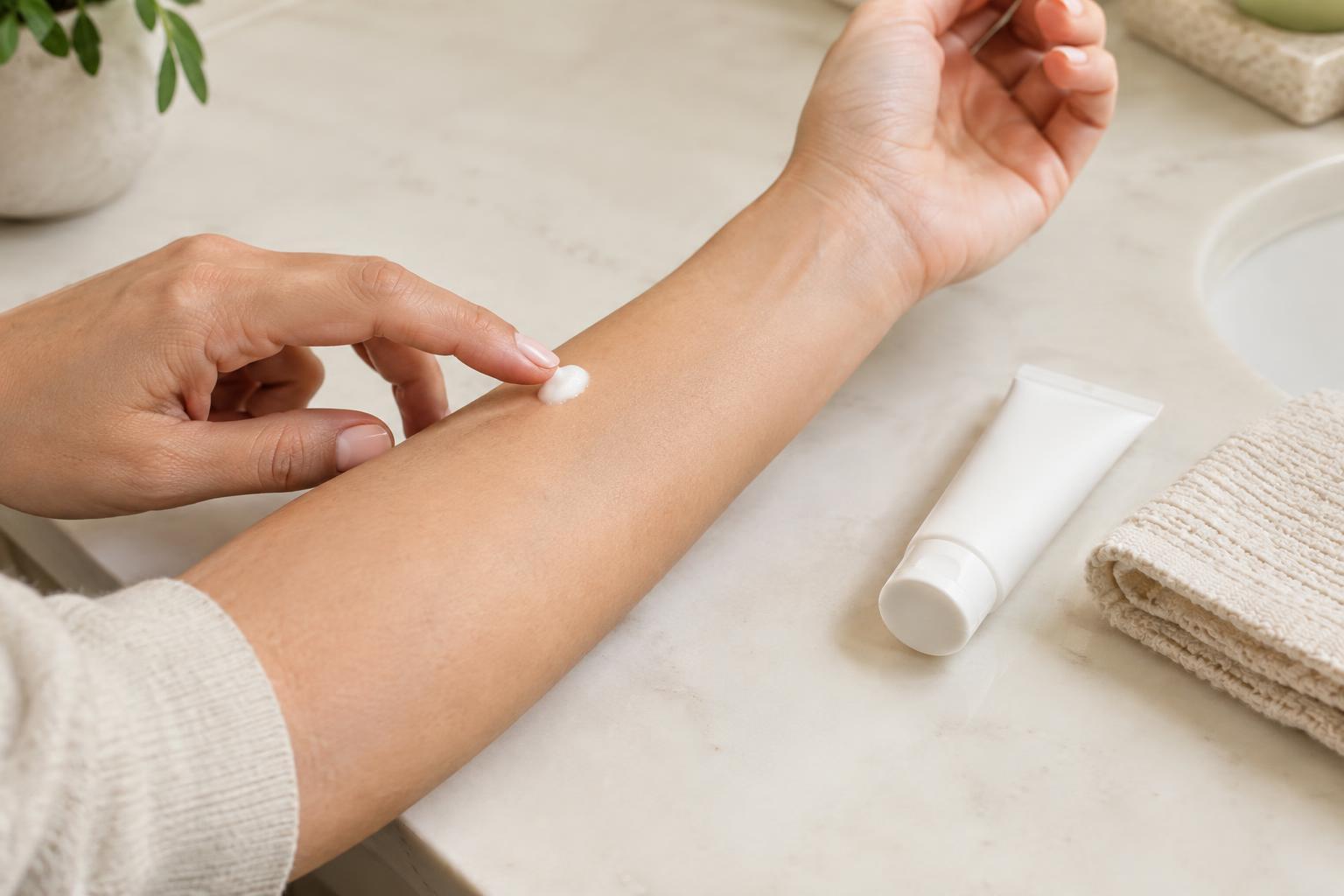
When trying a new mask, use it according to the label and avoid combining several unfamiliar products in the same session. If your skin is easily irritated, consider testing a small area first and look closely at added fragrance or exfoliating ingredients rather than judging by format alone. Pay attention to how your skin feels afterward: comfortable skin is a better guide for future use than the promise of a dramatic overnight change.