What exfoliation does
Exfoliation removes some of the dead skin cells at the surface of the skin. It can make skin feel smoother and help makeup sit more evenly. It is an optional step, though: a routine can be complete with just a cleanser, moisturizer and daytime sun protection. More exfoliation does not automatically mean better-looking skin.
The simplest distinction is how the product works. Physical exfoliation uses a surface, such as a soft cloth or small particles, to lift cells through rubbing. Chemical exfoliation uses ingredients that loosen the bonds holding surface cells together. Despite the name, a chemical exfoliant does not need to feel harsh to work. Both methods can be gentle or irritating, depending on the product and how it is used.
Physical exfoliation: control the pressure
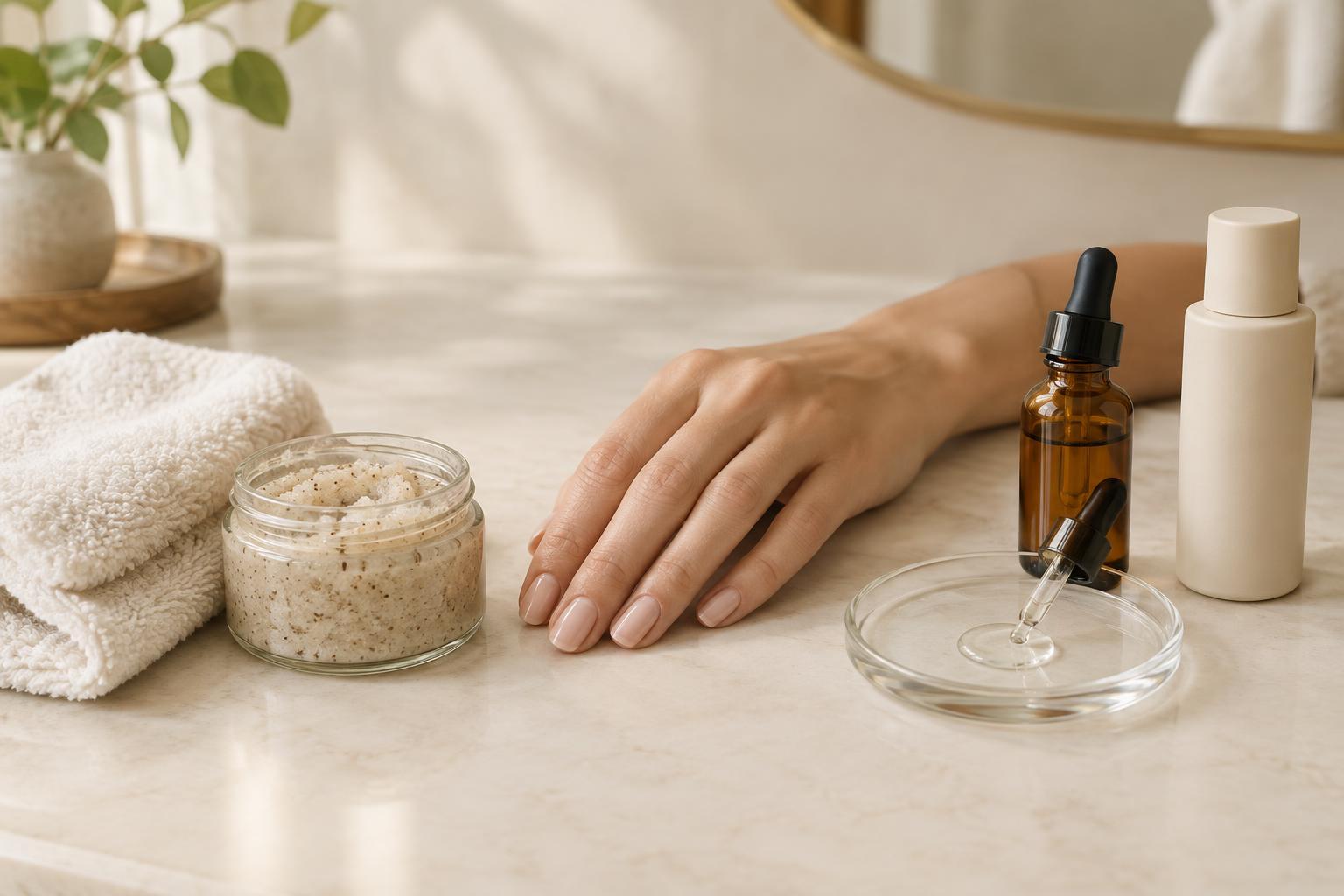
Physical exfoliants include washcloths, reusable pads and facial scrubs. Their appeal is straightforward: you can feel the action and stop rubbing whenever you want. A soft cloth used lightly may be enough for someone who prefers a simple, occasional step. A scrub’s feel depends on its particles and base; a gritty texture is not a sign that it is more effective.
Pressure matters as much as the tool. Vigorous scrubbing, repeated passes over the same area or use on already uncomfortable skin can leave the face feeling tight or tender. If you try a physical exfoliant, use a light touch and follow the product’s directions. There is no need to scrub until skin feels squeaky clean.
Chemical exfoliation: understand the label
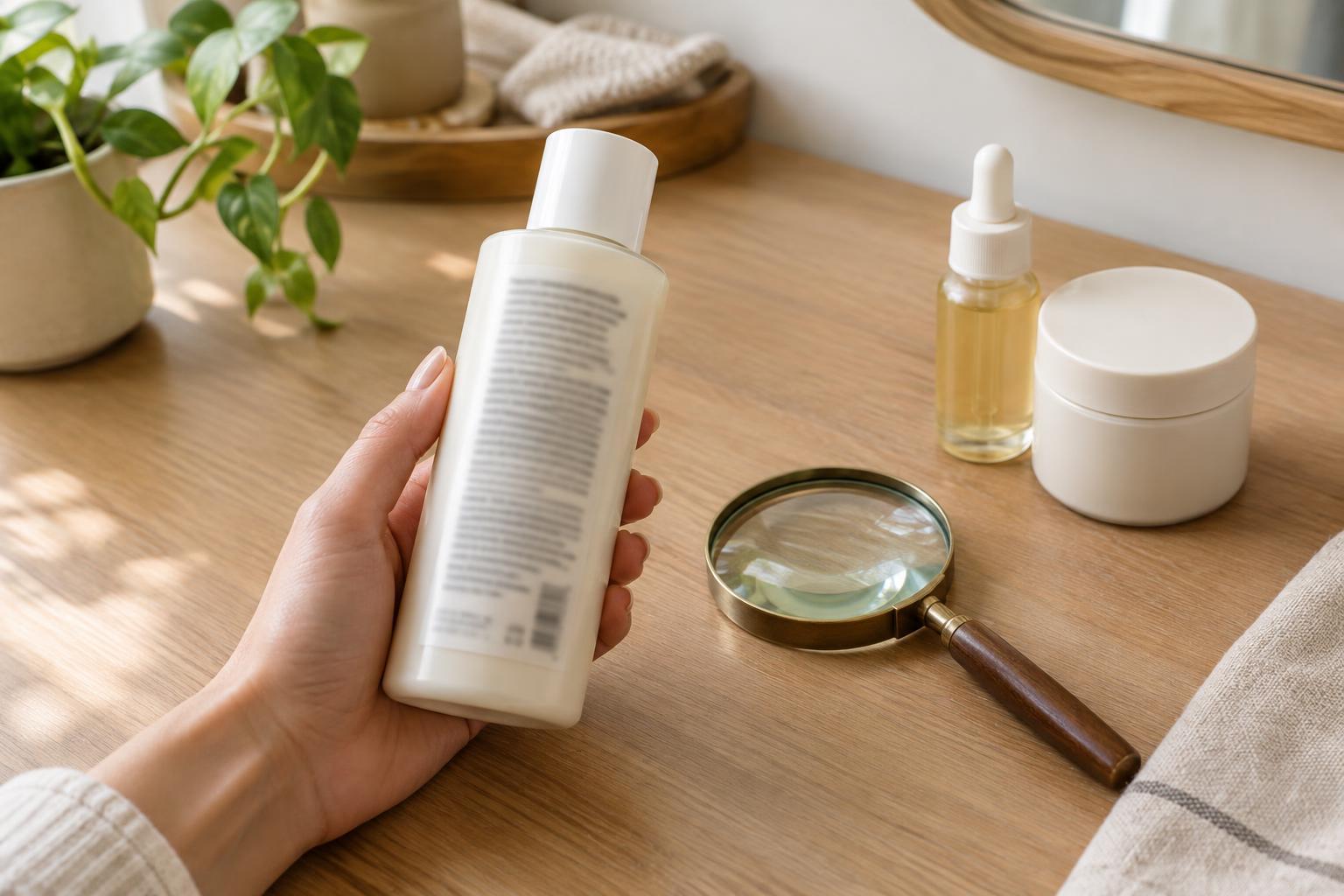
Common label terms include alpha hydroxy acids (AHAs), such as lactic or glycolic acid, and beta hydroxy acid (BHA), often listed as salicylic acid. You may also see polyhydroxy acids (PHAs). These ingredients appear in toners, serums, cleansers and other formats. The name of an acid alone cannot tell you how strong a finished product will feel; its concentration, formulation and directions also matter.
Unlike a scrub, a chemical exfoliant may not give much immediate sensation. Tingling is not proof that it is working, and discomfort is not something to push through. For a beginner, a product with clear instructions and one main exfoliating approach is easier to fit into a routine than several overlapping acid products.
How to choose a starting point
Choose based on the routine you can use gently and consistently, rather than on which category sounds stronger. If you like a brief, hands-on step, a soft cloth may suit you. If you would rather avoid rubbing, a mild chemical exfoliant may be more appealing. Neither type is universally best for a particular skin type, and you do not need to use both.
Start with one exfoliating product and use it less often than its maximum permitted frequency while you learn how your skin responds. Apply it as directed, then keep the rest of that routine simple. Check other products for exfoliating acids or scrub particles so you do not accidentally layer similar steps. If skin feels persistently dry, stings or looks irritated, pause exfoliation and return to a basic routine.
Keep the rest of the routine supportive
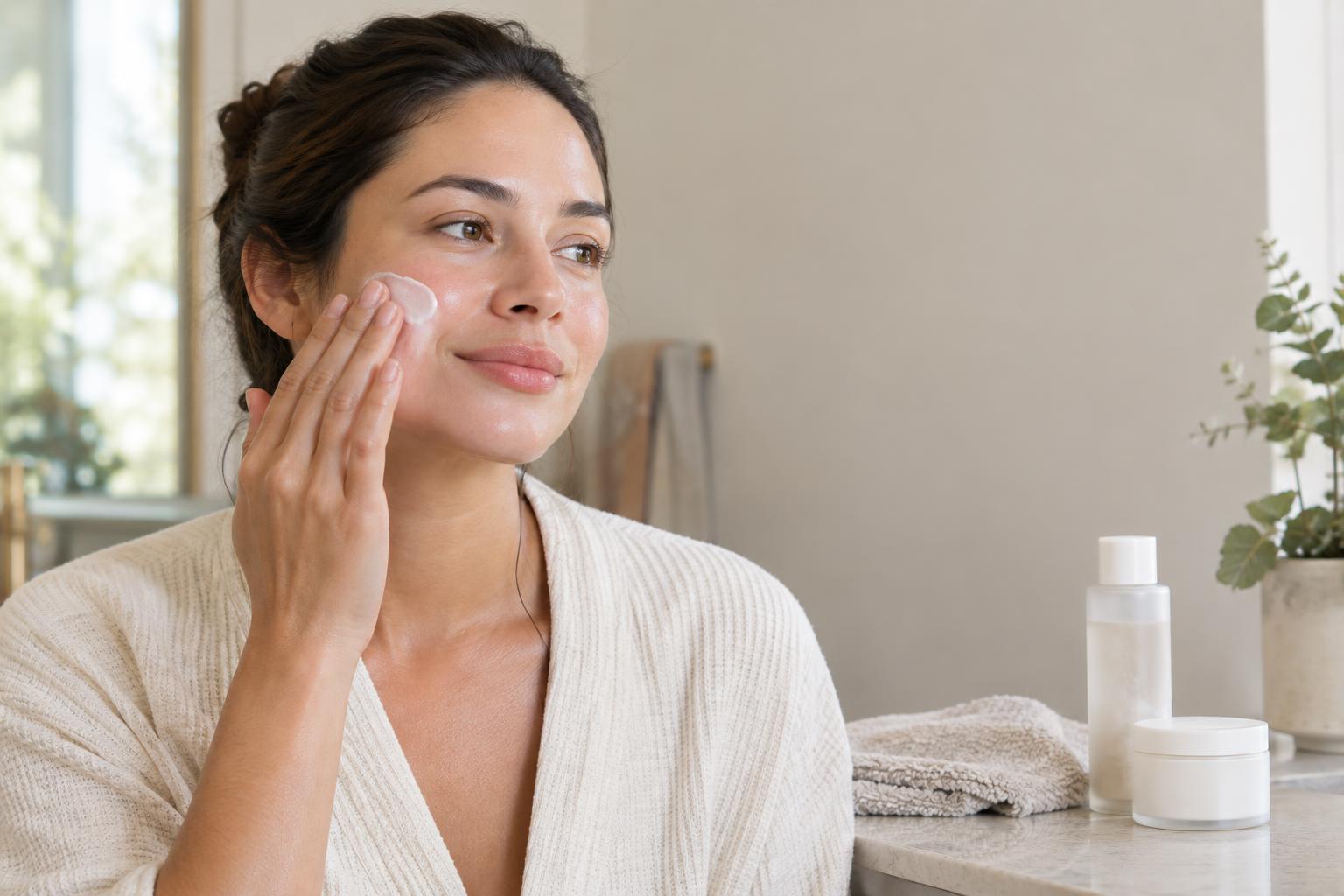
Moisturizer can help keep skin comfortable after exfoliation. During the day, use sun protection according to its label, especially when your routine includes exfoliating acids that may increase sun sensitivity. Avoid applying an exfoliant to broken or visibly irritated skin unless a qualified professional has advised you otherwise.
Give the routine time before deciding whether to change it. Surface smoothness is only one goal; comfort matters too. If an exfoliant makes your skin feel worse, switching methods or skipping exfoliation altogether is a reasonable choice. A beginner-friendly routine is one you can maintain without treating redness or discomfort as the price of results.