What a serum does in a routine
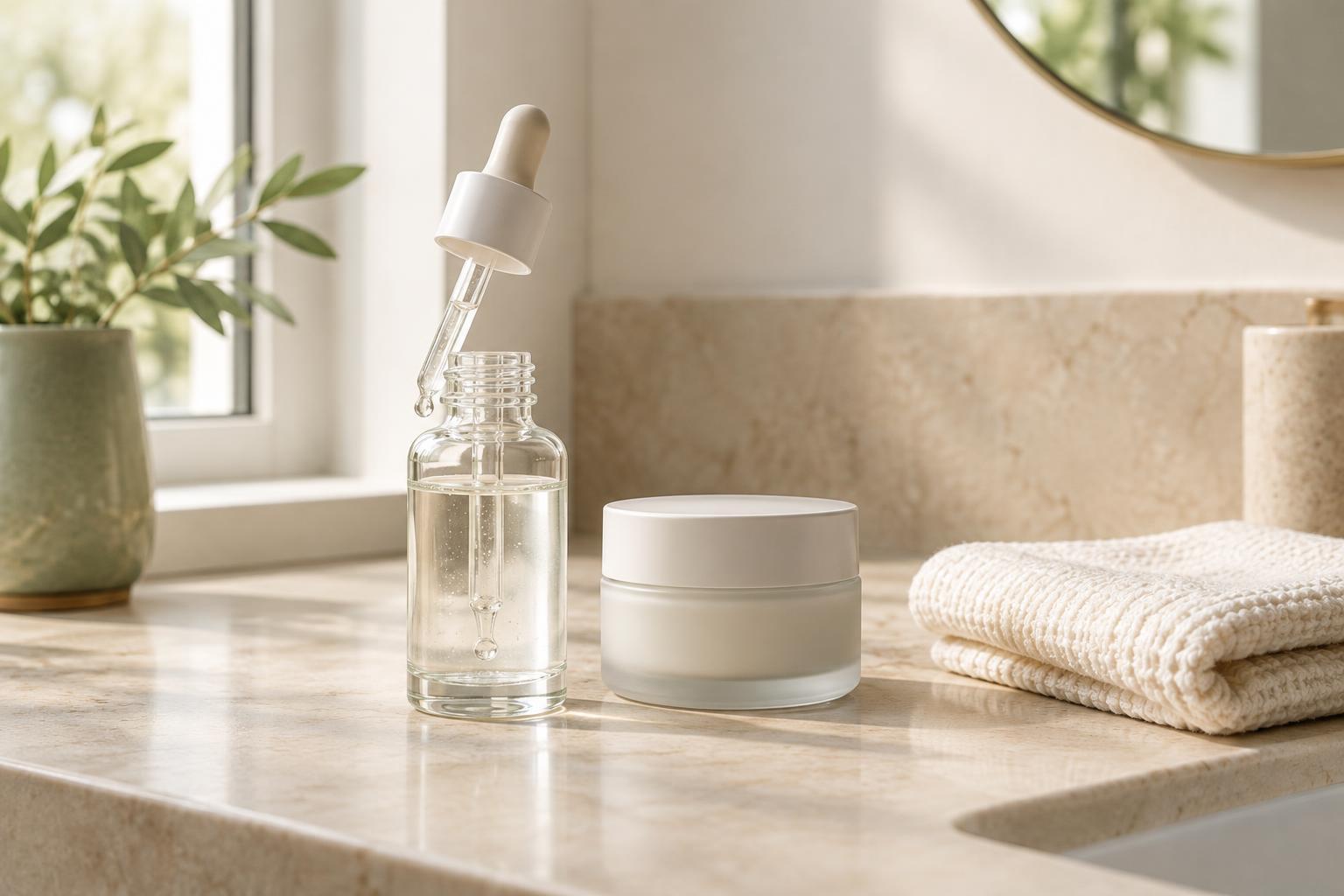
A facial serum is a leave-on skincare product often made with a lightweight texture, such as a fluid, gel, or thin lotion. It usually focuses on a particular goal, like adding hydration or improving the appearance of uneven tone. “Serum” describes a type of product, not a guarantee of strength or results: formulas with the same name can feel and perform quite differently.
A serum is optional. For many people, a straightforward routine of gentle cleansing, moisturizing, and daytime sun protection is a useful foundation. If those steps already feel comfortable, a serum can be a way to address one additional preference. It does not need to replace your moisturizer, and adding one is not automatically better than keeping your routine simple.
Start with a goal, not an ingredient trend
Before shopping, decide what you want the extra step to do. If your skin often feels tight after cleansing, a hydrating serum may be a sensible starting point. Products labeled with ingredients such as glycerin or hyaluronic acid are commonly used for this purpose. They help attract water, but you may still want a moisturizer afterward to keep your skin feeling comfortable.
If your goal is a smoother-looking texture or a more even-looking complexion, you might see serums featuring niacinamide, vitamin C, or exfoliating acids. These are broad categories, not interchangeable promises. A familiar ingredient name tells you less than the complete formula, its directions, and how your skin responds. If you are new to serums, choosing one clear goal makes it easier to tell whether the product earns a place in your routine.
Read the label for fit and ease of use
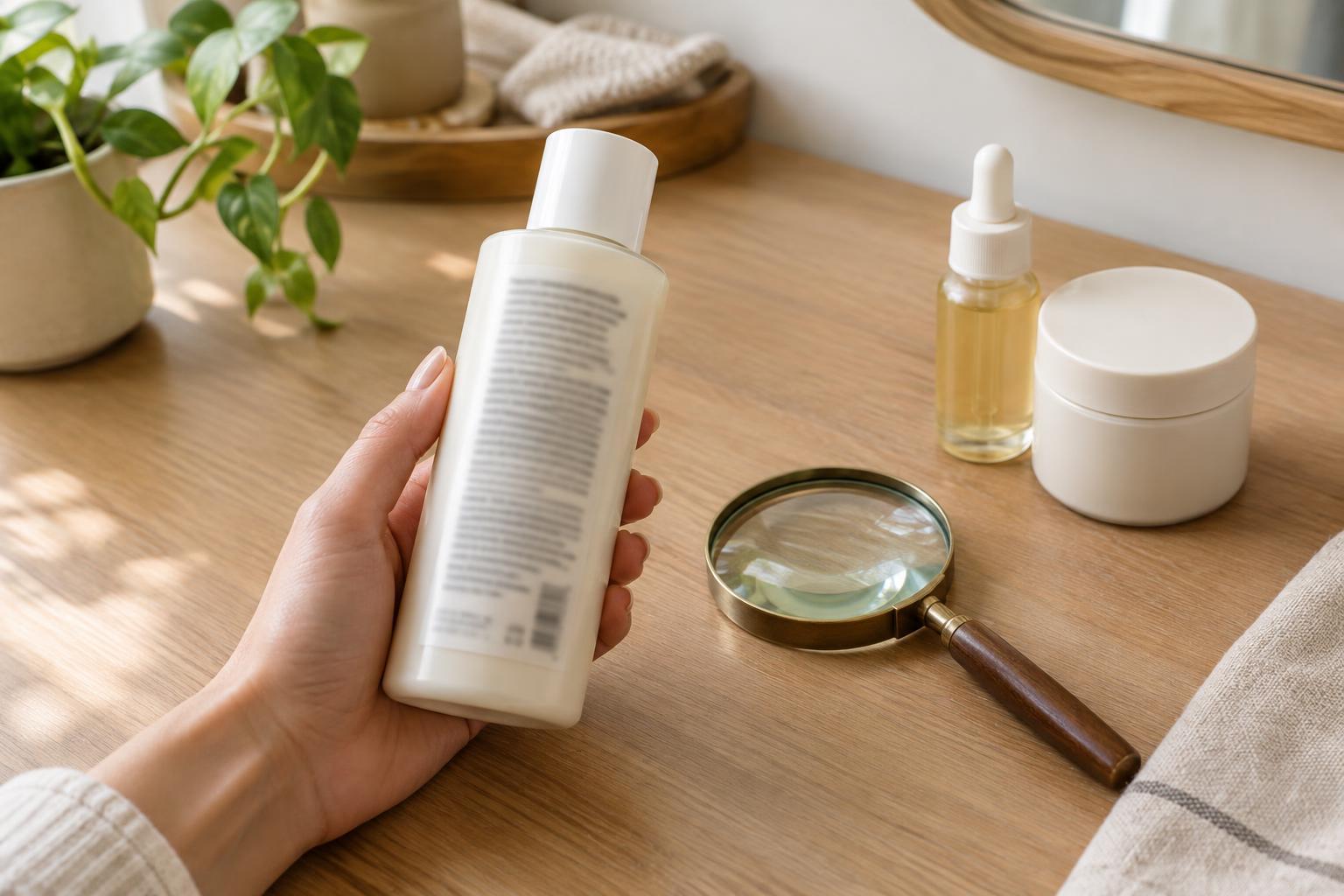
Check the product’s directions before buying. Some serums are intended for daily use, while others suggest a slower start or use only at certain times. Pay attention to whether the label recommends applying the product to dry or slightly damp skin and whether it specifies an order alongside other products. A serum that fits your existing schedule is more useful than one whose instructions you are unlikely to follow.
Texture and comfort matter too. A thin serum may sit easily under makeup; a richer one may be more pleasant when your skin feels dry. Fragrance-free can be a helpful preference if scented products bother you, though it does not guarantee that a formula will suit everyone. Packaging that is easy to dispense and close can also make consistent use less fussy. You do not need a long ingredient list or a high price to make a thoughtful choice.
Add one serum without crowding your routine
A simple order is cleanser, serum, moisturizer, then sunscreen in the morning. At night, the same order applies without the sunscreen step. Follow the specific product label when it differs, and allow each layer to settle enough that the next one feels comfortable. More product is not necessarily more helpful; use the amount directed rather than applying an extra-thick layer.
Introduce one new product at a time so it is easier to notice how your skin feels. You can try a small amount on a limited area first, particularly if your skin tends to react to new products. If a serum causes persistent stinging, marked redness, or discomfort, stop using it. Avoid stacking several strong exfoliating products simply because each has a different name; overlapping steps can make a routine harder to tolerate.
Know when the simplest choice is enough
Give a serum a fair chance within the use suggested on its label, but keep expectations grounded. Hydrating formulas may change how your skin feels relatively quickly, while visible changes to appearance can be gradual and vary from person to person. Notice everyday details: Does the product feel comfortable? Does it layer well with your moisturizer? Do you like using it regularly?
If the answer is no, you can change products or leave the serum step out altogether. A useful serum supports a routine you can maintain; it should not make skincare feel like a complicated checklist. Start with your main goal, choose a formula you can use as directed, and let comfort guide whether it stays.