What texture can tell you
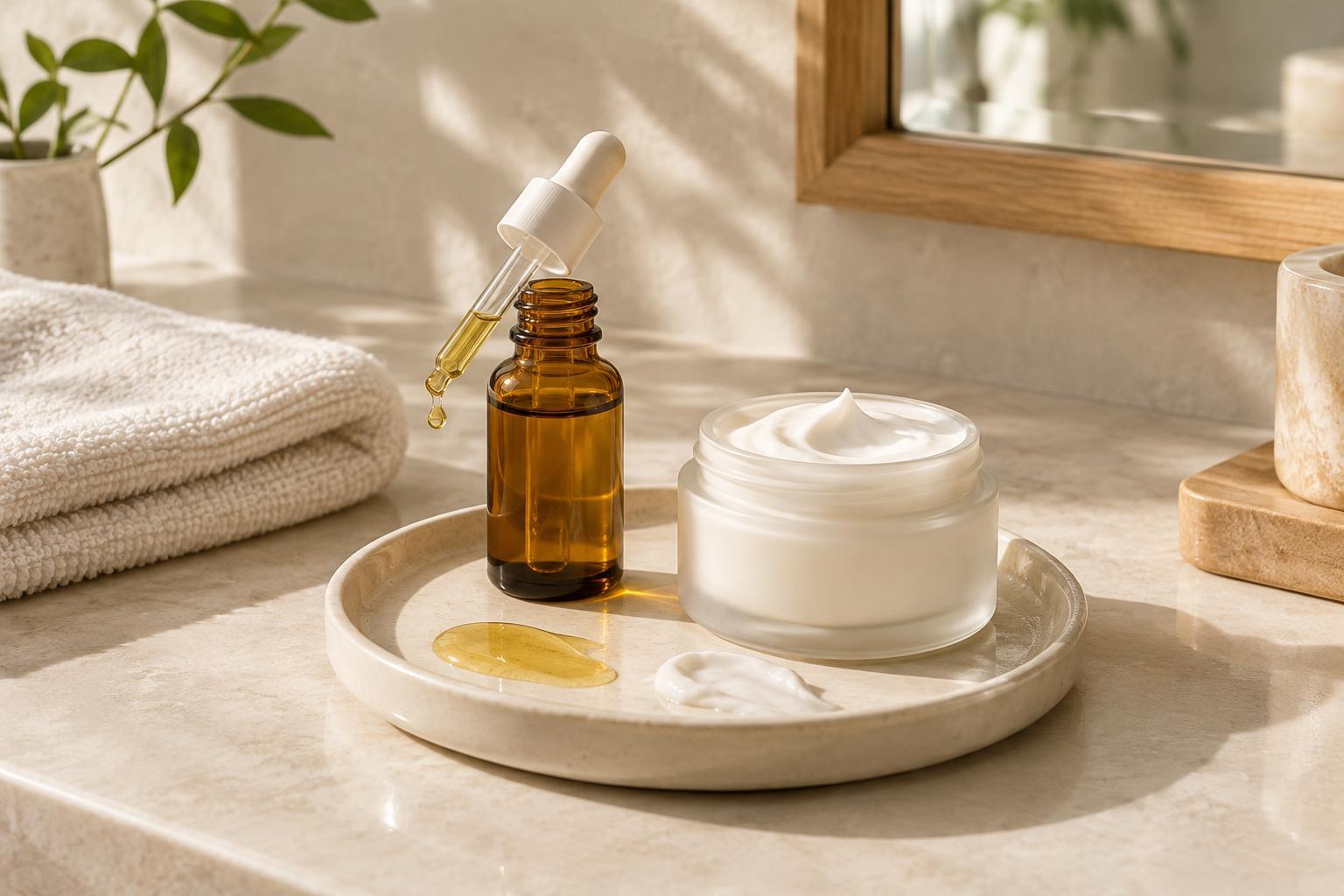
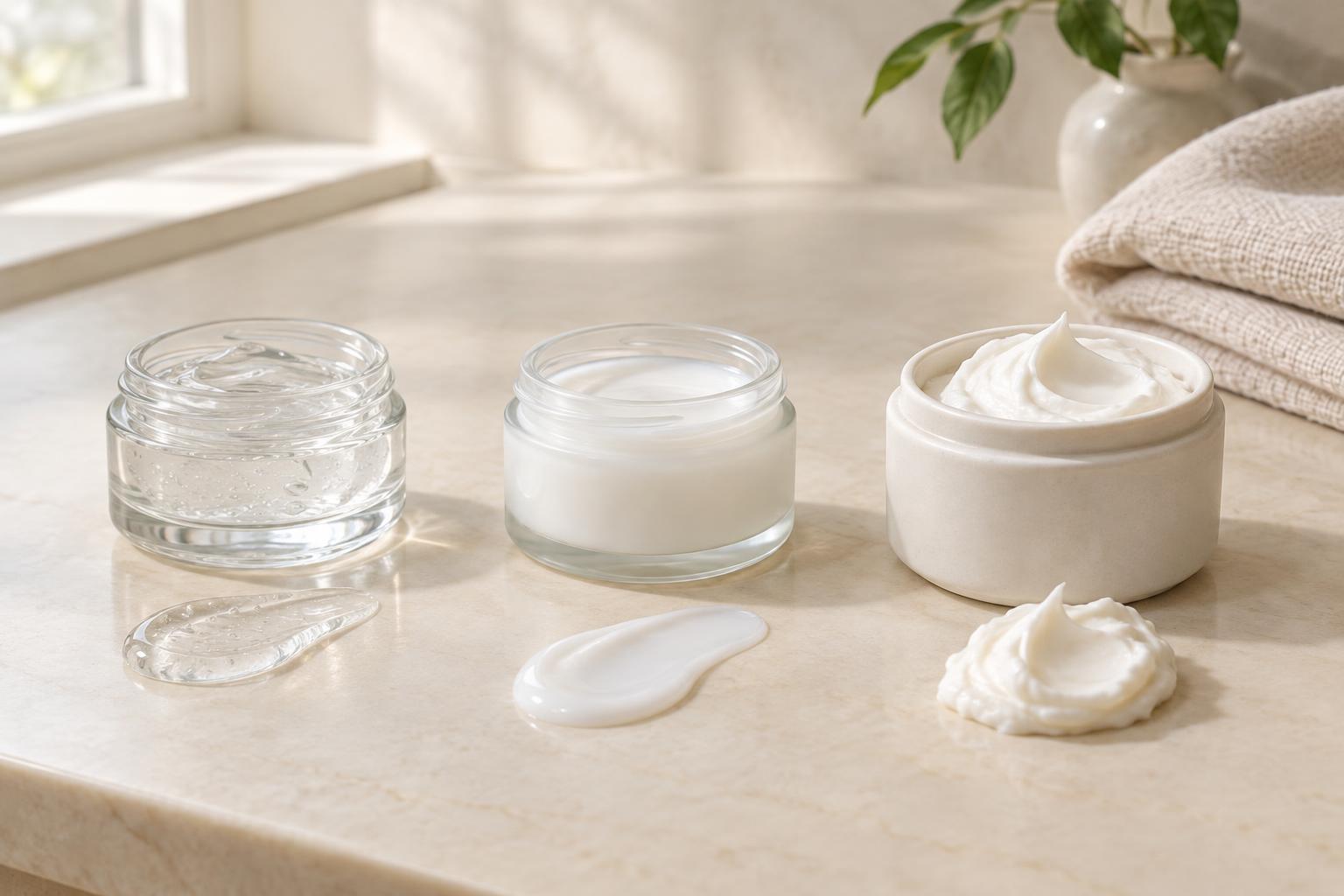
Moisturizers help skin feel comfortable by combining ingredients that attract water, soften the surface and reduce moisture loss. Gel, lotion and cream are useful descriptions of texture, but they are not strict formulas. A gel can contain softening ingredients, and a cream does not have to feel heavy. Two products with the same label may leave very different finishes.
Think of texture as a starting point rather than a promise. Consider how a product feels while you spread it, whether it leaves a finish you enjoy, and how it sits alongside sunscreen or makeup. The best choice is one you will use comfortably and consistently.
Gel: light and quick to spread
Gel moisturizers often feel cool, slippery or watery and tend to spread easily in a thin layer. They may appeal to people who dislike a rich finish, especially in warm weather or under makeup. Some dry down with very little noticeable residue; others leave a slightly tacky feel. Neither result is universal, so the label alone cannot tell you exactly what to expect.
If your skin feels tight again soon after applying a gel, its finish may be lighter than you prefer. You could try a more generous application, choose a gel with a different feel, or move to a lotion. A lightweight texture can be pleasant without being sufficient for every person or every season.
Lotion: a flexible middle ground
Lotions usually have a fluid, milky texture that is easy to spread. Many feel more cushioning than a gel but less substantial than a cream. That balance can make a lotion a practical first choice if you are unsure what you like, or if you want one moisturizer that fits both a simple morning routine and an evening routine.
Pay attention to the finish rather than assuming all lotions are interchangeable. One might absorb to a barely noticeable feel, while another leaves a soft sheen. If you prefer a lighter layer in the morning, try using less product and spreading it evenly instead of buying a second moisturizer immediately. If that leaves your skin uncomfortable, a different formula may suit you better.
Cream: more cushion when you want it
Creams commonly feel thicker and more enveloping than gels or lotions. A richer cream may be appealing when skin feels dry or when indoor air makes your usual routine feel less comfortable. Cream can also be useful on areas that tend to feel rougher, such as the cheeks, without requiring you to apply the same amount everywhere.
Thicker does not automatically mean better. Some creams settle comfortably; others feel too noticeable, particularly under sunscreen or makeup. Start with a small amount and add more where needed. If a cream rolls into little bits when you layer products, let each layer settle, use less, or try a different pairing. That reaction does not, by itself, tell you whether the moisturizer is working.
Make the choice fit your routine
Use your skin’s day-to-day feel as a guide. If you enjoy a light finish and your skin remains comfortable, a gel may be enough. If you want an adaptable everyday texture, begin with a lotion. If you prefer a more protective-feeling layer, explore creams. Preferences can change with weather, cleansing habits and the other products you use; you do not have to commit to one category year-round.
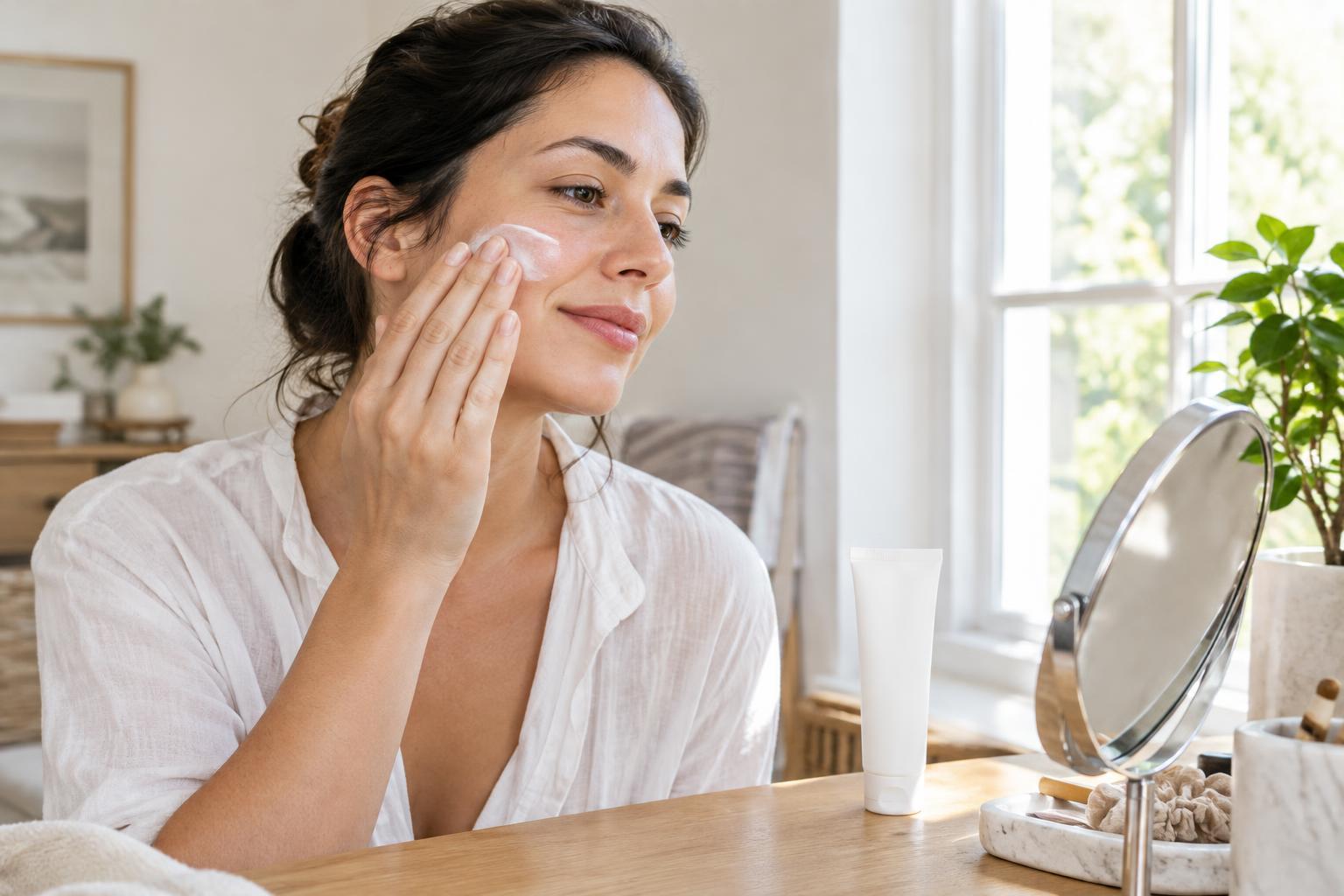
Apply moisturizer to clean skin, then notice how it feels after it has had time to settle. In a morning routine, follow with sunscreen rather than treating moisturizer as a substitute, unless your moisturizer is itself a sunscreen used as directed. If your skin is easily irritated, introduce one new product at a time and stop using it if it causes persistent discomfort. Choosing a texture is less about finding the richest or lightest option and more about finding a finish that makes your routine easy to maintain.