The difference in one sentence
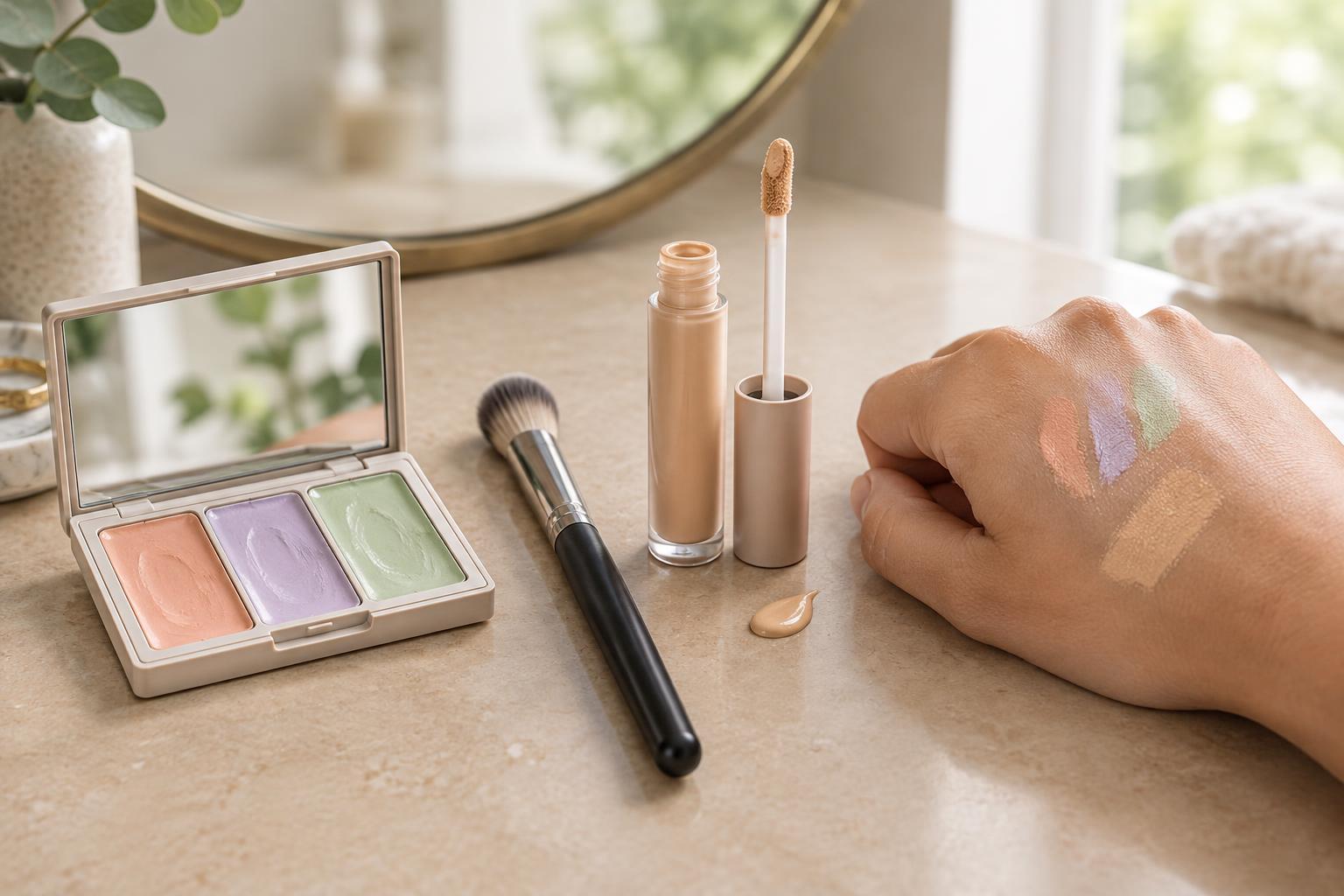
Color corrector is used to visually balance a particular color in the skin; concealer is used to make an area look more even with the surrounding complexion. A corrector might soften the look of a blue-toned under-eye shadow, while a skin-toned concealer helps that area blend in. You can use either product alone, both together, or neither, depending on the result you want.
The distinction matters because adding more concealer does not always solve visible discoloration. A thick layer of pale concealer over a dark shadow, for example, may look gray rather than bright. A small amount of suitable corrector underneath may let you use less concealer. On the other hand, if your usual concealer already gives you the finish you like, there is no need to add a correcting step.
Choose a corrector by the color you want to soften
Correctors are often described using contrasting colors: peach or orange for the look of blue or purple shadows, green for redness, and lavender for a yellowish or sallow appearance. These are starting points, not rules. The depth of the corrector matters as much as its color. A light peach may suit a subtle shadow on lighter skin, while a deeper peach or orange may show up more effectively on deeper skin tones. A corrector that is too light, bright or saturated can remain visible through makeup.
Look at the specific area in natural light before choosing a shade. An under-eye shadow, for instance, may be more brown than blue, or the darkness may come partly from a crease that makeup cannot visually flatten. If you are unsure, try a tiny amount on one side of your face and compare it with concealer alone on the other. The better choice is the one that gives you the finish you prefer with less product.
Choose concealer for the finish you want
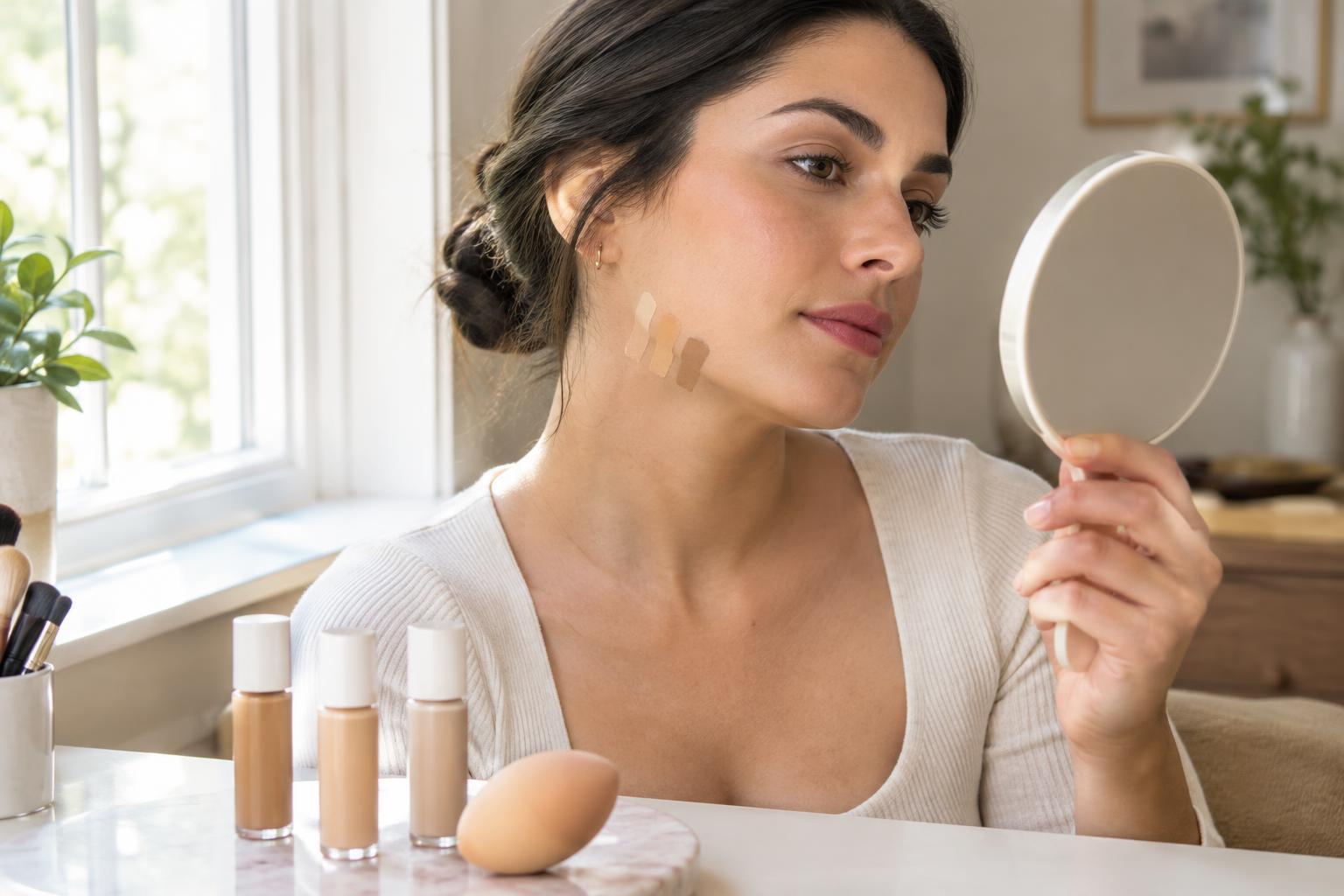
Concealer comes in shades intended to resemble skin, rather than visibly contrast with discoloration. For a small spot or patch you want to blend into the rest of your face, a close match to your skin or foundation is usually the easiest place to start. For under the eyes, some people prefer a slightly lighter shade for a brighter look, but going much lighter can draw attention to texture or make remaining darkness appear ashy.
Coverage and texture also affect the result. A fuller-coverage concealer may need only a pin-sized amount on a small area. A more flexible formula may be easier to spread over a broader area without looking heavy. If the skin around your eyes is prone to dryness, applying a comfortable moisturizer first and allowing it to settle can help makeup sit more evenly. Choose products by how they look and feel on your skin, not by the idea that every concern needs maximum coverage.
How to layer them without overdoing it
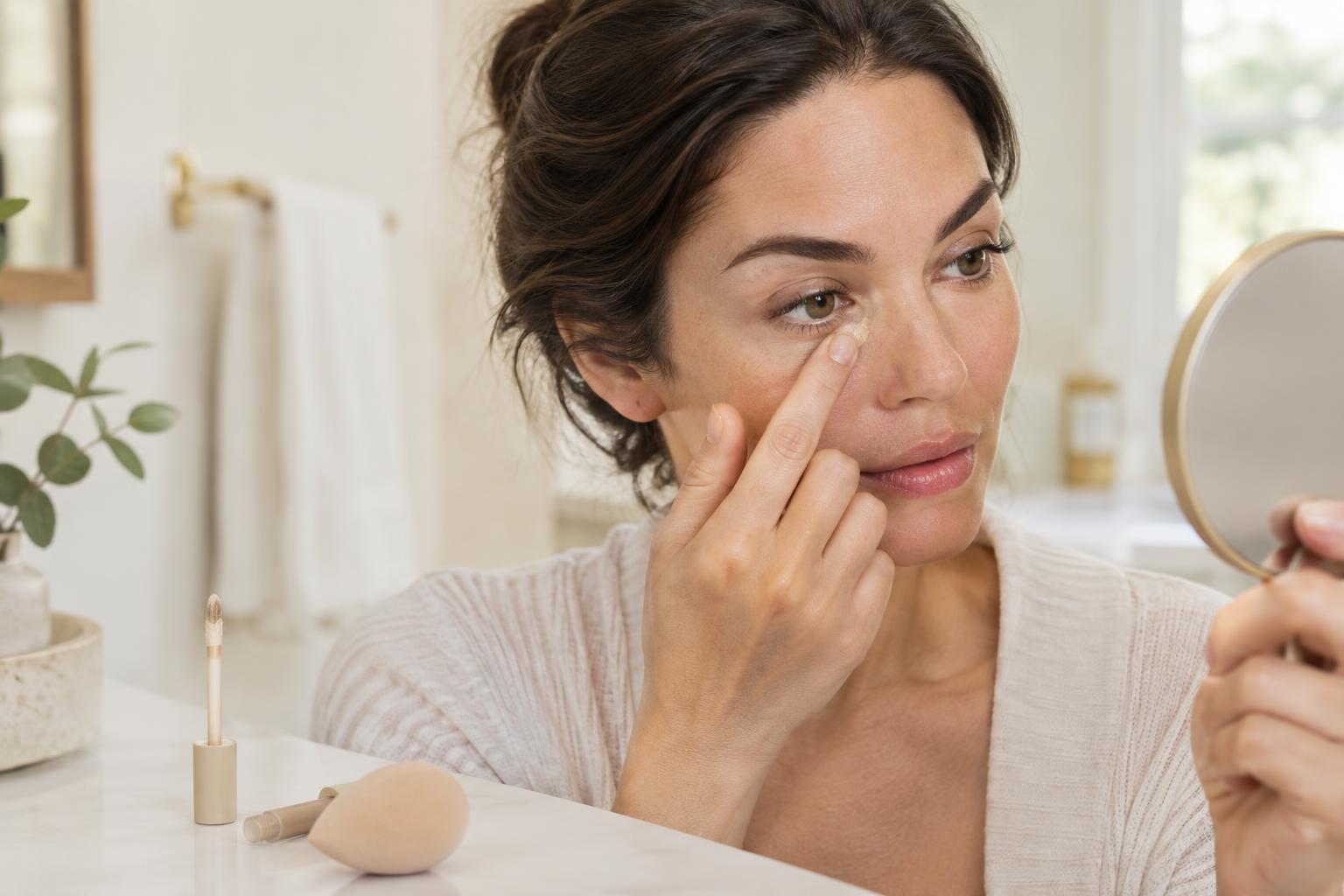
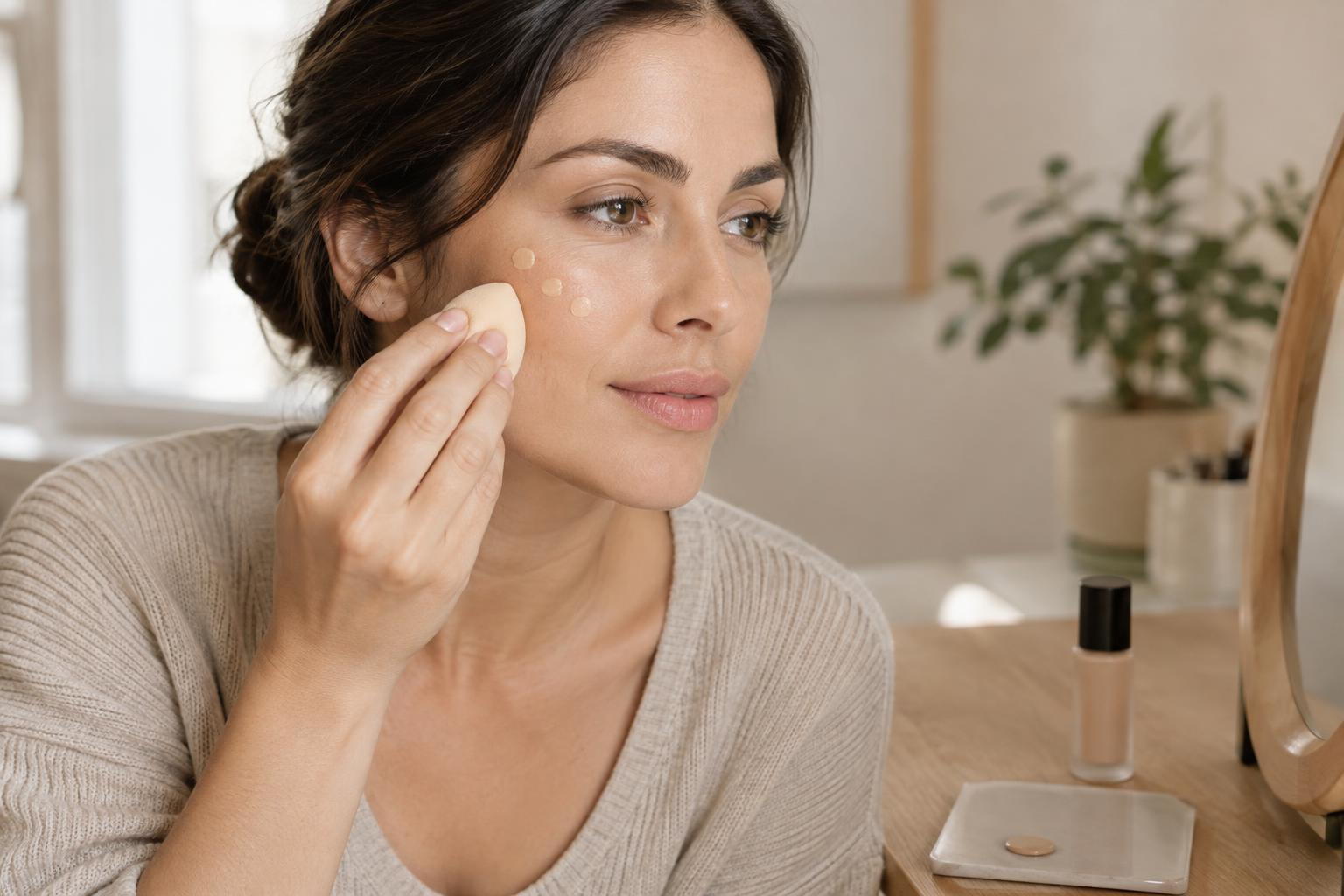
Start with your usual skin preparation and let any moisturizer or sunscreen settle. If you wear foundation, you can apply it before assessing where extra coverage is needed. Tap a very thin layer of corrector only onto the discolored area, keeping it within the edges of the shadow or redness. Blend the edges gently with a fingertip, small brush or sponge; avoid spreading the color across a much larger area.
Next, tap on a small amount of concealer and blend its edges into the surrounding skin. Try not to rub away the corrector underneath. Give each layer a moment to settle before adding more. If you use powder, place a light amount only where makeup tends to crease or move. Too much powder can emphasize dryness, so it is fine to skip it if the layers already stay comfortable.
When one product is enough
For mild, scattered unevenness, concealer alone may be the simplest option. For a noticeable patch of redness or an under-eye shadow that still shows through concealer, a targeted corrector may help. You might also use a subtle corrector on its own when you want a sheer, less-polished look, provided its color blends comfortably with your skin.
If the finished area looks orange, green or lavender, use less corrector or try a softer shade. If it looks gray, reconsider both the corrector shade and the concealer layered over it. If it looks cakey, remove a little product rather than adding another layer. The goal is not to cover every variation in your skin: it is to use the fewest steps that give you a result you enjoy.