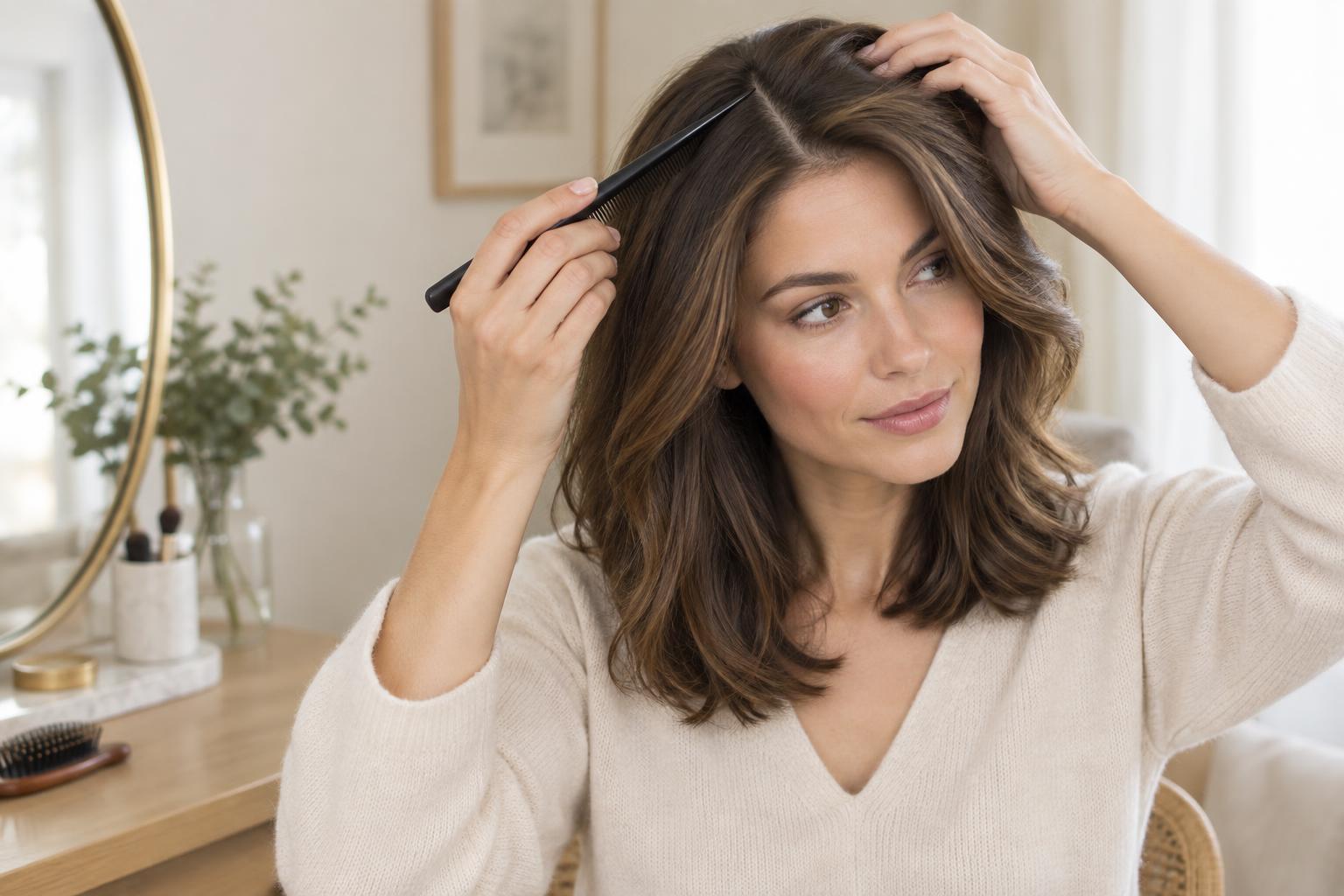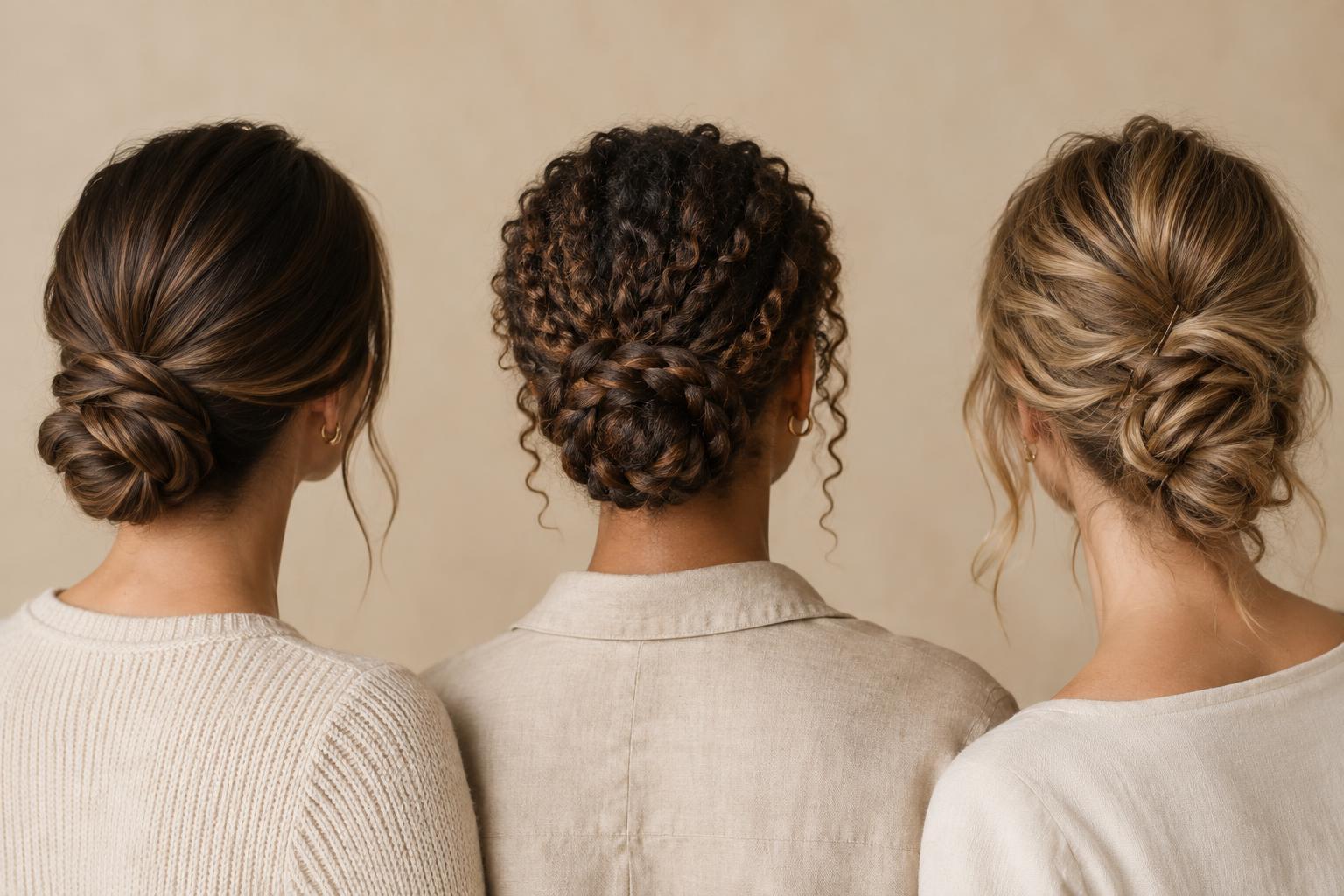
Starting before hair is ready
One common mistake is using a flat iron or curling iron while hair is still damp. If a tool is intended for dry hair, wait until your hair is fully dry before using it. Otherwise, you may need repeated passes to get the shape you want, and the result can feel rough rather than smooth. Follow the instructions for your particular tool, since some styling tools are designed specifically for damp hair.
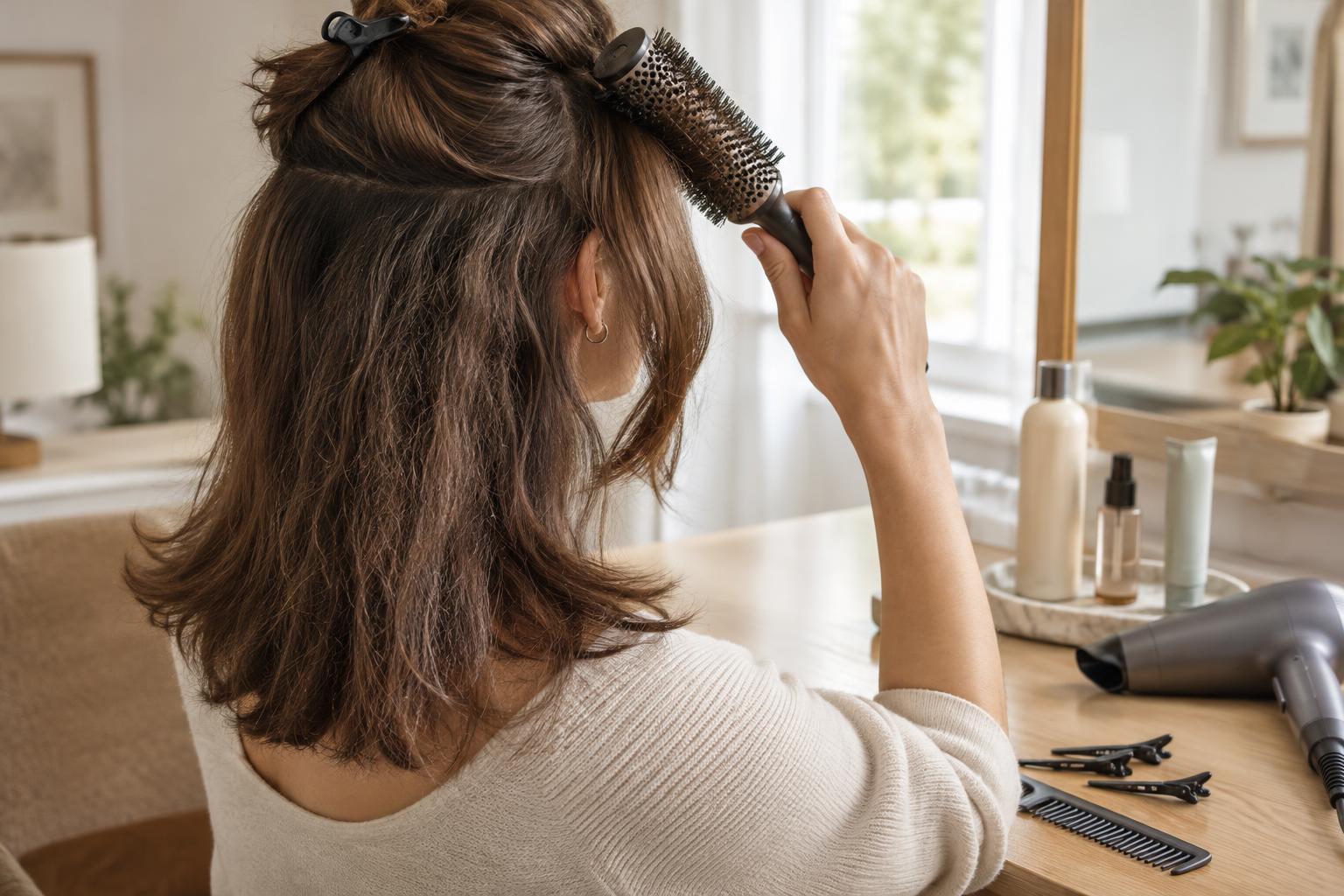
The blow-drying stage matters, too. Directing a dryer at random sections until everything feels dry can leave the roots flat and the lengths untidy. Gently remove excess water with a towel, then dry the roots while lifting them away from the scalp if volume is your goal. As the hair gets drier, aim the airflow down the lengths and work in sections. This gives you more control over the shape before you reach for a finishing tool.
Turning up the heat instead of adjusting the technique
A higher setting is not always a faster route to a polished style. If hair looks dull or feels rough after styling, try a lower setting that still allows you to shape it effectively. The right setting depends on the tool, your hair and the result you want; the aim is to avoid more heat than you need. Keep a flat iron or curling iron moving as directed rather than holding it on one spot for extra time.
Repeatedly going over the same strand can also work against you. Before increasing the heat, check whether the section is small enough for the tool to reach evenly. A crowded flat iron or an overloaded curling iron may leave some hairs barely shaped while others receive several passes. A heat-protectant product can be part of your routine when its directions suit your tool, but it is not a reason to use unlimited heat.
Taking sections that are too large—or losing the roots
Large sections may seem efficient, but they can hide damp spots and make it harder to create a consistent finish. Divide hair into manageable layers, then take sections that fit comfortably on your brush or styling tool. You do not need perfectly measured pieces: if the hair slips off the brush or bunches in the iron, take less at a time.
For a fuller look, pay attention to where the section begins. Smoothing the lengths while leaving the roots pressed close to the head can produce sleek ends and a flat top. Lift a section at its base as you dry it, or change the direction in which you hold the brush. If you prefer a smooth style rather than height, keep the roots controlled without pulling every section tightly downward. Small changes in direction can make the finished shape look more intentional.
Using products in an order that weighs hair down
Product choice and placement can affect how long a style holds its shape. Applying a generous amount of cream or oil near the roots may reduce the lift you just created, especially if your hair is easily weighed down. Start with a modest amount, spread it evenly, and concentrate richer products on the areas that need smoothing. Check product directions for whether they belong on damp or dry hair and whether they are suitable before heat styling.
The opposite approach—using no product and then trying to fix flyaways with repeated heat passes—can leave a finish that looks less tidy. Consider what each step is meant to do. A lightweight styling product may help with shape; a finishing product may help smooth the surface. Add either gradually, since it is easier to apply a little more than to remove too much without washing your hair.
Touching the style before it cools
Hair can lose its new shape if you brush out a curl or pull a freshly blow-dried section flat while it is still warm. After shaping a section, let it cool before separating or arranging it. For curls or waves, resist running your fingers through them immediately. For volume, allow lifted roots to settle in their raised position before adjusting the part or smoothing the top.
Finish with a light hand. Vigorous brushing may soften a style more than you intended, while constant touching can disturb smooth sections. Look at the whole shape first, then make small adjustments where needed. If a hairstyle repeatedly turns out flat or rough, change one part of the routine at a time—such as section size, product amount or heat setting—so you can tell what helps.