What single and double cleansing mean
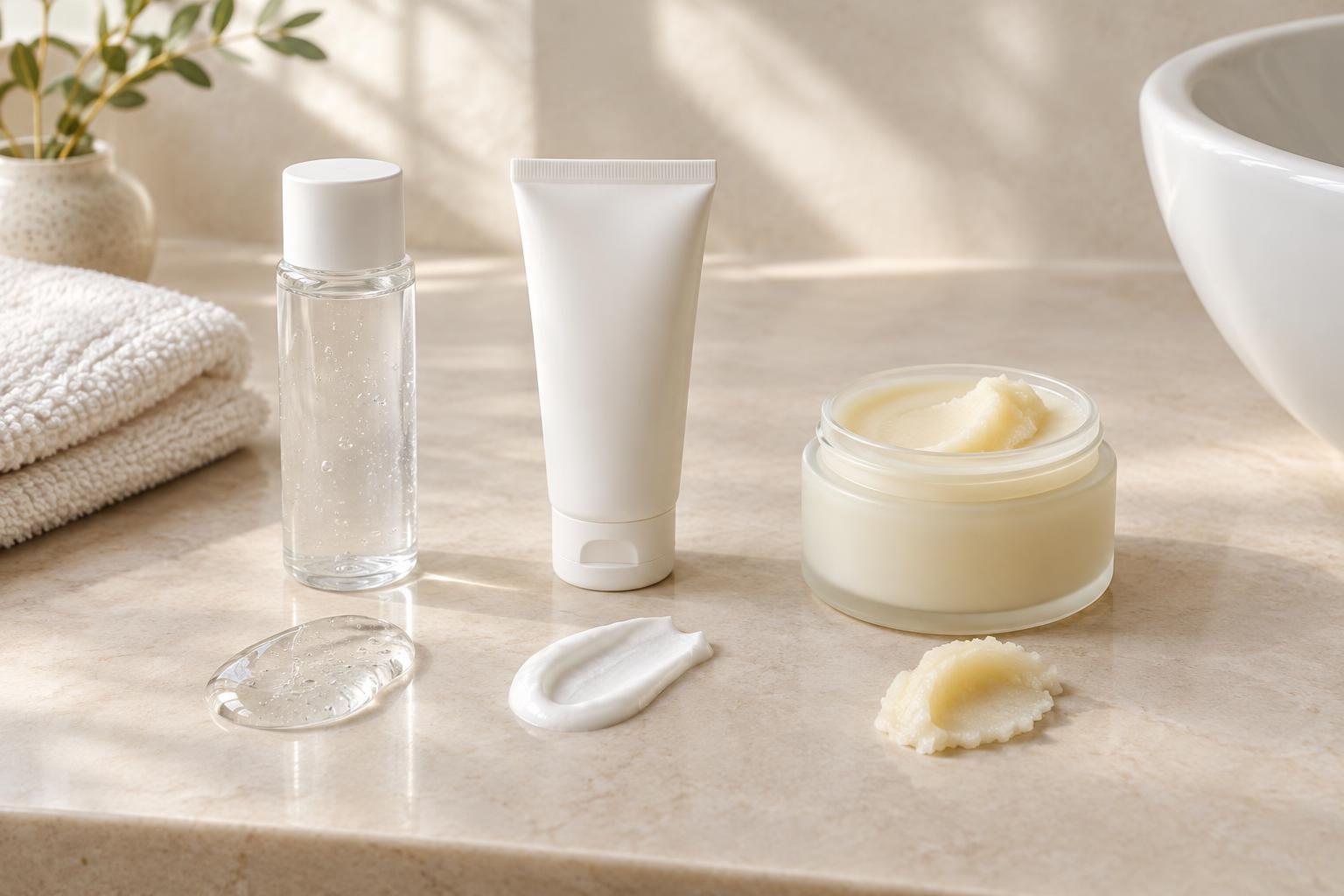
Single cleansing means washing your face once with a cleanser suited to your skin and what you need to remove. Double cleansing means using two cleansing steps in sequence: typically an oil-based cleanser or balm first, followed by a water-based cleanser such as a gel, cream or foam. The first step helps loosen makeup, sunscreen and other products; the second washes away remaining residue.
Neither method is automatically better. The useful question is whether your usual wash removes the products on your face without leaving your skin feeling uncomfortable. A gentle cleanser that does the job in one pass is a complete routine. Double cleansing is an option for days when removal takes more effort, not a rule to follow every morning and night.
When one cleanse is likely enough
If you have worn little or no makeup and your cleanser removes your daily products easily, one wash may be all you need. This can be especially appealing in the morning, when you may simply want to rinse or gently wash away the feel of overnight skincare. Your choice can also depend on how your skin feels; there is no need to add a second wash just to meet a routine checklist.
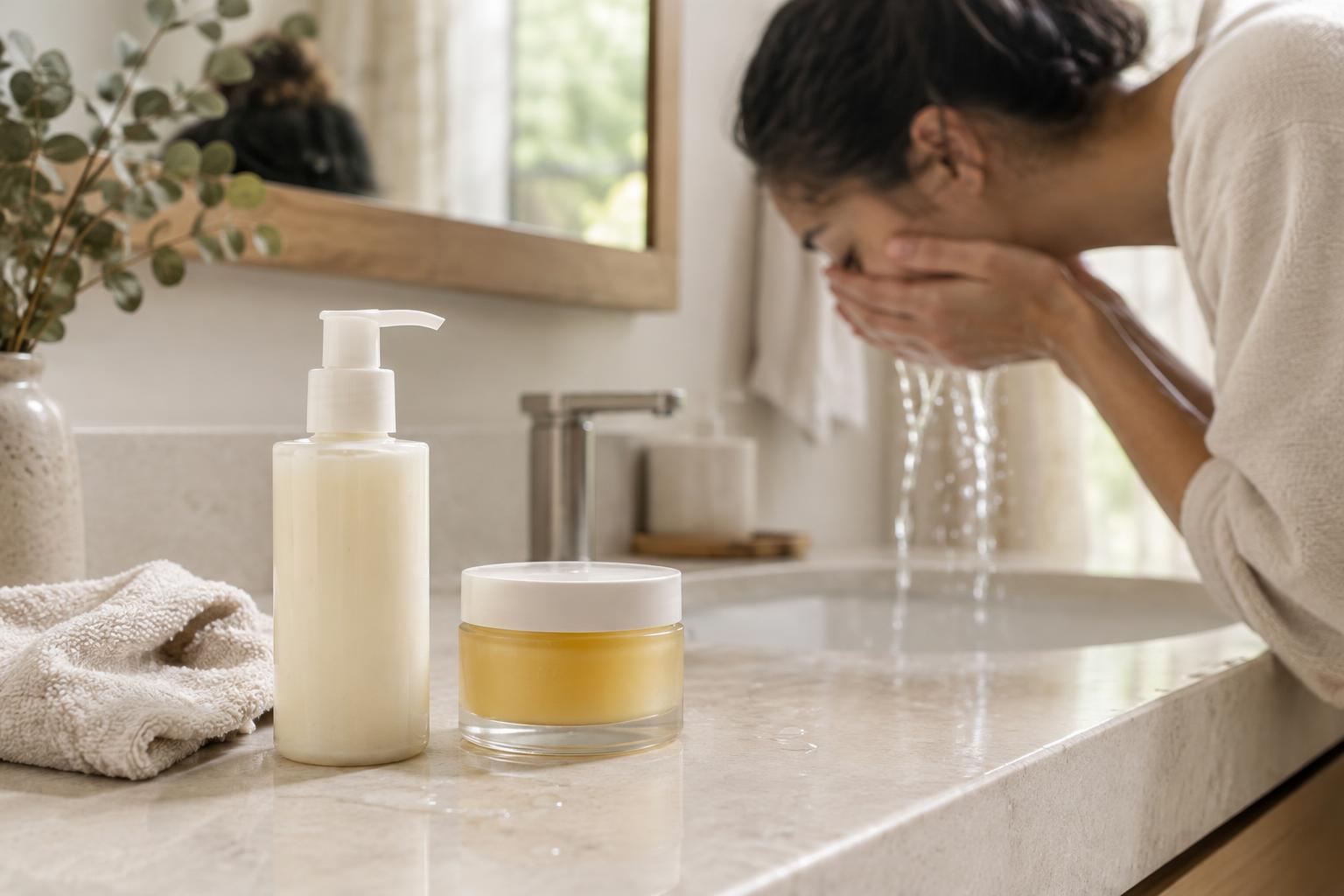
To get the most from a single cleanse, follow the product’s directions, use lukewarm rather than hot water, and work the cleanser gently across areas where products tend to remain, such as the hairline and sides of the nose. Rinse thoroughly and pat dry. If a little makeup is left behind, consider whether you need a more suitable remover rather than scrubbing harder or repeatedly washing your whole face.
When a second step can earn its place
Double cleansing can be useful after long-wearing foundation, layered makeup or water-resistant sunscreen. These products may be slow to remove with a mild water-based cleanser alone. Starting with a balm or oil can make the process less dependent on rubbing. Massage it gently according to its instructions, paying attention to where product was applied, then rinse or wipe it off as directed before using a gentle second cleanser.
The first cleanser does not have to be an oil if that format does not suit you. A makeup remover or micellar water may serve as a targeted first step, provided you use it as directed and follow with a wash if needed. For stubborn eye or lip products, a remover made for those areas may be more practical than cleansing your entire face twice. Keep remover away from the eyes unless its label says it is suitable for that use.
Keep the extra step gentle
More cleansing is not always more comfortable. Tightness, stinging or a persistently dry feeling after washing can be signs that your routine is too much for your skin, although products and other factors may also play a part. Try shortening the routine, using less friction or choosing a milder cleanser. A second cleanse should clear away residue, not leave your face feeling stripped.
Avoid using rough cloths or vigorous scrubbing to make double cleansing feel more effective. If you use a washcloth, keep it soft and use a light touch. You may also find that a balm takes a little more rinsing than a gel, so check the product directions and give yourself time to rinse along the jaw and hairline. Follow cleansing with your usual moisturizer if your skin benefits from one.
Choose by the day, not by a fixed rule
A flexible approach is often the simplest: use one gentle cleanse on lighter-product days and add a removal step when makeup or sunscreen proves harder to wash off. You can check your routine by noticing whether visible product remains, whether your skin feels comfortable afterward and whether you find yourself rubbing to get clean. Adjust the method before adding more products.
If a cleanser repeatedly causes discomfort, stop using it and consider a different formula. If irritation is persistent or significant, seek guidance from a qualified professional rather than trying to cleanse through it. The aim is straightforward: remove what needs removing while keeping the process comfortable enough to repeat.