Start with what exfoliation does
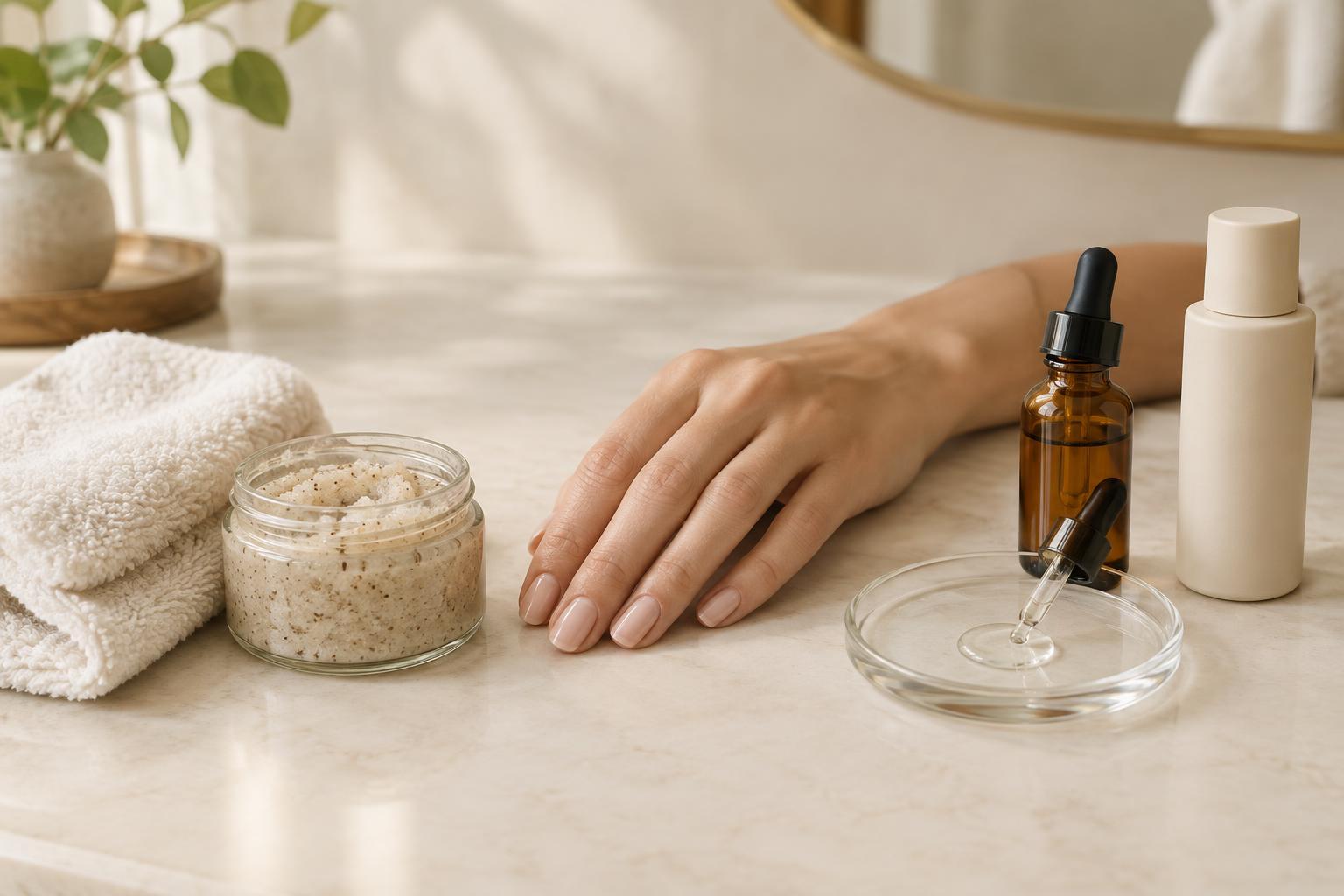
Exfoliation helps remove some of the dead skin cells at the surface of your skin. A physical exfoliant uses friction, such as a scrub or textured cloth. A chemical exfoliant uses ingredients such as alpha hydroxy acids (AHAs) or beta hydroxy acids (BHAs). Neither type is automatically gentler: the product, how you use it, and how your skin responds all matter.
The most common mistake is treating exfoliation as a required daily step. Skin does not need to feel scrubbed clean to be cared for, and a smoother feel immediately afterward does not necessarily mean a product suits your routine. Think of exfoliation as an optional addition to a basic routine of cleansing, moisturizing, and daytime sun protection.
Mistake 1: Using too much, too often
It is easy to overdo exfoliation when a product promises a quick change in texture. Using a scrub vigorously, leaving an exfoliating product on longer than its directions say, or adding another exfoliating step the next day can make a routine harder to tolerate. Dryness, stinging, or a tight feeling may be signs that your approach is too much for your skin.
Start with one exfoliating product and follow its label. If it is new to you, use it less often than you think you need to at first, then pay attention to how your skin feels over the following days. There is no universal schedule that works for everyone. If your skin feels uncomfortable, pause exfoliation and keep the rest of your routine simple while it settles.
Mistake 2: Accidentally stacking exfoliants
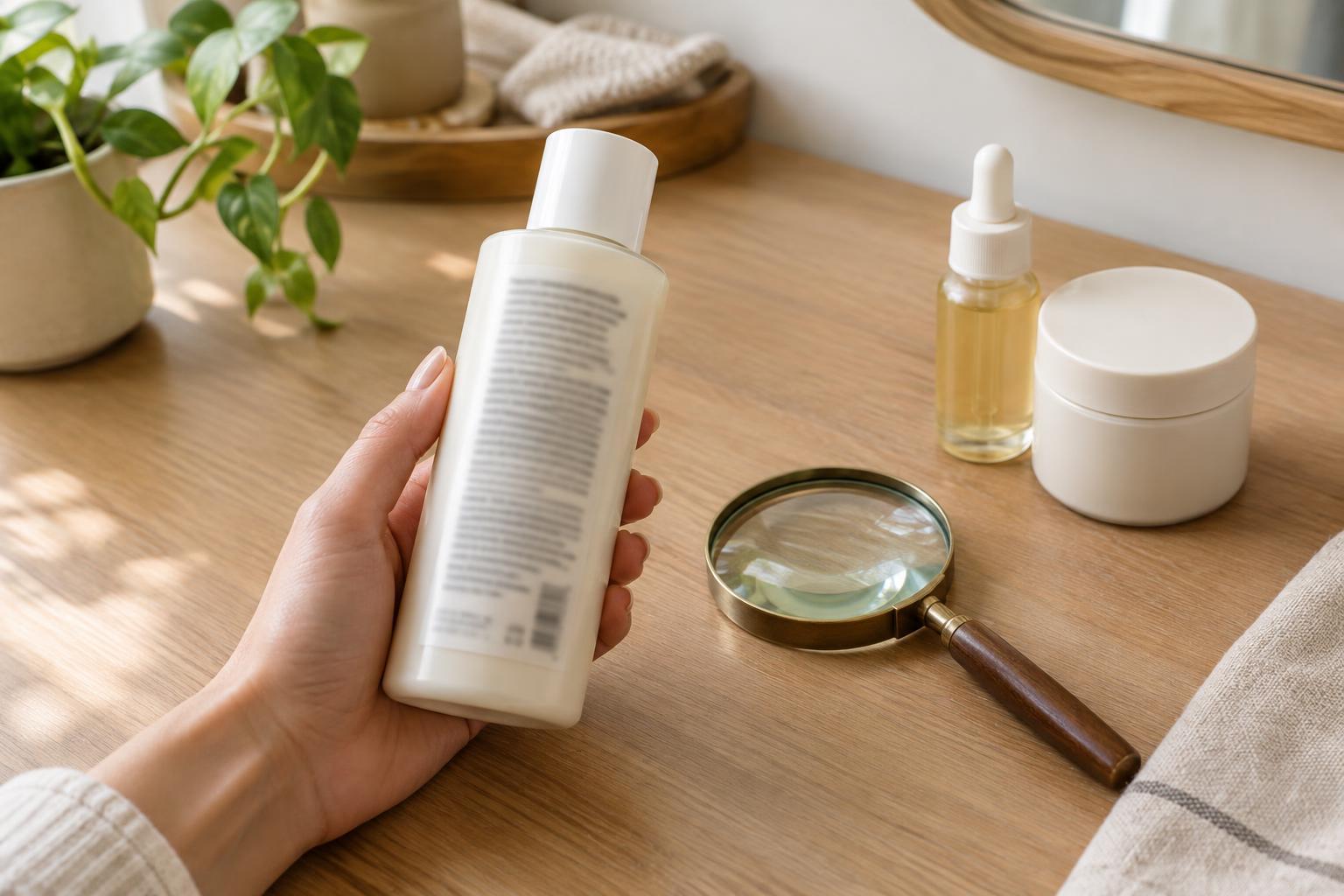
Your exfoliating step may be hiding in a cleanser, toner, serum, peel pad, mask, or even a product described mainly as “brightening.” Check ingredient lists and directions before combining products, especially if they contain AHAs, BHAs, or exfoliating particles. Using several at once makes it difficult to tell which product is helping and which might be causing discomfort.
A simpler approach is to choose one exfoliant for a clear purpose. If you prefer the feel of a wash-off scrub, use a light touch rather than pressing harder for faster results. If you prefer a leave-on acid product, follow its directions instead of pairing it with a scrub in the same routine. You can always reconsider the choice later; you do not need a collection of exfoliants to build an effective basic routine.
Mistake 3: Ignoring the rest of the routine
Exfoliation does not happen in isolation. A strongly fragranced cleanser, repeated washing, or several new products introduced together can make it difficult to understand why skin feels uncomfortable. When trying an exfoliant, keep your cleanser and moisturizer familiar if possible. Apply moisturizer as part of your usual routine, and avoid rubbing your skin aggressively with a towel or cloth.
Pay attention to daytime sun protection as well. Some exfoliating products can increase sensitivity to sunlight; read the product label for its specific precautions. A gentle routine is not just about choosing a mild exfoliant. It also means making the surrounding steps easy to repeat without leaving your skin feeling stripped.
Mistake 4: Pushing through discomfort
A brief sensation is sometimes described on exfoliating product labels, but persistent burning, marked redness, or ongoing discomfort should not be treated as proof that a product is working. Stop using a product that causes a strong or lasting reaction. Do not try to balance it out by adding more active products.
To make future choices easier, introduce only one new exfoliant at a time and consider trying it on a small area first, according to the label directions. Note what you used and how your skin responded before changing the routine again. If irritation is severe or does not settle, seek guidance from a qualified healthcare professional rather than continuing to experiment.
The gentlest routine is one you can adjust. Exfoliate only if you find it useful, use products as directed, and leave enough space between changes to notice what your skin is telling you.